


Northern Italy packs in more blockbuster cities and landscapes than many whole countries, which makes one decision surprisingly hard: where to base yourself. With limited days, you do not want to lose hours each morning changing hotels or sitting on the wrong train. Choosing the right hub for your style of trip, whether that is lake views and lazy ferries or fast trains and fashion districts, can turn a good itinerary into a great one.
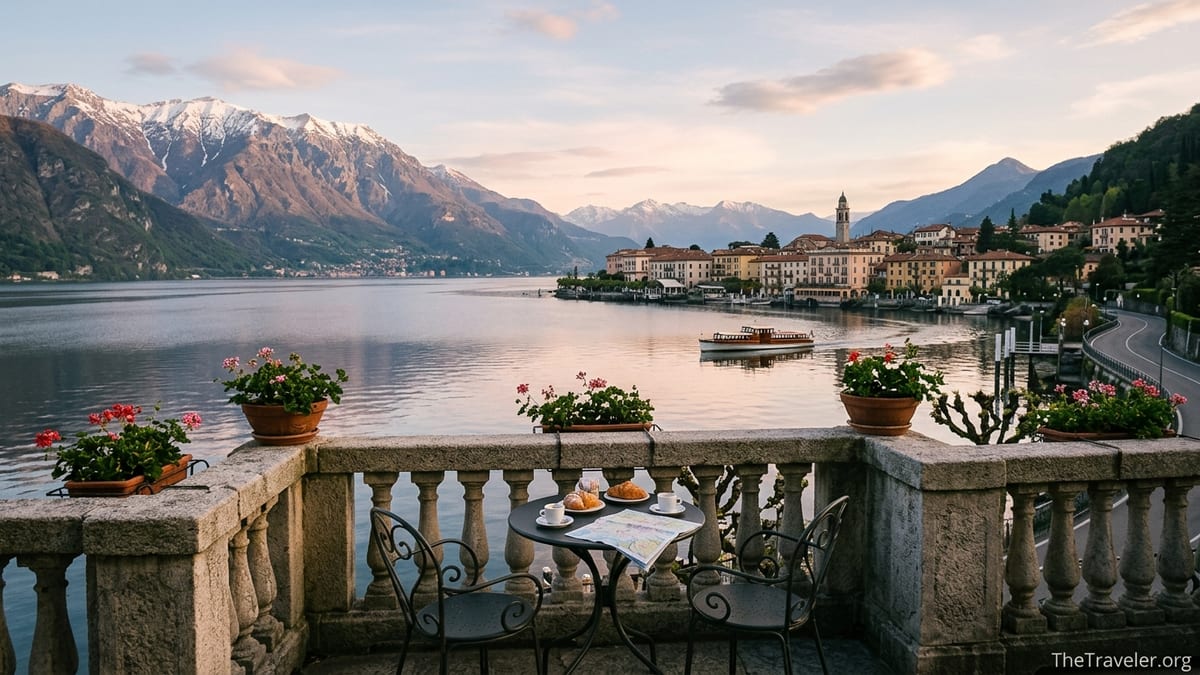
How to Choose Your Northern Italy Base
Think first about how you want to move around. If you plan to rely on trains, it makes sense to base in cities or towns with direct rail connections, such as Milan, Verona or Varenna on Lake Como, which sits on the Lecco to Tirano line and allows you to step off the train and walk to lakefront hotels in under ten minutes. If you are renting a car to explore the Dolomites or the smaller lakes, you will have far more choice of villages but will also need to factor in parking, ZTL restricted zones and mountain driving times.
Budget has a clear impact too. In peak season, central Venice and Lake Como can see simple doubles in three star hotels from around 250 to 350 euros per night, while well located four star options in Verona or Desenzano del Garda on Lake Garda often start closer to 160 to 220 euros for similar dates. Moving just one vaporetto stop away in Venice, or choosing a smaller lakeside town a short ferry ride from the most famous resort, can cut costs significantly without sacrificing atmosphere.
Consider your trip length. With five or more nights, it can be worth splitting your stay between, for example, Milan and Lake Como or Verona and the Dolomites so you are not commuting in and out on day trips. With three nights or fewer, one well chosen base, such as Milan for cities and Lake Como, or Verona for Lake Garda and Valpolicella wine country, usually makes more sense. Finally, be realistic about crowds. Bellagio and central Venice are deservedly famous, but staying just outside, in places like Menaggio or Cannaregio, can give you quieter evenings and easier restaurant bookings while still letting you visit the icons during early mornings or after day trippers have left.
Milan: Urban Hub for Trains, Fashion and Lake Day Trips
Milan is the strongest practical hub in Northern Italy if you want fast train access. From Milano Centrale, high speed trains reach Venice in around two and a half hours, Verona in about one hour and Bologna and Florence further south in similar times. Direct regional trains run to Varenna on Lake Como in roughly one hour and to Desenzano del Garda on Lake Garda in about an hour and a half. This means you can wake up in a city hotel, spend the day on the lake or in another city and still be back in time for aperitivo in the Navigli canals.
For first time visitors without a car, looking for a mix of sightseeing and day trips, areas like the Duomo and Brera work well. Around the Duomo and Galleria, you will find large hotels with international brands, often charging from 250 to 400 euros per night in high season, in return for being able to walk to the cathedral, La Scala and the main shopping streets. Brera, a ten to fifteen minute stroll north, has a more intimate feel, with smaller design hotels and apartments on cobbled streets close to the Pinacoteca di Brera, along with trattorias and wine bars that stay lively until late.
Couples often favor Brera or the canals of Navigli for evening atmosphere. Navigli hotels and guesthouses tend to be more affordable, with doubles often starting under 200 euros outside the busiest trade fair dates, and give easy access to the bars that line the Naviglio Grande. Families might prefer the Porta Nuova district, where newer hotels and larger rooms sit near modern parks and the Bosco Verticale towers, and it is a short metro ride to the Duomo. For a luxury stopover before or after the lakes, the Quadrilatero d’Oro fashion district has classic five star properties, sometimes used by visitors who combine a night here with several nights in a Lake Como villa.
Venice: Iconic Canals and Which Sestiere Fits You
Venice rewards those who stay overnight. By late evening and early morning, after cruise excursions and day tours have gone, St Mark’s Square and the Rialto Bridge fall quiet and the city feels like a different place. The key decision is which of the six sestieri, or districts, to base in. San Marco is the postcard: close to the basilica, Doge’s Palace and designer shops, with many luxury hotels in historic palazzi. It is ideal for a short, once in a lifetime visit if you want to step straight out into the main sights, but room rates and crowds are both high.
For couples and first timers who still want central locations but a slightly calmer atmosphere, Dorsoduro and San Polo are strong options. Dorsoduro stretches along the southern side of the Grand Canal and around the Guggenheim and Accademia galleries. Here you find boutique hotels and apartments along quiet canals, as well as popular cicchetti bars where a glass of wine and a small plate might cost 3 to 5 euros each, far less than a coffee on St Mark’s Square. San Polo gives quick access to both the Rialto markets and vaporetto stops, making it a good base for two or three nights of intensive sightseeing.
Travelers on tighter budgets and those wanting a more local feel often choose Cannaregio. Stepping out of Venezia Santa Lucia train station, you are already in this district, and there are many guesthouses and mid range hotels along the main Strada Nova and inland canals, often noticeably cheaper than San Marco while still only a fifteen to twenty minute walk from the basilica. Families sometimes base here so that rolling luggage from the station is simple and they can avoid longer boat rides after a long travel day. Castello, at the eastern edge of the city, can also work if you prefer quiet evenings and do not mind a longer walk to the main sights.
If you want a beach break alongside city exploring, Lido di Venezia across the lagoon offers classic seaside hotels and apartment rentals, easy public transport back to St Mark’s, and long sandy beaches. In peak summer, this can be especially appealing for families with children, who might spend mornings in Venice’s museums and afternoons swimming. However, it is important to factor in the cost of vaporetto passes, which can be around 9 to 10 euros per single ride for visitors, when working out whether a cheaper hotel on the Lido still offers good overall value compared to staying in the historic center.
Lake Como: Romance, Ferries and Choosing Your Shore
Lake Como is compact on the map but complicated in practice because the lake is long and narrow, framed by steep mountains. The choice of base has a major impact on how easily you can move around. For first time visitors without a car, the central lake triangle of Bellagio, Varenna and Menaggio is usually the most efficient base, since all three are linked by frequent ferries that cross the meeting point of the lake in around fifteen minutes. You can stay in one town and have dinner in another simply by hopping on an evening boat.
Bellagio is the most famous town, sitting at the point where the lake divides. Its stepped lanes, luxury boutiques and manicured gardens such as those of Villa Melzi attract day trippers from all over the region. Accommodation here ranges from long established waterfront hotels with premium lake view rooms that can exceed 400 euros in July to small guesthouses on the upper streets with simpler rooms from around 180 to 220 euros. Couples who want the classic Lake Como address and do not mind crowds during the day often accept higher prices to wake up here, then enjoy quieter evenings once the last tour boats have left.
Varenna, on the eastern shore, offers a compact old town with pastel houses and an easy train connection from Milan. You can ride a regional train from Milano Centrale to Varenna-Esino in about an hour, walk down to your hotel in ten minutes and be on a ferry across to Bellagio or Menaggio shortly after. This makes Varenna excellent for train based trips and short stays, including for families with luggage and strollers who appreciate avoiding additional bus or boat transfers. The town has a lakeside promenade, a small pebbly beach and access to villa gardens, but feels calmer in the evening than Bellagio.
Menaggio, on the western shore, is popular with those driving and with families. The town has a flat lakefront, a public lido and easier car access up into the surrounding hills. From here, ferries still connect quickly to Bellagio and Varenna, but accommodation prices tend to be slightly lower and there is a broader choice of apartment rentals. Travelers on a budget, or those staying five nights or more, sometimes pick secondary towns like Bellano or Cernobbio, which have their own ferry stops or bus links and a more local atmosphere, then day trip into the central triangle. In all cases, it pays to check ferry schedules for your dates, especially outside high season, to be sure that evening return boats match your dinner plans.
Lake Garda and Verona: Families, Road Trips and Wine Country
Lake Garda is larger and more spread out than Lake Como, with different atmospheres at each end. The southern shore, around towns like Desenzano del Garda and Peschiera del Garda, is flatter and more developed, with easy train access along the Milan to Venice line and quick road links to theme parks such as Gardaland, which is a major draw for families. Desenzano, for example, has a proper town center with year round life, lakeside promenades and ferry connections, plus mid range hotels where summer doubles often start around 150 to 200 euros, notably cheaper than many Lake Como resorts.
Further north, places like Riva del Garda and Torbole sit at the top of the lake surrounded by dramatic cliffs. These towns appeal to active travelers, with sailing, windsurfing and mountain biking all on offer, and make natural bases for road trips that include the Dolomites. Driving from Verona to Riva del Garda can take around one and a half to two hours depending on traffic, and from there it is possible to explore mountain passes or combine lake days with hikes in nearby valleys. However, the northern towns are less convenient for train based itineraries and rely more on buses and cars.
Verona itself is an excellent all round base if you want culture, food and flexible access to both Lake Garda and Valpolicella wine country. The compact historic center around Piazza delle Erbe and the Arena has many guesthouses and small hotels, where prices are often more moderate than Venice while offering similar stone streets, Roman ruins and river views. Couples might choose a boutique hotel in the old town and spend one day at the lake, another at vineyards and a third simply exploring Verona’s bridges and churches. Families can benefit from the city’s flat streets, playgrounds along the Adige river and easy day trips by regional train to Desenzano or Peschiera for lakefront swimming.
Dolomites: Mountain Bases for Scenic Drives and Hikes
The Dolomites are less about a single central town and more about choosing the right valley for your plans. Many travelers arriving from Venice or Verona pick bases like Cortina d’Ampezzo, Ortisei in Val Gardena or Corvara in Alta Badia. Cortina sits in a wide bowl surrounded by peaks, reachable by road from Venice in around two and a half hours, and offers a classic Alpine resort feel with a main street lined with cafes and hotels. In winter it is strongly focused on skiing; in summer, hikers use it as a base to access nearby trails and high mountain passes.
Val Gardena, with towns such as Ortisei and Selva, works particularly well for families and hikers because of its extensive lift network. You can ride cable cars straight from town up to meadows and panoramic plateaus, avoiding long uphill hikes with children. Accommodation ranges from simple guesthouses at around 150 to 200 euros per night for doubles to spa hotels that include half board and wellness areas. Alta Badia villages like Corvara and La Villa are similar, with strong hiking infrastructure and a mix of hotels and apartments, and are especially convenient for road trips that want to drive famous passes like the Gardena or Sella and still return to the same hotel each night.
Driving in the Dolomites requires more planning than on the plains. Distances that look short on a map can involve slow, winding roads, especially in July and August when holiday traffic and cyclists are common. It is sensible to limit yourself to exploring one or two valleys rather than trying to see every iconic spot in three days. For train based travelers, Bolzano and Bressanone are practical rail connected gateways where you can stay in city hotels and use local buses and cable cars to reach mountain areas, though you lose some of the Alpine village atmosphere compared to staying in the smaller towns higher up.
Smaller Bases and Itinerary Ideas by Trip Type
Not every trip needs to be anchored in the big name cities. For example, couples looking for a quieter romantic base near Lake Como sometimes choose Cernobbio or Laglio on the western shore, both of which have upscale villas and boutique hotels tucked between the lake and hills. From there, it is simple to take boats south to Como town for shopping and dining or north toward the central lake for day visits. On Lake Garda, Sirmione’s castle and thermal baths make it a popular base for short stays, though its narrow peninsula location can mean heavy traffic at peak hours, so some visitors prefer Bardolino or Garda town for a similar feel with easier access.
Families who want space and kitchens often look to agriturismi and rural apartments in the hills between Verona and Lake Garda or in the Prosecco and Franciacorta wine regions between Milan and Venice. These countryside stays usually require a car but can offer pools, gardens and on site restaurants where children are welcome, at prices that undercut lakeside hotels. A typical approach is to spend three nights in a city apartment in Milan or Verona, then four nights in a rural base where day trips might include a lake, a small walled town and local vineyards, breaking up the trip for younger travelers.
For luxury trips, splitting time between a city five star hotel and a renowned lake or mountain property can make logistics easier while still delivering variety. An example could be two nights in Milan’s fashion district, three nights at a grand hotel on Lake Como or Garda with private boat transfers and spa facilities, then three nights at a Dolomites spa lodge where guided hikes or ski days are included. Train centered travelers, by contrast, might string together Milan, Varenna, Verona and Venice in a loop, using lakeside towns that sit directly on railway lines, and relying on ferries and cable cars instead of rental cars to reach scenic viewpoints.
FAQ
Q1. What is the best single base in Northern Italy for first time visitors?
For a first trip of about a week without a car, Milan is usually the most practical base, since fast trains and regional lines connect it directly to Venice, Verona, Lake Como and Lake Garda for easy day trips.
Q2. Where should couples stay if they want romance and lake views?
Couples often favor Bellagio or Varenna on Lake Como for classic lake scenery, or smaller Lake Garda towns like Sirmione and Bardolino, combining waterfront promenades with intimate hotels and long dinners by the water.
Q3. Which Northern Italy base works best for families with children?
Families tend to do well in Verona, Desenzano del Garda or Menaggio on Lake Como, where streets are relatively flat, there are playgrounds and swimming options, and it is easy to reach nearby sights without long transfers.
Q4. Is it better to stay in Venice or commute from Mestre or another city?
Staying in historic Venice is more expensive but gives you quiet evenings and early mornings when the city is at its best, while cheaper mainland options like Mestre save money but involve daily commuting by train or tram.
Q5. Do I need a car to enjoy Lake Como and Lake Garda?
You can explore much of Lake Como and the southern half of Lake Garda by train and ferry alone, but a car becomes useful if you want to reach smaller villages, higher viewpoints and the northern ends of the lakes on your own schedule.
Q6. Where should I base myself for the Dolomites if I am nervous about mountain driving?
If you prefer to avoid too much mountain driving, consider staying in Bolzano or Bressanone, which are on main train lines and have buses and cable cars to mountain areas, or arrange transfers to a village like Ortisei and rely on lifts and local buses.
Q7. How many different bases should I plan for a 10 day Northern Italy trip?
For ten days, two or three bases are usually enough, for example Milan combined with Lake Como and the Dolomites, or Verona combined with Lake Garda and Venice, which limits packing and unpacking while still giving variety.
Q8. Is Lake Como or Lake Garda better as a base for road trips?
Lake Garda generally works better for road trips, especially north around Riva del Garda, because road networks are broader and connect more easily with Dolomites passes, while Lake Como’s narrow lakeside roads can be slower and more crowded.
Q9. What is the most budget friendly area to stay among the big Northern Italy highlights?
Compared with central Venice or the most famous Lake Como towns, Verona, Desenzano del Garda and some parts of Milan outside the historic core often offer better value on mid range hotels and apartments.
Q10. If I rely entirely on trains, which lake town should I choose?
For train based itineraries, Varenna on Lake Como and Desenzano del Garda or Peschiera del Garda on Lake Garda are especially convenient, as they sit directly on main railway lines and still have good ferry connections.