


Northern Italy’s lakes look similar on a map but feel very different on the ground. Within a two-hour radius of Milan you can choose from international icons like Lake Como, activity-focused Lake Garda, more understated Lake Maggiore and slow-travel Lake Iseo. Each has its own rhythm, price point and practical pros and cons. This guide compares the four for scenery, towns, hotels, swimming, ferries, driving and overall vibe so you can pick the lake that actually matches your trip, not just your Instagram feed.
Scenery and Atmosphere: Dramatic vs Gentle Shores
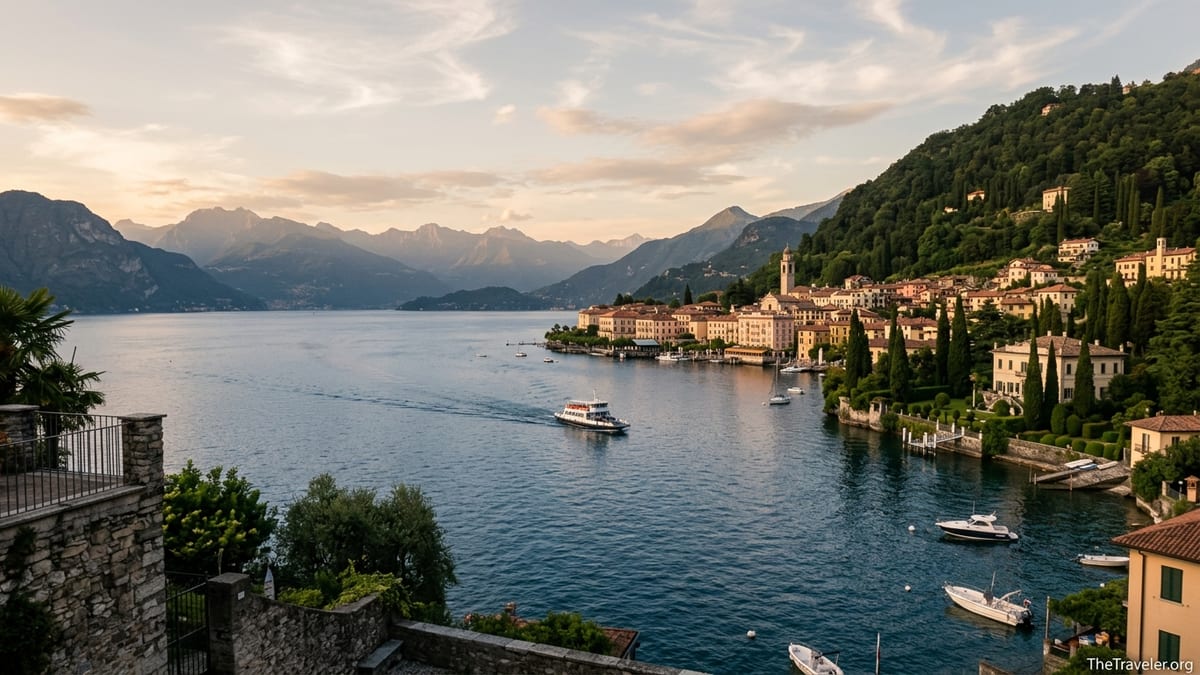
If you are chasing grand, cinematic views, Lake Como usually delivers the most dramatic first impression. The lake is long and narrow, with steep mountains that rise almost straight from the water, especially around Varenna, Menaggio and Bellagio. On the mid-lake ferries you sail past pastel villages and ornate villas with terraced gardens and boat houses. The scenery feels vertical and enclosed, particularly on cloudy or stormy days when peaks disappear into mist.
Lake Garda, Italy’s largest lake, offers more variety in a single destination. The north around Riva del Garda is framed by cliffs and is popular with sailors, climbers and windsurfers. The southern shore around Sirmione and Desenzano is wider and softer, with low hills, vineyards and olive groves and long pebble beaches that feel almost coastal. Views here are spacious rather than dramatic, with wide horizons and big skies at sunset.
Lake Maggiore sits visually between the two. Around Stresa and the Borromean Islands you get elegant, old-world scenes of belle époque hotels, manicured gardens and forested slopes. The lake is broad but the mountains are slightly set back, so your view feels calmer and more open than Como, but more Alpine than the south of Garda. The atmosphere is quieter at night, with most people strolling the promenade or taking long dinners rather than bar-hopping.
Lake Iseo is smaller and more intimate, but with surprisingly bold views around Monte Isola, the large island that rises sharply from the water. You still see high ridges and rocky cliffs, yet the overall tone of the lake is rural and low-key. Villages are working communities first and tourist resorts second, which is part of the appeal if you prefer a slower pace and fewer luxury trappings.
Towns, Vibe and Typical Traveler
On Lake Como, the classic triangle of Varenna, Bellagio and Menaggio concentrates much of the visitor action. Bellagio has polished boutiques, wine bars and upscale restaurants, with hotels that lean toward couples and honeymooners. Varenna, on the eastern shore, is quieter but still polished, with a romantic lakeside walkway and traditional trattorie. Menaggio on the western side has a more lived-in feel and works well if you want self-catering apartments and easier parking. The overall vibe of the central lake is affluent and international, especially in peak season when visitors arrive for high-end villa stays and Michelin-leaning dining.
Lake Garda’s towns change character as you move around the shore. In the south, Desenzano del Garda and Peschiera del Garda serve as busy hubs with rail connections, supermarkets, family-friendly restaurants and nightlife that runs later than on Como. Nearby Sirmione is one of the region’s postcard icons, with its medieval castle and spa hotels, but it is often packed during the day. On the eastern shore, towns like Bardolino and Lazise blend lakeside promenades with easy access to local wineries and major theme parks that attract families. The north, including Riva del Garda and Torbole, is sportier, with bike rentals, climbing guides and sailing schools catering to active travelers.
Lake Maggiore’s main bases, such as Stresa, Verbania and Baveno on the western shore, skew a little older and quieter. You see more couples on relaxed holidays and small groups touring the gardens and palaces on Isola Bella and Isola Madre. Evening life is centered on waterfront aperitivo, low-key live music and hotel lounges rather than clubs. Maggiore also draws travelers road-tripping between Switzerland and Italy, who prefer a refined but not overly glitzy stop.
Lake Iseo’s key towns, including Iseo itself, Sulzano and Lovere, feel more local. Cafes are filled with residents on their daily routines, and shops cater as much to locals as to tourists. Monte Isola, the island in the middle of the lake, is largely car-free, so visitors walk or cycle between small fishing villages and olive groves. The typical traveler here is a couple or family looking for an authentic, slower experience, often combining the lake with the nearby Franciacorta wine region rather than ticking off Italy’s top-10 sights.
Hotels, Budgets and Value for Money
Lake Como is widely considered the most expensive of the four lakes, largely due to its global reputation and concentration of luxury properties. Around Bellagio and the central lake, a stylish four-star hotel with lake views in high season can easily run into the several hundred euro per night range, while famous five-star villas and palazzo hotels are often priced for special-occasion trips. There are budget-friendly guesthouses and apartments, especially if you move a few streets back from the water or base in less-hyped towns like Lecco or Colico, but on the whole you pay a premium for the Como name.
Lake Garda offers almost every accommodation style, from large all-inclusive resorts with kids’ clubs in the south to small agriturismo stays among vineyards and olive groves on the hillsides. Families can find mid-range hotels with pools, breakfast included and family rooms at prices that are often noticeably lower than on Como for similar comfort levels, especially outside August. Self-catering apartments are abundant in towns like Desenzano, Peschiera and Riva del Garda, which helps keep food and activity costs manageable.
On Lake Maggiore, prices are generally softer than on Como but can still climb in the most desirable waterfront spots. Stresa’s historic lakefront hotels offer old-world charm that can be good value compared with Como’s marquee names, particularly if you are flexible on room size or are happy with partial lake views. In smaller towns and on the Swiss side, simple family-run hotels and bed and breakfasts provide clean, comfortable rooms that suit road-trippers and couples who prioritize quiet over glamour.
Lake Iseo is often the best value, particularly for travelers who do not need a spa, concierge desk or rooftop bar. Many lakeside properties are modest three-star hotels or apartments used by Italian holidaymakers, priced accordingly. You can often stay directly on the water or with a balcony view for a nightly rate that would only get you a basic room set back from the lake on Como. Monte Isola has a handful of charming small hotels and B&Bs where the luxury is the silence and the view rather than a long list of amenities.
Swimming, Beaches and Water Activities
All four lakes are suitable for swimming in summer, but the experience differs. Lake Garda is generally the strongest choice if you want easy-access beaches and a lot of water activities. Along the southern and eastern shores you will find long stretches of pebble or small-stone beaches, free sections mixed with managed beach clubs that rent loungers and umbrellas for a daily fee. Many towns also offer pedal boat and paddleboard rentals, plus piers where locals and visitors alike jump into the water on hot afternoons. Families appreciate the gentle slopes and clear entry points, although water temperatures can still be refreshing rather than bath-warm.
Lake Como has fewer broad beaches and more pocket-sized lidos, platforms and hotel-owned lake access. In the town of Como and some nearby villages, local regulations restrict swimming to designated areas for safety reasons, so many visitors opt for paid lidos that provide lifeguards, sunbeds and bar service. Around the mid-lake, several villages offer small public beaches or grassy areas where you can wade in. The lake is deep and can feel cool even at the height of summer, which many swimmers enjoy but some children find brisk.
Lake Maggiore mixes small beaches with grassy lakeside parks. Stresa and nearby towns have modest swimming areas and lakefront lidos, while smaller villages offer piers and small bays where you can get in the water. Because the lake is broad and quite deep, water temperatures stay on the cooler side. Maggiore is particularly appealing for boat excursions, whether you join a regular ferry to the Borromean Islands or hire a small craft with a skipper to combine sightseeing with short swimming stops.
Lake Iseo’s swimming options are more low-key but rewarding. Around the shores you will find small free beaches and simple lidos, often used more by locals than international travelers. On Monte Isola there are lakeside spots where visitors spread towels on the grass and slip into the water between fishing boats. Water quality is generally good and the setting, ringed by hills, feels secluded. Compared with Garda, you will find fewer big rental operations and inflatable water parks, which is either a drawback or an advantage depending on your taste.
Ferries, Driving and Getting Around
All four lakes have ferry services, but their role in your trip can be very different. On Lake Como’s central section, ferries effectively function as public transport. Passenger boats and car ferries connect Bellagio with Varenna, Menaggio and Cadenabbia throughout the day, often at roughly hourly intervals in high season. A typical car-ferry crossing takes around 10 to 15 minutes. Recent official tariffs indicate that taking a small car on the ferry between these mid-lake towns costs in the low tens of euros per single trip, with the driver’s ticket included, while additional passengers pay a separate per-person fare. This makes it feasible to base in one town and explore others without long drives on the narrow lakeside road.
Lake Garda’s ferries are more about scenic connections than daily commuting, although many travelers still use them to avoid long loops by car. Routes link major towns such as Desenzano, Sirmione, Bardolino, Garda and Riva del Garda, with faster hydrofoil-style services supplementing slower boats. If you are driving, the ring road around Garda is mostly wide and straightforward by Italian lakes standards, especially on the southern shore, although traffic can be heavy on summer weekends. Parking is generally easier than on Como, with larger public lots near marinas and old towns, many of them paid but reasonably priced for a day’s stay.
On Lake Maggiore, ferries connect Stresa with the Borromean Islands and with other towns along both the Italian and Swiss shores. Services are regular but slightly less frequent than Como’s central triangle, so you will want to check timetables and plan island-hopping days in advance. Driving along the western shore is scenic, with the road alternately hugging the water and climbing slightly into the hills. There are narrow stretches and tunnels, but overall it feels less hectic than some segments of Como’s shoreline road.
Lake Iseo’s ferry network is smaller but includes one stand-out feature: frequent boats to and from Monte Isola. Services run year-round between mainland ports like Sulzano or Sale Marasino and island villages such as Peschiera Maraglio and Carzano, with daytime departures often spaced at roughly 15 to 20 minutes apart in peak summer. Additional boats circle the lake and connect other towns on a timetable that looks more like a regional bus schedule than a sightseeing cruise program. The lakeside road is narrower in places, but overall traffic volumes are lighter than on Garda or Como, and parking in smaller towns is usually manageable outside August weekends.
Best for Couples, Families and First-Time Visitors
For couples seeking romance and atmosphere, Lake Como and Lake Maggiore usually sit at the top of the list. Como’s central towns package together classic views, candlelit dinners and polished hotels that make planning a honeymoon or anniversary trip straightforward, as long as your budget is comfortable. Bellagio in particular offers a high concentration of romantic restaurants with terraces over the water, boutique hotels with lake-view balconies and easy ferry access for scenic day trips. Lake Maggiore is a strong alternative if you prefer slightly calmer streets and a bit more space, with Stresa’s lake promenade and the gardens of Isola Bella providing a softer, less showy brand of romance.
For families, especially those with school-age children and teenagers, Lake Garda is often the most practical and fun choice. The southern shore around Peschiera del Garda and Lazise sits near several major theme parks, including Italy’s largest amusement park and a dedicated water park, plus other attractions that are geared to children. Many family-oriented hotels offer pools, children’s menus and playgrounds, and beach access tends to be simpler than on the steeper shores of Como. Towns like Desenzano also provide the everyday infrastructure that makes traveling with kids easier, such as large supermarkets, pharmacies and casual pizzerias lining the main streets.
Lake Iseo works well for both couples and families who value quiet over constant entertainment. Car-free Monte Isola is appealing for children who can roam safely on bikes and for adults who want to hike to hilltop sanctuaries or simply sit in harborside cafes watching fishing boats. Iseo town offers enough restaurants, gelaterie and simple lakeside promenades to keep everyone occupied without the sense of being in a major resort. It also pairs naturally with visits to nearby vineyards, where many estates welcome guests for low-key tastings and picnics.
For first-time visitors to northern Italy who want to add “a lake” to an itinerary focused on cities such as Milan or Verona, the choice often comes down to logistics and personality. Lake Como is closest to Milan and has the most globally recognized imagery, so it suits travelers who want a dash of glamour and do not mind premium prices. Lake Garda is best for those who want variety, kid-friendly infrastructure and a blend of lake and low-key beach holiday. Lake Maggiore and Lake Iseo reward those who appreciate subtler charm, quieter evenings and a more local feel.
How to Choose: Matching Lakes to Travel Styles
When deciding between these four lakes, start by ranking what matters most on your trip. If your top priority is waking up to some of the most photographed views in Italy, and you are comfortable paying for the privilege, Lake Como’s central triangle is hard to beat. Add Como to your itinerary if you imagine spending your days on boat rides past villas, dressing up a little for dinner and browsing small boutiques rather than chasing long beach days or theme parks.
If your ideal lake holiday involves swimming off pebble beaches, hiring pedal boats, and mixing lake time with amusement parks or cycling, Lake Garda is usually the better fit. The south and east shores are especially good if you want days that swing between simple pleasures like evening promenades with gelato and more high-energy outings on bikes or rollercoasters. Garda also scales well for multigenerational trips, with grandparents enjoying lakeside cafes while younger family members tackle water sports or parks.
Choose Lake Maggiore if you are drawn to garden visiting, historic palaces and lightly old-fashioned lakeside towns. It can feel like a quieter cousin to Como, where you spend mornings on island excursions, afternoons by the hotel pool or on terrace bars, and evenings strolling along the promenade. Maggiore is also convenient for itineraries that include both Switzerland and Italy, since some northern towns and connecting trains sit on or near the border.
Opt for Lake Iseo if you value authenticity, slower travel and the chance to blend lake time with wine country and rural walks. The presence of Monte Isola gives the lake a distinctive identity, with its walking and cycling routes and the novelty of taking short, frequent ferries as part of everyday life. Iseo particularly suits travelers who have already visited the more famous lakes and are looking for something less scripted, or those who dislike crowds but still want a classic northern Italian lake setting.
The Takeaway
No single northern Italian lake is objectively “best” for every traveler. Lake Como trades heavily on drama and prestige, which is perfect if you seek icon-level views and do not mind higher prices. Lake Garda is large, practical and playful, tailored to families and active travelers who want beaches, bikes and theme parks alongside lakeside aperitivo. Lake Maggiore appeals to those who like their landscapes refined rather than flashy, with historic hotels and elegant gardens giving shape to slow, scenic days.
Lake Iseo, the quietest of the four, offers an intimate alternative that still delivers impressive views and rewarding day trips, especially to Monte Isola and nearby vineyards. By weighing what you value most, from swimming and ferries to driving ease and nightlife, you can match your travel style and budget to the lake that will feel less like a box ticked and more like the highlight of your northern Italy journey.
FAQ
Q1. Which lake is easiest to reach from Milan for a short stay?
Milan has direct train connections to both Lake Como and Lake Garda, but Como is generally the quickest option. Trains from Milano Centrale reach Como San Giovanni in around 40 minutes, and from there you can continue by ferry or bus to mid-lake towns such as Bellagio or Varenna. Garda works well too, especially via Desenzano del Garda or Peschiera del Garda, but journey times are typically a little longer.
Q2. Which lake is best if we are traveling with young children?
Lake Garda is usually the most practical choice for families with young children. Many southern towns have gently shelving pebble beaches, playgrounds and family-focused hotels with pools and kids’ menus. The presence of major theme parks and a wide range of casual restaurants makes planning child-friendly days straightforward, and driving conditions and parking are often easier than on the steeper shores of Lake Como.
Q3. Is it worth renting a car, or can we rely only on ferries and trains?
You can visit all four lakes without a car, but your experience will differ. On Lake Como and Lake Maggiore, ferries link major towns efficiently, so you can base in one hub and explore by boat and occasional buses or taxis. Lake Garda and Lake Iseo are more spread out, and while ferries help, a car offers far more flexibility, especially for accessing hilltop villages, vineyards and quieter beaches. If you dislike driving on narrow roads, consider focusing on one or two well-connected towns instead of circling the entire shore.
Q4. Which lake is better for serious swimming and water sports?
For frequent swimming and a broad mix of water sports, Lake Garda is generally the strongest choice. The north of the lake around Riva del Garda is a well-known hub for sailing, windsurfing and kitesurfing, while the south and east offer easy paddleboard and pedal boat rentals plus numerous public and managed beaches. The other lakes do allow swimming in designated areas and offer boat rentals, but infrastructure for water activities is more extensive and visible on Garda.
Q5. We are mainly interested in gardens, villas and historic sights. Where should we go?
Lake Como and Lake Maggiore both excel for gardens and villas. On Como, historic estates open select gardens and house museums during the season, and boat trips often focus on viewing famous villas from the water. On Maggiore, Stresa makes an ideal base for visiting the Borromean Islands, where palaces and formal gardens fill much of Isola Bella and Isola Madre. If gardens and grand architecture are central to your trip, either lake can easily fill several days with visits.
Q6. Which lake feels least crowded in peak summer?
No northern Italian lake is truly quiet in late July and August, but Lake Iseo and some parts of Lake Maggiore usually feel less intense than Lake Como’s central triangle or Lake Garda’s southern shore. On Iseo, staying in smaller towns or on Monte Isola helps you avoid the largest crowds, while on Maggiore you can base in a modest lakeside village rather than in the main hubs. Traveling in June, early July or September will noticeably reduce crowd levels on all four lakes.
Q7. Are the lakes warm enough for swimming in May or September?
Water temperatures vary by year, but generally the lakes are cooler in May and gradually warm through June, peaking in July and August before starting to cool again in late September. Lake Garda, especially its southern end, tends to feel slightly less cold early and late in the season than deeper lakes like Como and Maggiore. If swimming is a priority in May or late September, consider booking accommodation with a heated pool so you have a comfortable alternative if the lake feels too chilly.
Q8. How do prices compare for eating out around the different lakes?
On average, Lake Como’s central tourist towns command the highest prices for meals and drinks, while Lake Garda, Lake Maggiore and Lake Iseo often offer slightly better value, particularly away from the most famous spots. In all four areas you can keep costs down by choosing simple trattorie, pizzerias and lunchtime menus, and by staying slightly back from the most prominent waterfront squares. Self-catering apartments also help manage food budgets if you are staying for a week or longer.
Q9. Which lake is best if we want to combine our stay with wine tasting?
Lake Iseo has a particular advantage for wine lovers thanks to its proximity to the Franciacorta wine region, known for its traditional-method sparkling wines. Many wineries in this area welcome visitors for tastings and tours, and the vineyards are within a short drive of Iseo town. Lake Garda also suits wine enthusiasts, especially on the eastern shore near Bardolino and further inland toward Valpolicella and Soave, where you can combine lake time with day trips to tasting rooms.
Q10. If we only have two nights, which lake should we choose?
With just two nights, convenience and focus matter more than seeing everything. If you are flying in or out of Milan and want the fastest access plus iconic scenery, Lake Como, particularly the mid-lake area reached via Varenna and Bellagio, is often the most efficient choice. If you are also visiting Verona or traveling with children, basing on the southern shore of Lake Garda near Desenzano or Peschiera can make transfers and excursions easier. For a quieter, more off-the-radar feel in the same short time, a compact base on Lake Iseo or in Stresa on Lake Maggiore will let you sample the atmosphere without spending half your stay in transit.