


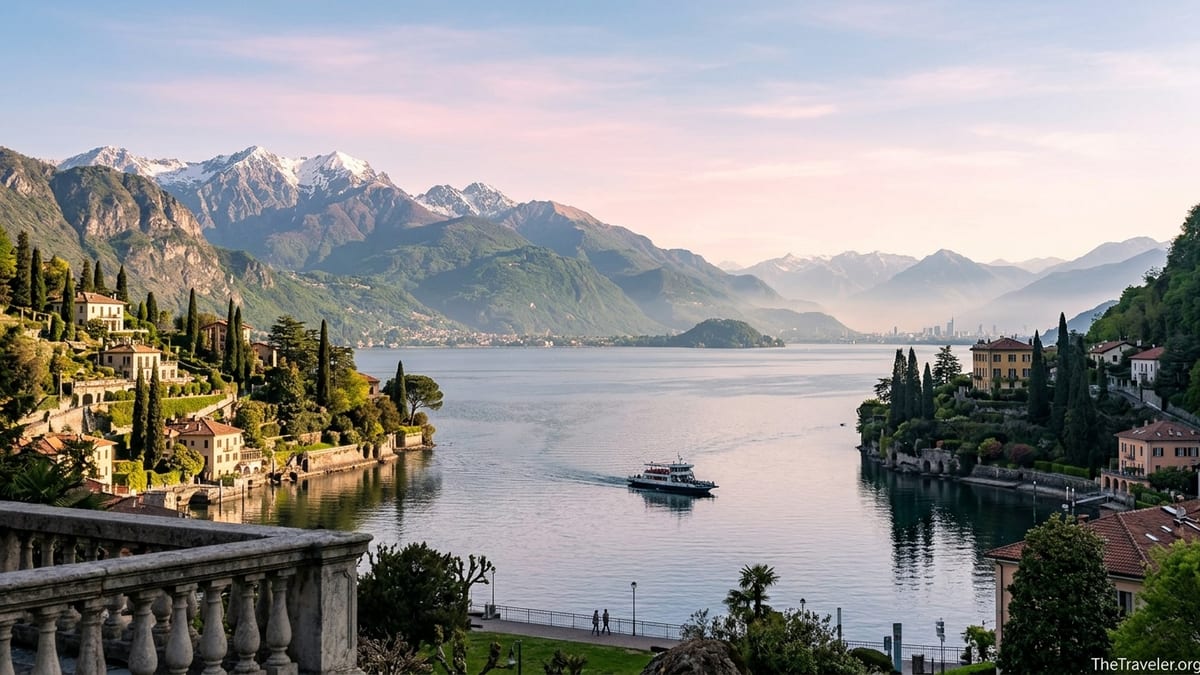
Northern Italy can feel like four different countries in one. Snowy Dolomite peaks, glassy lakes framed by palm trees, misty Venetian canals and Milan’s fashion streets all sit within a few hours of each other, yet behave very differently across the year. Picking the right month can mean the difference between empty hiking trails and ski lifts that have already closed, or a bargain canal-side hotel and a fully booked city hosting a major fashion fair. This guide walks you through the best time to visit Northern Italy for the lakes, Dolomites, Venice and Milan, comparing spring, summer, autumn and winter with concrete, real-world examples.
How the Seasons Shape Northern Italy
Before choosing specific months, it helps to understand how the seasons actually play out on the ground. In Lake Como and Lake Garda, spring and autumn bring mild temperatures, blooming gardens and lower hotel prices, while July and August are at once gorgeous and crowded, with lakefront hotels often charging their highest rates. In the Dolomites, winter is ski season, with resorts such as Cortina d’Ampezzo and Val Gardena typically running lifts from early December to early April, while summer focuses on hiking and via ferrata routes.
Venice and Milan follow quite different rhythms even though they share a northern latitude. Venice is at its most crowded from May to October, with day-tripper fees and cruise passengers amplifying peak dates, while also facing the risk of acqua alta, or high water, in autumn and winter. Milan, by contrast, sees price spikes around specific events such as Milan Fashion Week in February and September and the Salone del Mobile furniture fair in April, when mid-range hotels that might usually run around a moderate nightly rate can climb noticeably for the same standard of room.
Seasonal closures are especially relevant in mountain and lakeside areas. Many family-run hotels and restaurants in smaller Dolomite villages, and even around quieter corners of Lake Como such as Varenna or Tremezzo, close between late October and late March. Ski lifts shut down entirely for several weeks in late spring and again in late autumn, so a visit in, say, mid-May can leave you surrounded by stunning scenery but with limited cable cars, mountain huts and buses in operation.
Crowd levels also shift dramatically week by week. For example, around Ferragosto, Italy’s mid-August holiday week, prices in Lake Garda resort towns like Sirmione and Riva del Garda often jump and local beaches fill with Italian vacationers. By contrast, the first half of October in the Dolomites can feel quiet and almost contemplative, with many hikers departed and larches turning gold, yet some high-altitude rifugi already shut for the season.
Spring (March to May): Blossom, Shoulder Season Prices and Unstable Mountains
Spring in Northern Italy is particularly attractive for those balancing budget and experience. Along Lake Como, camellias and wisteria start to bloom in late March and early April in famous villas such as Villa Carlotta and Villa del Balbianello. In this period you can often find mid-range lakefront hotels in towns like Menaggio or Bellagio at noticeably lower rates compared with July and August, and restaurant terraces are lively but not yet overwhelmed. Ferry schedules are reasonably frequent, though still slightly reduced compared with high season, which can mean planning ahead to avoid gaps of more than an hour between crossings on quieter routes.
In Venice, March and April usually bring cool mornings and comfortable afternoons. Carnival often falls in February or early March, and when it does, prices in the San Marco and Rialto areas can rise sharply, with two- or three-night minimum stays. Outside of Carnival and Easter, though, you may find smaller guesthouses in the Dorsoduro or Cannaregio districts charging less than they will in late spring and summer. Crowds are thicker on weekends but still manageable, and popular sights such as the Doge’s Palace may require modest queueing rather than multi-hour waits.
The Dolomites in spring are a mixed picture. March is still firmly ski season in many areas, especially higher resorts linked to the Dolomiti Superski network, while by late April snow cover becomes unreliable and many slopes close. Low-lying hiking paths around villages such as Ortisei or San Candido may be walkable in April, but higher trails and passes can remain snowbound or muddy into May. Cable cars that serve summer hiking routes, like those above Val Gardena, typically reopen only from late May or June, so visitors expecting easy access to panoramic walks in April often find themselves limited to valley routes.
Milan in spring is dynamic and sometimes expensive. The Salone del Mobile furniture fair, usually held in April, pushes hotel prices sharply upward across the city, particularly around the Rho Fiera exhibition center and fashionable districts like Brera and Porta Nuova. Outside of major trade shows, however, weekday rates can be relatively reasonable, and pleasant spring temperatures make it an appealing time to combine city sightseeing with day trips to the lakes by train.
Summer (June to August): Peak Season, Warm Lakes and Busy Cities
Summer is the classic high season for Northern Italy’s lakes and mountains. On Lake Garda and Lake Como, June, July and August bring warm water temperatures suitable for swimming and boating. Ferries on Lake Como run their fullest timetables, with fast hydrofoils and car ferries making it easy to base yourself in one town and explore others for dinner. The trade-off is cost and crowds. Lakeside hotels in hotspots like Bellagio, Como town and Desenzano on Garda often operate at or close to full occupancy, and prices for lake-view rooms can be significantly higher than in shoulder months.
The Dolomites become a hiking paradise from late June through September. Trails around Tre Cime di Lavaredo, Alpe di Siusi and Seceda are generally clear of snow, and mountain huts known as rifugi operate with full services, offering simple dorm beds and home-cooked meals. Many cable cars and chairlifts run daily, letting even casual walkers reach high-altitude viewpoints. However, peak season in August, especially during the Italian holiday period, can bring traffic on narrow mountain roads and crowded parking areas at popular trailheads. Booking rifugi several weeks in advance is advisable for overnight treks in this period.
Venice in summer is beautiful but demanding. Daytime temperatures often feel hot in July and August and the narrow calli can feel packed, particularly around landmarks like the Rialto Bridge. Hotel prices, especially within easy walking distance of Piazza San Marco, frequently reach their annual peak. Many travelers choose to stay in quieter sestieri such as Cannaregio or on the Lido to gain a bit more space and sometimes slightly better value, relying on vaporetto boat services to move around. Evening and early morning visits to the busiest squares and basilicas can make the experience more comfortable.
Milan, largely a business city, empties to some degree in August when many locals take their holidays. Some neighborhood restaurants and smaller shops close for a week or more around mid-August, though major museums, international hotel chains and shopping streets like Via Montenapoleone remain open. Summer is not the cheapest time to stay in Milan overall, but mid-August can sometimes bring relative dips in rates at business-oriented hotels, which otherwise stay expensive around events like Men’s and Women’s Fashion Weeks in June and September.
Autumn (September to November): Color, Calm and City Culture
For many travelers, autumn is the sweet spot in Northern Italy. Around Lake Como and Lake Garda, September often brings warm days, cooler nights and thinning crowds. Ferry services usually remain frequent through much of the month, and lakeside promenades in towns like Bardolino or Bellagio are lively yet relaxed. By October, some seasonal lakefront lidos and smaller family hotels begin to close, but you can still have pleasant terrace lunches on sunny days, often at slightly reduced menu prices or with more competitively priced lunch specials as demand ebbs.
The Dolomites in September and early October offer crisp air and striking colors. Larch forests in areas like Val di Fassa and Alta Badia turn shades of gold, and the sun sits lower, creating dramatic light on the rock faces. Hiking is superb, with fewer people on the trails than in August. However, by mid to late October many cable cars and rifugi shut down for the interseason break, and some mountain passes can see early snow. This makes late October and November an awkward time for those hoping to mix scenic drives with high-altitude walks, as infrastructure is limited and mountain weather becomes more unpredictable.
Venice in autumn is both atmospheric and occasionally wet. September and early October can still feel relatively warm, but crowd levels ease compared with high summer. From roughly October through January, the city enters its main acqua alta season, when strong tides combined with wind and low pressure can temporarily flood low-lying areas such as Piazza San Marco. In recent years, flood barriers have reduced the frequency of major disruptions, but raised walkways still appear during higher tides. Travelers visiting in November, traditionally one of the peak months for high water, often carry light rubber boots or buy inexpensive plastic overshoes at local shops.
Autumn is also an appealing time for Milan and regional cities such as Verona or Bergamo. Cultural calendars are full, with opera seasons beginning at La Scala and harvest festivals taking place in surrounding wine regions like Franciacorta and Valpolicella. Hotel prices in Milan tend to spike on dates overlapping with September Fashion Week and other large trade fairs, while midweek dates in October without major events can be significantly more affordable. Cooler temperatures make it comfortable to explore districts like Navigli, with its canalside bars and restaurants, without the intense summer sun.
Winter (December to February): Skiing, Quiet Lakes and Foggy Cities
Winter in the Dolomites is peak ski time. Resorts such as Cortina d’Ampezzo, Val Gardena and Alta Badia typically open their main ski areas in late November or early December, conditions permitting, and aim to run through Easter, often early April. A wide network of lifts and pistes in ski circuits like Dolomiti Superski offers hundreds of kilometers of groomed runs. Christmas and New Year weeks are among the busiest, with hotel rates in prime slopeside villages climbing to their highest of the year, and advance booking of ski passes, equipment rental and ski schools is essential.
Outside the holiday weeks, January can offer better value for skiers. Many hotels in ski towns introduce mid-winter packages combining accommodation, lift passes and sometimes spa access at more favorable rates than late December. Snow conditions are generally reliable, though very high or very low temperatures can affect specific runs. Travelers who are not skiing should be aware that many non-ski attractions in small mountain villages, such as summer hiking lifts and some high-altitude restaurants, remain closed until the snow season ends and spring operations begin.
Lake regions in winter are serene and quiet. Towns like Bellagio, which buzz in July, can feel almost silent in January; a number of small hotels, lakefront cafés and boutique shops close from late autumn until around Easter. Ferry services across Lake Como and Garda continue year-round but on reduced timetables, with fewer early morning and late evening departures, making it important to check schedules for connections back after dinner in another town. Prices for the larger hotels that remain open are often lower than in summer, and some visitors deliberately seek this low-key atmosphere for off-season walks and spa retreats.
Venice and Milan experience a more urban winter. Venice can be cold and damp, with occasional fog and the possibility of acqua alta events. However, this is also when visitors can encounter a more local side of the city. January days, excluding New Year and any winter festival events, tend to see fewer tour groups, so you may find shorter entry lines for major sights and more spontaneous availability at centrally located hotels that are heavily booked in May. Milan in winter is brisk but energetic, lit by Christmas markets and window displays in December and busy with fashion and design industry events in February, which affect hotel prices but also bring a sense of occasion.
Month-by-Month Highlights and Trade-Offs
January is ideal for dedicated skiers, with good snow cover in most Dolomite resorts and slightly less competition for accommodation than during the New Year period. Lakes and cities are quiet, and you may encounter sales in Milan’s fashion district. February continues the ski season and often hosts Carnival in Venice, which transforms the city with masks and balls but pushes room rates higher in central areas such as San Marco.
March often straddles late skiing and early spring. High Dolomite slopes remain open in many areas, but valley bottoms begin to thaw. Milan and Venice warm up a little, and Lake Como’s gardens start showing early blossoms. April is attractive for city and lake trips outside of Easter and major trade fairs; it offers comfortable temperatures, fewer crowds than summer and lower room prices at many mid-range hotels along the lakeshores and in Venetian neighborhoods away from the main squares.
May is one of the most balanced months overall for non-skiers interested in lakes, Venice and Milan. Flowers are fully out around Lake Como and Lake Garda, ferries are relatively frequent, and most hotels and restaurants are open. Venice is busy but not yet at peak summer congestion, and Milan’s café terraces fill with locals after work. June transitions to true summer: Dolomite hiking routes open up as snow recedes, lake swimming becomes realistic, and evenings grow long and pleasant.
July and August bring maximum warmth and crowds. If your priorities are sunbathing on Lake Garda’s pebble beaches, long hikes in the Dolomites and late dinners on Venetian canalsides, these months deliver, but at the cost of higher prices and busier streets. September often combines many of summer’s advantages with fewer people, particularly after the first week, and is an outstanding time for both hiking and lake tourism. October marks a turn toward quieter days, autumn colors and some seasonal closures in the mountains.
November is the most challenging month for some travelers, especially those wanting open lifts and guaranteed clear weather. Venice can be wet and at higher risk of high tides, some Dolomite villages largely shut down between summer hiking and winter skiing seasons, and lake towns are subdued. However, it can suit visitors focused on museums, opera and food in cities like Milan and Verona, where cultural events continue regardless of the weather. December then swings back toward energy in ski resorts and Christmas markets in cities, closing the annual cycle.
Choosing the Best Time for Your Priorities
If your main goal is hiking and scenic drives in the Dolomites, aim for late June to mid-September, with early to mid-September often delivering the best combination of stable weather and lighter crowds. Concrete examples include planning a week based in Ortisei or Corvara in early September, when cable cars typically still operate daily and rifugi along famous routes such as the Alta Via 1 remain open, but Italian school holidays have ended. Renting a car at Venice or Verona and driving mountain passes like Gardena or Sella in this period allows easy access to trailheads and viewpoints, though parking near popular sites still requires early starts.
For lake-focused trips centered on Como or Garda, late April to June and September to early October are particularly attractive. Travelers might base themselves in Varenna on Lake Como in May, using regular ferries to reach Bellagio for dinner, or choose Garda’s town of Bardolino in late September during grape harvest, when local wineries host tastings. Hotel prices in these shoulder seasons are typically lower than in July and August, and you are more likely to find last-minute rooms with lake views or flexible cancellation policies at mid-range properties.
Visitors prioritizing Venice’s art and atmosphere over beach weather may prefer March, April, October or early November, accepting a higher chance of rain in exchange for more manageable crowds and slightly better deals on accommodations. Choosing a stay in less central neighborhoods like Dorsoduro or Castello during these months often yields quieter evenings and gentler prices than the immediate surroundings of Piazza San Marco. Timing a trip to avoid major holidays and large public events also helps keep both costs and visitor numbers in check.
If your focus is Milan’s shopping, design and nightlife, consider pairing the city with nearby destinations by train. For example, a four-night trip in May could include two nights in Milan, with visits to the Duomo and Brera district, and two nights in Lake Como, all linked by rail in under two hours. Travelers watching budgets can check event calendars and avoid weeks with major trade shows, when business demand pushes up room rates across all central districts, from the station area around Centrale to more upscale zones near San Babila and Porta Venezia.
The Takeaway
Northern Italy does not have a single “best” time to visit; rather, each season brings clear trade-offs between weather, prices, crowds and available activities. Skiers should look to mid-winter in the Dolomites, hikers to late June through September, and lake lovers to the softer edges of spring and autumn. Venice and Milan, although both urban, respond strongly to event calendars and tidal or weather patterns, making specific dates more important than rough seasonal labels.
For a first-time visitor wanting a mix of lakes, Dolomites, Venice and Milan without extremes of heat, cold or cost, late May, June (avoiding the busiest trade-fair weeks) and September stand out as particularly balanced choices. Repeat travelers or those with niche interests, such as winter sports or Carnival, might select less obvious months, accepting certain closures or risks like high water in return for unique experiences.
Whichever window you choose, planning around concrete realities helps: check ski lift opening dates before booking a March or April Dolomite trip, confirm ferry timetables for winter lake visits, and look at Venice’s tide and event forecasts for autumn or winter stays. With those details in place, Northern Italy rewards visitors year-round, whether you are tracing reflections of the Dolomites in a still lake at sunrise, walking along a quiet Venetian fondamenta in January mist, or watching the sunset from a Milan rooftop terrace in late spring.
FAQ
Q1. What is the single best month to visit Northern Italy if I want a bit of everything?
Many travelers find September the most balanced month, with good hiking conditions in the Dolomites, warm but not extreme temperatures around the lakes, and slightly calmer crowds in Venice and Milan compared with peak summer.
Q2. When is the best time to visit the Dolomites for hiking rather than skiing?
The main hiking season usually runs from late June to mid-September, with early September often ideal because most lifts and mountain huts are still open, trails are mostly snow-free and peak August crowds have eased.
Q3. Which months are best for skiing in the Dolomites?
For reliable skiing, plan between late December and mid-March, avoiding the Christmas and New Year holidays if you want lower prices and fewer crowds, and checking each resort’s official opening dates before booking.
Q4. When should I visit Lake Como or Lake Garda for pleasant weather and lower prices?
Late April to June and September to early October usually offer mild temperatures, scenic lakeside walks, regular ferry services and more moderate hotel rates than in July and August.
Q5. What months have the highest risk of acqua alta in Venice?
Acqua alta, or high water, is most common from roughly October through January, with November and December traditionally seeing the highest frequency of significant high tides, though not every day is affected.
Q6. Is August a bad time to visit Northern Italy?
August brings hot weather, higher prices and heavy crowds in many lake and mountain areas, but it can still work if you plan ahead, book accommodation early and are prepared for busy roads and popular sites.
Q7. Are there many seasonal closures I should worry about?
Yes, especially in mountain and smaller lakeside towns, where many hotels, restaurants and cable cars close between late October and late March or between winter and summer seasons, so checking local opening dates is important.
Q8. How do major events in Milan affect the best time to go?
Events like Fashion Week and the Salone del Mobile furniture fair cause hotel prices to spike and rooms to sell out quickly, so travelers seeking better value often choose weeks without major trade shows.
Q9. Is winter a good time to visit the lakes and Venice?
Winter is quiet and atmospheric, with lower hotel prices and fewer tourists, but some lakeside businesses close and Venice can be cold, damp and occasionally affected by high water, which some visitors find part of its charm.
Q10. How far in advance should I book for peak seasons?
For August in the Dolomites and lakes, or for Carnival and major holidays in Venice and Milan, booking accommodation and key services several months ahead is wise, while shoulder-season trips can often be arranged with shorter notice.