


Northern Italy is where snow capped peaks meet elegant lakeside villas, medieval piazzas and beach towns clinging to cliffs. For first time visitors it can feel overwhelming to choose between Milan, Venice, Lake Como, Lake Garda, the Dolomites, Verona, Turin, Bologna and the Cinque Terre, then work out trains, budgets, and the best time to go. This guide focuses on the essentials, with real world examples to help you turn a dream itinerary into a realistic and rewarding first trip.
Understanding Northern Italy’s Regions and Highlights
Northern Italy is compact by global standards but extremely diverse. Milan and Turin anchor the industrial north west with fashion, finance and grand boulevards. Venice and Verona blend medieval history with heavy tourism. Lakes Como and Garda offer resort style villages, while the Dolomites deliver some of Europe’s most dramatic alpine scenery. Farther south, Bologna leads a fertile food region, and the Ligurian coast, including the Cinque Terre, faces the Mediterranean with pastel fishing villages perched above the sea.
Distances are shorter than many visitors expect. The fast train from Milan to Venice is around 2 hours 15 minutes, so you can have breakfast near Milan’s Duomo and a late lunch overlooking the Grand Canal. Milan to Turin is about 1 hour by high speed train. Milan to Bologna is roughly 1 hour, and Bologna to Venice about 90 minutes. This makes it realistic to visit two or three bases in a 10 to 14 day trip instead of rushing through every famous name on the map.
For a first visit, many travelers choose a loop such as Milan – Lake Como – Dolomites – Venice, or Milan – Lake Garda – Verona – Bologna, or Turin – Milan – Cinque Terre – Bologna. Each combination balances cities, scenery and food. If you only have a week, it is usually better to pick one city base, one lake or mountain area, and one coastal or smaller historic town instead of trying to see everything.
Think of Northern Italy as a set of themed regions rather than separate checklist cities. Milan and Turin are ideal for design, fashion and big museums. The lakes and Dolomites suit hikers and travelers looking for slower days. Bologna and nearby Emilia Romagna towns appeal to food focused visitors. The Cinque Terre is for those willing to trade crowds for dramatic coastal views. Once you know what kind of trip you want, it becomes easier to prioritize.
Key Destinations: What to Expect in Each Place
Milan is the main international gateway for many travelers, with Malpensa and Linate airports and major rail connections. The historic center clusters around the Duomo, the Galleria Vittorio Emanuele II and the fashion streets near Via Montenapoleone. A typical central three star hotel in 2026 might start around 160 to 220 euros per night for a double in high season, with four star properties easily reaching 250 to 350 euros or more, especially during fashion weeks and trade fairs. Neighborhoods like Brera and Navigli are popular for restaurants and nightlife, while Porta Nuova showcases modern architecture and rooftop bars.
Venice delivers an entirely different atmosphere. The city is built on islands with canals instead of roads, so everything moves by foot or boat. Hotel prices are among the highest in Italy, with average nightly rates in many central areas substantially above 250 euros for mid range hotels in peak months, and simple guesthouses charging what would be upscale prices elsewhere. To save money, some first time visitors base themselves in Mestre on the mainland or in less central districts like Cannaregio and take frequent vaporetto water buses into the historic core.
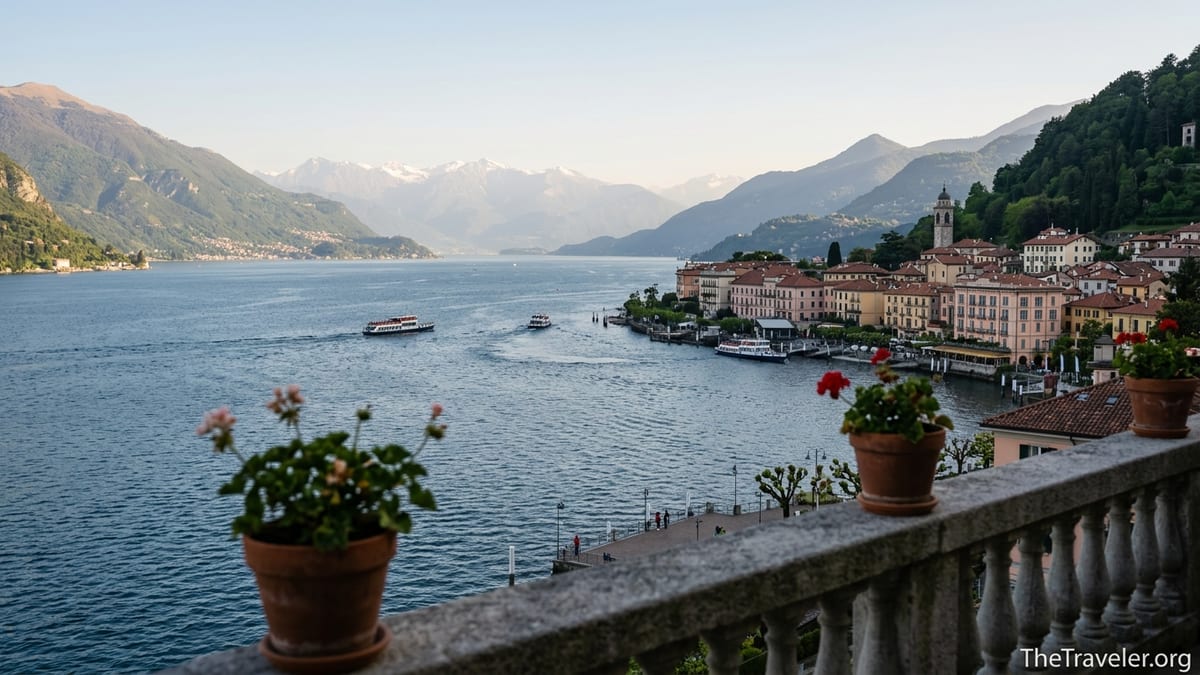
Lake Como and Lake Garda both combine lake views, villas and small towns. Around Lake Como, popular bases include Como town, Bellagio, Varenna and Menaggio, linked by frequent ferries. A lake view room in a mid range hotel in Bellagio in May or September can easily reach 220 to 300 euros per night, while simpler pensione style stays in Como town may be closer to 140 to 190 euros. Lake Garda has a broader choice of family hotels and campsites, especially near towns like Desenzano, Sirmione and Riva del Garda, with basic hotel rooms sometimes starting under 130 euros outside peak school holidays.
The Dolomites are best thought of as a region rather than a single destination, with well known bases such as Cortina d’Ampezzo, Ortisei, Selva di Val Gardena, Canazei and San Candido. In winter these towns turn into ski resorts; in summer they become hubs for hikers and cyclists. Prices in peak periods are closer to those in wealthy alpine resorts elsewhere in Europe, with many comfortable three star hotels starting around 180 to 250 euros per night including half board in July and August. Shoulder seasons in June and September can be significantly better value and often come with clearer views.
Verona, Turin, Bologna and Cinque Terre: Worth Adding?
Verona appeals to travelers who enjoy compact historic centers and opera. The Roman arena in the middle of town hosts summer performances, and streets lined with arcades and wine bars make it pleasant for two nights. A central three star hotel might average around 140 to 190 euros per night in spring and autumn, while guesthouses and small B&Bs can be lower if you stay slightly outside the center and walk 10 to 15 minutes in. Verona pairs naturally with Lake Garda or as a stop between Milan and Venice.
Turin is often overlooked but makes a strong base for travelers who prefer a less touristy city. It offers grand piazzas, covered walkways, coffee houses with old world interiors and an important Egyptian Museum. Hotel prices are often a little lower than in Milan or Venice, with comfortable mid range rooms sometimes available for around 120 to 170 euros per night outside major events. Turin works well as a starting point for those arriving by train from France or Switzerland, or as a quieter alternative to Milan with good rail links across the north.
Bologna is one of Italy’s food capitals and a convenient rail hub. Visitors come for tagliatelle al ragù, tortellini in brodo and mortadella served with regional wines. The city is also home to the world’s oldest university and long arcaded streets. Hotel prices in the historic center have risen as tourism grows, but you can still find mid range doubles from about 140 to 200 euros most of the year, with higher rates during major trade fairs. Bologna connects easily by train to Modena, Parma and Ferrara, which makes it an ideal base for day trips focused on balsamic vinegar, Parmigiano Reggiano and automotive museums.
The Cinque Terre is a string of five coastal villages on the Ligurian coast: Monterosso, Vernazza, Corniglia, Manarola and Riomaggiore. Accommodation is mostly small guesthouses and apartment style rentals carved into the hillside. A simple double room with sea view in peak summer can reach 220 to 300 euros per night, and even hillside rooms without views often cost around 150 to 200 euros. Because of limited space, many travelers stay in nearby La Spezia or Levanto, where prices are somewhat lower and trains run frequently into the Cinque Terre villages. The trade off is a less romantic setting but easier logistics.
Transport: Trains, Driving and Getting Around
Trains are usually the best way to move between major northern Italian cities. High speed services like Frecciarossa and Italo run on key routes such as Milan to Venice, Milan to Turin, Milan to Bologna and Bologna to Venice. On the Milan to Venice route, advance purchase promotional fares often start around 15 euros in second class if booked weeks ahead on specific departures, while flexible fares bought on the day can exceed 50 euros. Second class is comfortable for most travelers, with air conditioning, reserved seats and luggage racks above seats and at carriage ends.
Regional trains connect cities with smaller towns and lakes. To reach Lake Como, for example, frequent regional trains run from Milan Centrale to Varenna-Esino in just over an hour, and from Cadorna station to Como Lago for those staying in Como town. Ticket prices on these regional services are usually under 10 euros per person each way. From Verona, regional trains reach Lake Garda towns such as Peschiera del Garda and Desenzano in under 30 minutes, with similar modest fares. Tickets can be bought at station machines using cards or cash, and travelers must validate regional tickets in the small machines on platforms before boarding if they are not date specific.
Driving can make sense for certain areas such as parts of the Dolomites or smaller Lake Garda villages with fewer public transport options. However, first time visitors should be aware of ZTL zones, restricted traffic areas in many historic centers where cameras fine cars that enter without authorization. For example, driving right into central Bologna, Verona or Turin without understanding the ZTL rules can generate fines weeks after you return home. A practical approach is to rent a car only for countryside or mountain segments, picking it up in cities like Bolzano, Trento or Verona after leaving the historic core by train or tram.
Within cities, walking is usually the most efficient way to get around central districts, supplemented by metro systems in Milan and Turin and by trams and buses elsewhere. In Venice, the vaporetto network functions as public transport, with single rides around 10 euros on the main tourist lines and various passes offering better value for multiple days. Taxis are widely available in Milan, Turin, Bologna and Verona, but can be costly over longer distances; many locals now use app based services or licensed ride hailing alternatives where available. In lake and coastal regions, ferries form an essential part of the transport network, so factor in time for boat transfers between towns.
Accommodation, Tourist Taxes and Typical Costs
Accommodation in Northern Italy ranges from basic one star city hotels to luxury lakefront resorts. As a rough guide for 2026, budget travelers can look for double rooms with private bathrooms from around 90 to 130 euros per night in less pressured cities like Turin or off season Bologna, though in high demand places like Venice or the Cinque Terre it is common to see even modest rooms above 140 to 160 euros in busy months. Mid range travelers should expect to budget roughly 150 to 230 euros per night for central locations in cities such as Milan, Verona and Bologna, more in Venice and prime lake villages. High season in July, August and key holiday weekends often sees prices climb higher than these ranges.
Most Italian cities charge a tourist tax per person per night on top of your room rate, usually collected by the hotel at check out. In Milan, for example, the official 2025 tourist tax table sets rates that vary by accommodation category and can reach several euros per person per night, with higher amounts for upscale hotels in central areas. Similar per night taxes apply in Venice, Bologna and many smaller municipalities around the lakes and in the Dolomites, often capped after a certain number of nights. In practice, couples might pay an extra 8 to 20 euros per night in city tax depending on the destination and hotel category, so it is wise to confirm these charges when booking.
Daily spending varies widely by travel style, but some concrete examples help with planning. A coffee standing at the bar in a Milan or Turin cafe typically costs about 1.20 to 1.80 euros for an espresso and 1.50 to 2.50 euros for a cappuccino, while sitting at a table in a tourist square can increase the price significantly. A simple lunch of a panino and soft drink might cost 7 to 12 euros in a city center, whereas a sit down lunch of pasta and a glass of house wine in a non touristy area could be around 15 to 22 euros per person. At dinner, a mid range restaurant in Bologna or Verona might charge roughly 10 to 15 euros for a pasta dish, 18 to 28 euros for mains like grilled fish or steak, and 4 to 7 euros for desserts, plus a modest cover charge.
For a realistic daily budget, many first time visitors find that excluding accommodation, they spend approximately 45 to 80 euros per person per day on food, local transport and small museum entries, depending on how often they sit down for multi course meals or choose aperitivo buffets instead. Adding in accommodation and trains between cities, a moderate budget might land around 170 to 260 euros per person per day for a couple sharing rooms, though careful choices on location, travel dates and meal style can pull this lower.
Weather, Seasons and When to Visit
Northern Italy’s climate varies between the plains, lakes, coast and mountains, but some patterns hold. Winters are cold and often damp in cities such as Milan and Turin, with daytime highs frequently in the single digits Celsius in January and nights near or below freezing. Venice can feel particularly chilly with humidity and fog. By contrast, ski resorts in the Dolomites embrace winter, with snow cover typically strongest from late December through March, making this the best time for downhill skiing and snowboarding if lifts are operating as usual.
Spring and autumn are generally the most comfortable seasons for city and lake travel. In April and May, Milan and Verona often see daytime temperatures in the mid teens to low twenties Celsius, with evenings cool enough for a light jacket. May and June bring greener landscapes around Lake Como and Lake Garda, with water still cool but ferries running full schedules. September and early October offer similar conditions in reverse, with harvest season in wine regions and often clearer skies in the Dolomites than high summer, though colder nights at altitude.
Summer, particularly July and August, can be hot and crowded in cities and on the coast. Milan, Bologna and Turin frequently reach daytime highs around 30 degrees Celsius or more, and humidity can make walking in the afternoon uncomfortable. Many Italians vacation at the seaside or in the mountains during this period, which means that coastal areas like the Cinque Terre and lake towns are at their busiest. The flip side is long daylight hours for hiking in the Dolomites or evening ferry rides on the lakes. Air conditioning is common in most modern hotels but not universal in older buildings, so checking this detail before booking is essential if you are sensitive to heat.
If your dates are flexible and you are planning a first time itinerary that includes both cities and nature, consider late April to early June or mid September to mid October. For example, a two week trip starting in Milan in late May, moving on to Lake Como, then to the Dolomites and ending in Venice, would likely offer mild temperatures, fewer crowds than high summer and broad daylight until late evening. In these shoulder months you are also more likely to find hotel rates a step below peak season pricing, especially midweek.
Food, Culture and Everyday Etiquette
Food is one of Northern Italy’s main attractions, and it varies noticeably by region. In Milan and much of Lombardy you will find risotto alla milanese, ossobuco and lake fish on menus, alongside fashionable aperitivo bars where a drink of around 8 to 14 euros may include access to a buffet of small plates in the early evening. Around Lake Garda and Lake Como, trattorie typically serve grilled lake fish, polenta and local wines from nearby regions such as Franciacorta and Valpolicella. In the Dolomites, menus take on an alpine character, with dishes like canederli bread dumplings, speck and hearty soups reflecting Austrian and Ladin influences.
Emilia Romagna, with Bologna at its center, is known for egg based fresh pastas such as tagliatelle, tortellini and lasagne made with ragù rather than the heavier tomato rich sauces many visitors expect. A classic meal in Bologna might involve ordering a plate of tagliatelle al ragù for around 12 to 15 euros, followed by a second course of sliced roast meats or grilled sausages shared between two people, and finishing with a dessert like panna cotta. Small shops in Modena sell traditional balsamic vinegar aged for many years in wooden barrels, with tasting flights costing from about 10 euros and small bottles rising steeply in price according to age and quality.
Everyday etiquette is straightforward but a few points help first timers feel more comfortable. In cafes, it is common to pay slightly more to sit at a table rather than stand at the bar, and in some busy city center spots staff may bring the bill without being asked once you have finished. Tipping is not required in the same way as in North America, since service charges are often included, but rounding up a euro or two at cafes or leaving 5 to 10 percent in restaurants for good service is appreciated. When entering small shops, a simple "buongiorno" or "buonasera" greeting goes a long way. In churches, shoulders and knees should be covered, particularly in more formal settings such as Milan’s Duomo.
Many museums and attractions now require or recommend online reservations for timed entry, especially in very popular places or during high season. For example, visiting the terrace of Milan’s Duomo, seeing The Last Supper, or accessing major palaces in Venice often involves choosing a timeslot and showing a digital ticket. Learning a handful of Italian phrases, such as "per favore" for please and "grazie" for thank you, makes interactions smoother, although staff in tourism heavy cities usually speak at least some English.
First-Time Planning: Itineraries, Booking Tips and Budget Strategies
For a first trip of about 10 days, a realistic itinerary might be three nights in Milan, three nights around Lake Como or Lake Garda, and four nights split between the Dolomites and Venice. For example, you could arrive in Milan, spend your first day seeing the Duomo and Galleria, take a day trip to Bergamo or Lake Como, then travel by train to Verona and onward by bus or local train to a Lake Garda town for relaxing lakeside walks. From there, you might head north into the Dolomites for two or three nights in Ortisei or Cortina, using mountain buses and cable cars to access hiking trails, before finishing with two or three nights in Venice.
With two weeks, you can add a night or two in Bologna or Turin, or include the Cinque Terre by traveling from Milan to the Ligurian coast, then moving eastward toward Pisa, Florence or back up toward Parma and Bologna. A common pattern is to fly into Milan and out of Venice (an open jaw ticket), which avoids backtracking. When comparing flight options, it can be worth checking fares into Turin or Bologna as secondary gateways that still connect easily by train to other northern cities.
Booking accommodation several months in advance is important for the Cinque Terre, peak summer stays on the lakes, and major events such as the Venice Biennale or Verona’s summer opera season. For example, those who wait until June to book August rooms in Vernazza or Bellagio often find only the most expensive options left. In larger cities like Milan and Turin, prices can spike around trade fairs and football matches, so flexible travelers may want to check local event calendars and adjust dates to avoid the busiest periods.
To manage costs, consider mixing accommodation types and locations. Spending a few nights in a smaller town near but not inside a prime destination can reduce room rates and restaurant prices. For instance, staying in Como town instead of Bellagio, or in La Spezia rather than directly in the Cinque Terre villages, can free up budget for special meals or guided experiences. Using regional trains instead of high speed services for shorter legs, packing a refillable water bottle to take advantage of public fountains, and choosing lunch as your main sit down meal of the day with a lighter evening snack are practical ways to keep daily spending under control without sacrificing enjoyment.
FAQ
Q1. How many days do I need for a first trip to Northern Italy? Most first time visitors find that 9 to 14 days allows enough time for one big city like Milan or Turin, one lake or mountain area such as Lake Como, Lake Garda or the Dolomites, and one additional destination like Venice, Bologna, Verona or the Cinque Terre without feeling rushed.
Q2. Is it better to use trains or rent a car in Northern Italy? Trains work best for moving between major cities and many lake or coastal towns, since high speed services are fast and frequent. Renting a car is most useful for specific segments in the Dolomites or rural areas where buses are infrequent, but it is usually easier to avoid driving into historic city centers because of restricted traffic zones and parking challenges.
Q3. When is the best time of year to visit Northern Italy? Late April to early June and mid September to mid October are generally ideal for a mix of cities, lakes and light hiking, with mild temperatures and somewhat fewer crowds. July and August bring heat and higher prices in many cities and coastal areas, while winter is best mainly for ski focused trips to the Dolomites and nearby alpine resorts.
Q4. How much should I budget per day? A moderate budget for a couple, including mid range accommodation, meals, local transport and intercity trains, often falls around 170 to 260 euros per person per day when sharing a double room. Budget travelers who choose simpler guesthouses, travel outside peak season and favor casual meals and picnics can often spend less, while those choosing lake view or canal view rooms and frequent fine dining should plan for higher daily costs.
Q5. Do I need to book trains in advance? It is advisable to book high speed trains like Frecciarossa and Italo in advance, especially for busy routes such as Milan to Venice or Bologna, to secure lower promotional fares and preferred departure times. Regional trains, including those to Lake Como, Lake Garda or between smaller cities, usually do not require advance reservations and can be bought on the day, although checking schedules ahead of time helps when planning connections.
Q6. How early should I reserve accommodation in places like Venice or Cinque Terre? For peak season stays in Venice, the Cinque Terre, prime Dolomite towns and popular lake villages such as Bellagio or Sirmione, booking three to six months in advance is sensible, and even earlier for August or major festival dates. In larger cities like Milan, Turin or Bologna outside major trade fairs, booking one to three months ahead typically offers a good balance of choice and price.
Q7. Are tourist taxes included in hotel prices? In many cases, tourist taxes are not included in the advertised nightly rate and must be paid separately at check out, usually in cash or by card. The amount varies by city and accommodation category and is charged per person per night, so it is important to read the small print when booking and to factor an extra few euros per person per night into your budget.
Q8. Is Northern Italy safe for solo travelers? Northern Italian cities and main tourist areas are generally considered safe for solo travelers, including women, especially in busy central districts. As in any urban area, it is sensible to watch for petty theft such as pickpocketing on crowded public transport or in popular tourist squares, to keep valuables secured, and to favor well lit streets and established taxis or ride services at night.
Q9. Can I visit both Lake Como and Lake Garda on the same trip? It is possible to include both lakes in a single itinerary, particularly on trips of 12 to 14 days or longer, using trains and ferries to connect towns. However, because the experiences are somewhat similar, many first time visitors choose to focus on one lake and then add a contrasting destination such as the Dolomites, Bologna or the Cinque Terre for more variety in scenery and culture.
Q10. Do I need to speak Italian to travel comfortably in Northern Italy? You do not need to be fluent in Italian, since staff in hotels, main train stations and many restaurants in tourist areas usually speak at least basic English. Learning a few polite phrases and being willing to point, smile and use translation apps helps in smaller towns, and locals often appreciate even simple attempts to use their language.