


Northern Italy can be an affordable escape or a high-end splurge, depending on how you travel. From lakeside boutique hotels on Lake Como to family guesthouses in the Dolomites, and from high-speed trains to winding mountain roads, costs vary widely by season, destination and comfort level. This guide brings together current, real world price examples so you can build a realistic budget for your own itinerary.
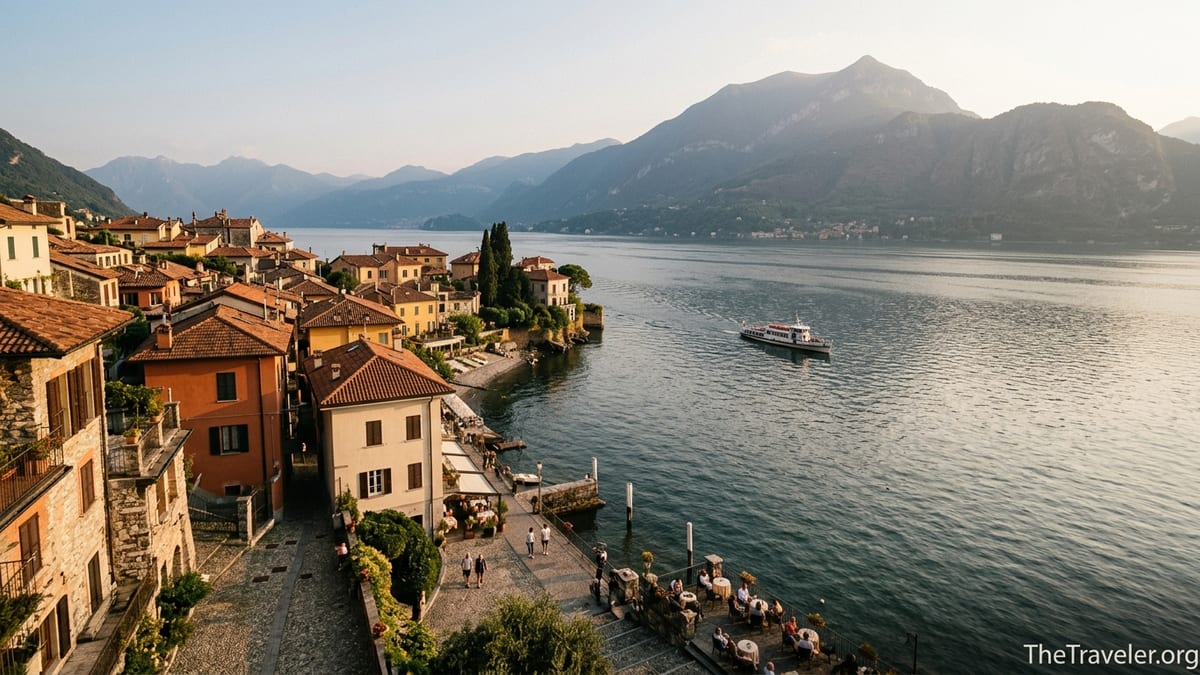
What a Northern Italy Trip Really Costs in 2026
For most travelers in 2026, a realistic full daily budget in Northern Italy, including accommodation, local transport, food, activities and incidentals, typically starts around 110 to 150 euros per person for a careful budget trip if you share a room. Mid range travelers who like central locations, sit down meals and a couple of paid attractions per day usually spend about 180 to 260 euros per person. Luxury trips with upscale hotels in hotspots like Lake Como or central Venice frequently average 350 to 600 euros per person per day or more, especially in peak summer.
These ranges vary by specific destination. A night in August on Lake Como or in Cinque Terre costs significantly more than a night in Turin or Verona in October. Even within a single region such as South Tyrol in the Dolomites, staying inside a famous village like Ortisei will usually be pricier than a guesthouse in a nearby valley, even if both offer similar mountain access.
Seasonality is one of the biggest cost drivers. July and August, plus key holiday periods like Easter and Christmas to New Year, bring higher rates across the board. Shoulder seasons such as late April to early June and late September to late October often deliver better value on hotels and flights, while still offering mostly pleasant weather. Winter in the Alps can be either very expensive in top ski resorts or relatively good value in non ski mountain towns.
The estimates and examples in this guide assume two people sharing a room and paying for separate food and individual tickets where relevant. Solo travelers will pay more per person for accommodation but may spend a bit less on shared items like taxis or bottle service. Families sharing larger apartments can often lower the per person cost of lodging but will see higher overall food and activity spending.
Hotels and Apartments: What You Pay by City and Season
Accommodation will likely be your single biggest expense in Northern Italy. In 2026, a basic but decent double room in many cities such as Milan, Turin, Verona or Bologna typically starts around 90 to 130 euros per night in shoulder season. In prime districts or peak summer, that same category often climbs to 130 to 180 euros. For example, a mid range three star hotel near Milan Centrale station in May often prices around 140 euros for a flexible double room, while in mid September during busy trade fairs it can exceed 200 euros.
Lake and mountain regions command a premium. On Lake Como, a clean two star or simple guesthouse double in towns like Varenna or Menaggio in June can start around 130 to 170 euros, while lakefront three or four star properties frequently run 220 to 400 euros per night. In the Dolomites, a half board three star hotel in Val Gardena in July, including breakfast and dinner, might cost around 200 to 260 euros per night for two, while upscale spa hotels in Cortina d'Ampezzo or Alta Badia often exceed 400 to 600 euros.
Vacation rentals and apartments are widely available on major platforms and can be good value for stays of three nights or longer, especially in cities and larger towns. A one bedroom apartment in Verona or Bologna in October might cost 110 to 160 euros per night, sometimes with a small cleaning fee. In Venice, a compact but central apartment in the San Polo or Cannaregio districts can easily run 180 to 250 euros in May or September. Be sure to watch for additional charges such as tourist taxes that are collected in cash on arrival, which are common in many Italian municipalities and usually add a few euros per person per night.
At the luxury end, iconic properties drive the budget sharply higher. A lakefront five star hotel in Bellagio or Cernobbio on Lake Como in peak season often charges 800 to 1500 euros per night for standard rooms, with suites well above that. In Venice, five star hotels along the Grand Canal can reach similar levels during festivals and the summer high season. If your trip centers on this level of accommodation, setting a daily budget below 500 euros per person will be difficult once food, transport and activities are included.
Trains, Regional Transport and How to Save on Rail
Trains are usually the most convenient way to move between major Northern Italian cities and many lake and coastal areas. High speed services on routes such as Milan to Venice, Milan to Florence or Milan to Rome are operated by companies like Trenitalia and Italo. In 2026, advance purchase fares for a standard class ticket on Milan to Venice can be found from around 25 to 40 euros, while fully flexible last minute tickets frequently cost 50 to 70 euros or more. The journey takes roughly two and a half hours on high speed services.
Intercity and regional trains offer slower but often cheaper options. A regional ticket from Milan to Lake Como towns such as Varenna or Como San Giovanni might cost around 7 to 15 euros, depending on the exact route and class. These trains are usually unreserved, which makes them convenient for flexible itineraries but less comfortable at peak commuter times when they can be crowded. Expect to pay small supplements for seat reservations on certain long distance Intercity services.
Local transport costs in cities are relatively modest. In Milan, a single metro or tram ticket typically costs around 2.20 euros and is valid for 90 minutes, with daily passes around 7. Many travelers find that occasionally using the metro or tram and doing much of their sightseeing on foot keeps daily urban transport costs in the 4 to 10 euro range per person. Venice is an exception since it relies on water buses called vaporetti. A single vaporetto ride can be around 9 euros, but 24 to 72 hour passes offer better value if you will ride multiple times per day.
To keep rail costs down, book high speed tickets several weeks ahead when possible, travel off peak during midday rather than early morning or evening, and mix in regional trains for shorter hops such as Verona to Bologna or Milan to Bergamo. For an eight to ten day northern itinerary that visits Milan, Lake Como, Verona and Venice by train, many travelers spend a total of roughly 120 to 220 euros per person on rail fares, depending on how many legs are booked at discounted rates.
Rental Cars, Fuel, Tolls and Ferries
For accessing the Dolomites, rural wine regions like Piedmont's Langhe or scattered villages around smaller lakes, a rental car can be very useful. In 2026, compact manual transmission cars picked up in Milan or Venice often start around 35 to 60 euros per day when booked in advance outside peak summer, not including insurance extras. Automatic transmission vehicles typically cost more, often 60 to 90 euros per day. One way fees between different cities can add 70 to 150 euros, especially for cross border drop offs, so round trips from the same airport are usually cheaper.
Fuel prices in Italy tend to be higher than in many other parts of the world. Current petrol prices often hover around 1.80 to 2.00 euros per liter, which translates to roughly 7 to 8 euros per gallon. A week of driving moderate distances in the Dolomites or between lakes, perhaps 900 to 1200 kilometers in total, may consume 70 to 100 liters in a typical compact car, costing in the area of 130 to 200 euros in fuel. Mountain driving uses more fuel than flat highway travel, especially if you make frequent short climbs and descents.
Most major Italian highways are toll roads. Driving from Milan to Venice on the A4 motorway, for example, usually incurs tolls around 20 to 30 euros one way, depending on exact entry and exit points. Shorter segments, such as Milan to Bergamo or Verona to Lake Garda, often cost 5 to 10 euros. If you have a multi stop road trip that uses the autostrada most days, it is reasonable to budget 8 to 20 euros per day for tolls. City center parking can also add up. In popular towns around Lake Garda or Como, public parking often runs 2 to 4 euros per hour or 15 to 25 euros per day, and hotel parking is sometimes charged at similar levels.
Lakes in Northern Italy often rely on ferry services that accept vehicles or passengers. Around Lake Como, car ferries link towns like Menaggio, Varenna and Bellagio. A typical short car ferry crossing for a vehicle and two passengers might cost around 15 to 25 euros, while passenger only tickets are usually 4 to 7 euros per person each way. On Lake Garda, passenger ferries connect Desenzano, Sirmione, Riva del Garda and other shore towns, with typical single fares in the 8 to 20 euro range depending on distance. If you plan to explore multiple lake towns in a single day, budgeting 15 to 30 euros per person for ferries is sensible.
Food, Drink, Coffee and Daily Dining Costs
Eating well is often a highlight of any Northern Italy trip, and it does not have to be prohibitively expensive. A quick breakfast at a bar, with a cappuccino and a croissant, typically costs around 3 to 4 euros if you stand at the counter. Sitting at a table, particularly in scenic locations like Venice's Piazza San Marco or a lakefront promenade, can raise the price considerably, sometimes to 8 to 12 euros for the same items due to table service surcharges and location costs.
For lunch, many local cafes and trattorias offer fixed price menus or daily specials. A simple lunch of pasta, a small salad and water might average 12 to 18 euros per person in cities like Turin or Verona. In more touristy hubs such as Venice or Bellagio, this can increase to 18 to 25 euros. Grab and go options like panini shops or pizza al taglio counters remain cheaper, often 5 to 8 euros for a generous slice of pizza or a filled sandwich, making it easy to keep midday food costs under control.
Dinner costs depend heavily on whether you choose house wine and simple dishes or multi course meals at fine dining restaurants. In a typical mid range trattoria in Milan's Navigli district or in Bologna's historic center, a shared appetizer, two pasta or main dishes and a half liter of house wine can come to around 50 to 70 euros for two. In high end restaurants in Venice or around Lake Como, dinner with a full bottle of wine and multiple courses can easily reach 150 to 250 euros for two. Aperitivo culture offers value. In cities like Milan and Turin, many bars provide a generous buffet of snacks with a cocktail for 8 to 14 euros, effectively covering a light dinner.
As a rough guide, budget travelers who are comfortable with bar breakfasts, picnic style lunches and one sit down dinner or aperitivo each day might spend 30 to 45 euros per person per day on food and non alcoholic drinks. Mid range travelers usually land in the 45 to 70 euro range, particularly if they enjoy a glass of wine or two each evening and dessert a few nights per week. Luxury diners visiting noted restaurants, ordering multiple courses and pairing wines should expect daily food and drink spending of 90 to 150 euros per person or more.
Attractions, Cable Cars and Activity Costs
Entrance fees and activities contribute a smaller share of total trip costs than hotels and dining but are worth factoring into your daily budget. In major cities, many churches and public squares can be visited freely, while key sites and museums usually charge entry fees. In Milan, a timed ticket to visit the Duomo rooftop and cathedral together is often in the 20 to 30 euro range per person, and viewing Leonardo da Vinci's Last Supper via a timed reservation can cost around 15 to 20 euros. In Venice, a complete ticket to visit the Doge's Palace and related museums typically falls between 25 and 35 euros.
In lake regions, popular activities include boat rentals and guided tours. A one hour small motorboat rental on Lake Garda or Lake Como without a license requirement might start around 60 to 90 euros per boat, split among two to four people. Guided small group boat tours on Lake Como often cost about 60 to 120 euros per person for two to three hours, depending on group size and what is included. Wine tastings in Piedmont's Barolo or Barbaresco areas frequently range from 15 to 35 euros per person for a basic cellar visit with several pours, while more elaborate tastings with food pairings cost more.
Mountain regions such as the Dolomites introduce another major cost category: cable cars and lifts. A return cable car ticket to high alpine viewpoints like Seceda above Ortisei or the cableways of Cortina d'Ampezzo often costs in the realm of 30 to 40 euros per adult. Some areas offer day or multiday passes that combine several lifts, at prices in the 50 to 70 euro range per person for a day. Ski season brings different pass structures, with full day ski passes in top resorts often exceeding 70 euros per adult, but summer hikers also need to budget for lift access on many classic routes.
Adding all this together, a typical traveler who visits one paid attraction or museum per day, occasionally rides a mountain cable car and perhaps takes one or two boat tours in a week might average 15 to 35 euros per person per day in activity fees across the entire trip. Those planning heavy museum days in multiple cities, several guided tours and frequent cable car use in the Dolomites can easily double that estimate.
Sample Daily Budgets: Budget, Mid Range and Luxury
To bring the numbers together, consider three sample daily budgets for two people traveling in Northern Italy in shoulder season, sharing a room and excluding international flights. A realistic budget level for a couple staying mostly in cities and smaller lake towns, using trains and occasional buses, could look like this. Allocate around 110 to 150 euros per day per person, or 220 to 300 euros total. This might cover a 110 to 150 euro room in a two or modest three star hotel or apartment, 70 to 90 euros for combined food and drinks for two, 20 to 40 euros for trains or local transport and 20 to 40 euros for shared activities or entrance fees.
At a mid range comfort level, many couples find a daily budget of roughly 180 to 260 euros per person, or 360 to 520 euros per day, more appropriate. In this scenario, expect to spend 160 to 240 euros on a comfortable three to four star hotel in good locations, 90 to 130 euros on food and drinks including a mix of restaurants and aperitivo, 30 to 50 euros on transport including some high speed trains or occasional car rental days, and 30 to 60 euros on attractions or special experiences like boat tours or wine tastings. This range allows leeway for some splurge dinners while still maintaining cost control most days.
For a luxury oriented itinerary in hotspots like central Venice, Lake Como and the Dolomites, the daily budget typically rises to 350 to 600 euros per person or more. Two travelers might allocate 500 to 900 euros per day, with 400 to 700 euros going to upscale lakefront or canal side hotels, 150 to 250 euros on fine dining and wine, 40 to 80 euros on private transfers, taxis or business class rail, and 50 to 100 euros on private boat tours, premium tastings or spa treatments. High season dates, especially weekends in July and August, can push actual spending to the upper end of this range.
These sample budgets are not strict rules but starting points. Actual costs depend on your specific itinerary, especially how much time you spend in Venice, Lake Como or prime Dolomites villages versus more moderately priced cities and countryside. A trip that mixes Turin, Bologna and the lesser known Lake Iseo with one or two nights in a marquee destination can deliver a rich Northern Italy experience while keeping the overall average daily spend closer to the mid range or even upper budget range.
The Takeaway
Northern Italy rewards both frugal planners and travelers ready to splurge. By understanding how season, location and transport choices shape your spending, you can design an itinerary that fits your budget without constant stress. Trains make city to city travel simple and affordable, while strategic car rental days open up alpine valleys and wine roads. Apartment stays and bar breakfasts help stretch euros, leaving more room for memorable meals, lake ferries and the occasional cable car to a panoramic summit.
When you total up realistic nightly hotel rates, current rail and fuel prices, restaurant menus and entrance fees, a clear pattern emerges. You can travel comfortably on a budget of a bit over 100 euros per person per day if you choose moderate destinations and watch food and activity costs. Many visitors, though, find that allowing 180 to 260 euros per person offers a satisfying balance of comfort and flexibility. Once you move into luxury hotels and high end dining in iconic hotspots, daily costs can rise quickly, so planning those splurge nights intentionally is key.
With concrete examples in hand, you can now map your own route through Milan, Venice, the lakes, Piedmont and the Dolomites, matching your wish list to a realistic financial plan. From here, sketch out your must see stops, look up current sample hotel rates for your travel month, add in the train, rental car or ferry segments you expect to use and set a daily budget that will let you enjoy Northern Italy without unwelcome surprises when the credit card bill arrives.
FAQ
Q1. How much should I budget per day for a week in Northern Italy on a tight budget?
For a week visiting cities and some lakes by train, many budget travelers manage on about 110 to 150 euros per person per day, sharing simple accommodation, eating some picnics and limiting paid activities.
Q2. Is it cheaper to travel Northern Italy by train or by rental car?
For city focused itineraries, trains are usually cheaper and more convenient. Rental cars become competitive or worthwhile when exploring the Dolomites, rural Piedmont or smaller lakes, but fuel, tolls and parking add significant costs.
Q3. How much does a typical hotel night cost in places like Milan or Verona?
In shoulder season, expect to pay roughly 110 to 180 euros per night for a mid range double room in central Milan or Verona, with higher prices during major events and peak summer.
Q4. What does a day of driving in the Dolomites usually cost?
Including a compact rental car, fuel, tolls where applicable and parking, a full day of driving in the Dolomites often works out to 90 to 150 euros total, depending on distance and the season.
Q5. How expensive are mountain cable cars in the Dolomites?
Return tickets on major summer lifts such as Seceda or Cortina area cable cars typically cost around 30 to 40 euros per adult, with some day passes priced higher for multiple lifts.
Q6. What should I expect to spend on food each day in Northern Italy?
Budget travelers often spend 30 to 45 euros per person per day on food, mid range travelers about 45 to 70 euros and luxury diners 90 euros or more, depending on restaurant choices and drinks.
Q7. Are lake ferries on Como and Garda expensive?
Passenger ferries usually cost between 4 and 20 euros per ride, depending on distance, while car ferries on Lake Como can be around 15 to 25 euros per crossing for a vehicle with two passengers.
Q8. How far in advance should I book high speed train tickets to save money?
Booking high speed tickets a few weeks in advance typically offers the best combination of choice and price, with advance fares between cities like Milan and Venice often significantly cheaper than last minute flexible tickets.
Q9. Do I need a big daily budget for attractions and museums?
Not necessarily. Many travelers average 15 to 35 euros per person per day on paid attractions, with higher costs only if you plan multiple big ticket museums, guided tours and cable cars in a short time.
Q10. How much more expensive is Northern Italy in July and August compared to shoulder season?
In popular areas like Lake Como, Venice and the Dolomites, hotel and some activity prices in July and August can be noticeably higher, often enough to raise an overall daily budget by 20 to 30 percent compared with late spring or early autumn.