

Northern Italy is one of Europe’s most rewarding regions to explore, but it is also one of the most complex to plan. Iconic lakes, Dolomite peaks, vineyard-covered hills and food-obsessed cities are spread across several regions with limited local transport and seasonal crowds. Choosing between an escorted tour, a small-group itinerary, a private driver or fully independent travel can make the difference between a stressful holiday and the trip of a lifetime. This guide explains your main options and shows, with real examples, when organized travel offers better value, access and convenience.
How Northern Italy Fits Together: Lakes, Peaks and Food Valleys
When travellers talk about “Northern Italy,” they are usually referring to three overlapping zones. The first is the lake district, including Lake Como, Lake Garda, Lake Maggiore and smaller basins such as Iseo and Orta. The second is the alpine and Dolomites belt that stretches from South Tyrol and Trentino across the Veneto towards Cortina d’Ampezzo. The third is the food heartland of Emilia Romagna and Piedmont, centered on cities like Bologna, Modena, Parma, Alba and Turin. Each area has its own transport habits and ideal trip style.
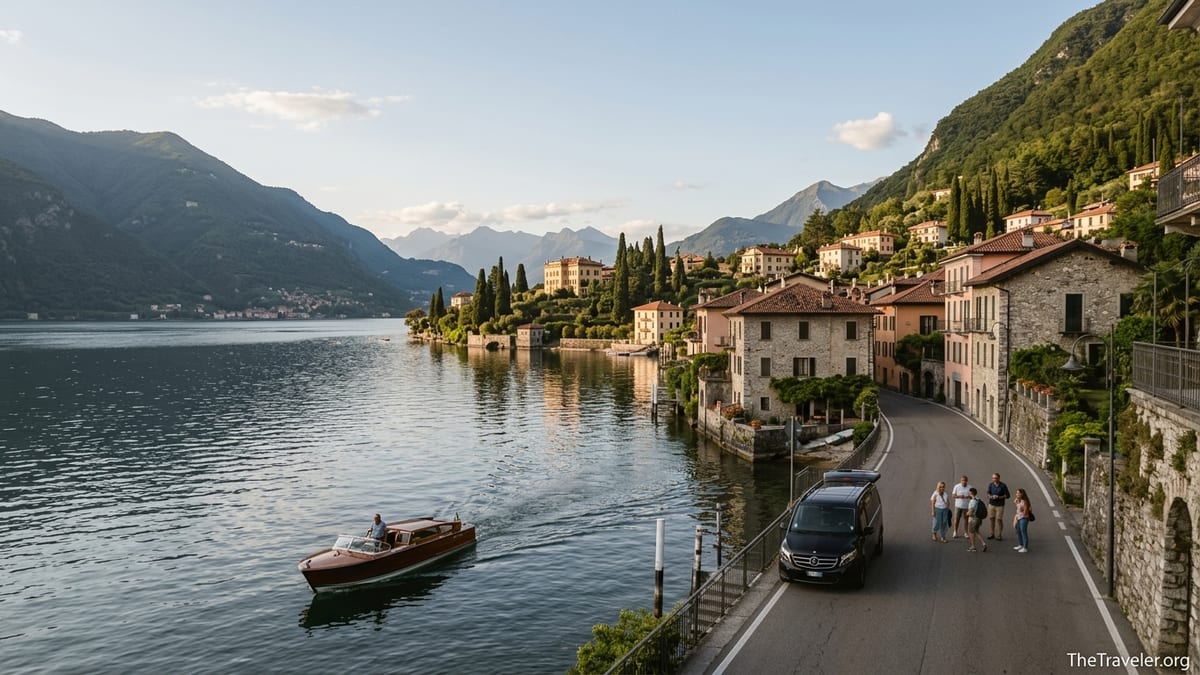
In the lakes, your days often revolve around ferries, small villages and private or shared boat tours. On Lake Como, for instance, it is common to combine the public ferries between Como, Bellagio and Varenna with a one or two hour private wooden boat cruise to reach villas and quieter coves. Many visitors discover that piecing together timetables plus private boats is manageable but time-consuming, which is why coach-and-boat day trips from Milan or Como remain popular.
In the Dolomites, distances look short on the map but driving is slow and mountain weather can be unpredictable. Scenic passes such as Gardena, Sella and Giau are spectacular yet can be crowded in summer and sometimes require winter equipment early or late in the season. Travellers who are not comfortable with alpine driving or changing local bus schedules often find that guided day tours from hubs like Bolzano or Cortina, or multi-day small-group itineraries, remove a lot of stress.
Food regions like Emilia Romagna are spread across countryside and industrial zones that are hard to reach on public transport. A tasting day that includes a Parmigiano Reggiano dairy, a traditional balsamic vinegar loft near Modena and a prosciutto producer near Parma can involve three or four different rural stops. Local tour companies near Bologna now routinely package these with transport, tastings and lunch, because doing it yourself with taxis and trains quickly becomes more expensive and less efficient.
Escorted Coach Tours: Maximum Convenience, Minimum Flexibility
Escorted group tours remain one of the easiest ways to sample several parts of Northern Italy in a single trip. Mid-range and premium operators run 7 to 14 day itineraries that might combine Venice with Lake Garda, the Dolomites and Milan, or link Lake Como and Maggiore with Piedmont wine towns and Cinque Terre. These trips typically include a tour director, a dedicated coach, local guides in major cities, luggage handling in some hotels and a number of group meals.
A typical mid-range escorted itinerary could include two nights on Lake Garda, one or two nights in the Dolomites, and a final stretch in Milan or Verona. You might have a half-day private boat excursion on Garda or Como, a guided walk in Bolzano or Ortisei, and an included dinner with regional dishes. Prices vary widely, but week-long coach tours in Northern Italy with reputable international brands often start around the low to mid four-figure range in US dollars per person, based on two sharing, not including flights.
The main strengths of escorted tours are predictability and ease. Travellers do not have to navigate train strikes, rental car depots or alpine driving, and luggage is loaded and unloaded for them. This appeals particularly to first-time visitors to Italy, older travellers and people who simply do not want to manage daily logistics. The trade-off is that you share your coach with a larger group, usually 24 to 40 people, and your timetable is largely fixed, leaving less flexibility to linger by the lake or add an extra hike.
Escorted tours are most convenient in peak season, from late May to September, when hotel prices around the lakes and Dolomites soar and availability becomes tight. A packaged itinerary may secure central lakefront hotels in towns like Bellagio or Desenzano that individual travellers would struggle to book at a reasonable price. They also work well for multi-country journeys that combine Northern Italy with Switzerland or Austria, where coach travel smooths border crossings and luggage handling.
Small-Group Trips: Slower Pace and Closer Access
Small-group tours, typically capped at 10 to 16 guests, sit between big-bus escorted travel and fully private arrangements. Many specialist operators focus on a single theme such as the northern lakes, walking in the Dolomites or gourmet exploration in Emilia Romagna and Piedmont. The smaller group size allows for boutique hotels, vineyard agriturismi and intimate restaurants that would be impossible with a full coach.
On the lakes and Dolomites, an 8 to 11 day small-group trip might include three nights on Lake Como or Maggiore, two or three nights in the Dolomites and a final stop in Verona or Venice. These tours often feature private boat charters, guided hikes at varying difficulty levels and visits to lesser-known villages. On Lake Como, for example, it is common for such groups to charter a vintage wooden boat for a half-day cruise that includes time to visit villas and lakeside gardens, with a local skipper on board.
Small-group food itineraries in Emilia Romagna or Piedmont work similarly. A week based around Bologna, Modena and Parma might include producer visits, long lunches with wine pairings and time in the historic centres, all with transport by minivan. Because groups are smaller, hosts can often arrange tastings at family-run dairies and acetaie that are not set up for large coaches. Prices for curated small-group food journeys tend to sit above basic escorted tours but below fully private arrangements; they often appeal to travellers who value depth of experience more than the lowest possible price.
This style of travel suits couples, solo travellers and groups of friends who enjoy meeting others but still want a personal feel. It is particularly convenient for Dolomites walking trips and intensive food tours, where a bilingual guide can interpret menus, introduce you to winemakers and adjust the day’s plans around weather or special events such as village festivals or seasonal truffle markets.
Private Drivers and Tailor-Made Itineraries
Hiring a private driver or booking a tailor-made trip with car and driver is the most flexible way to combine Northern Italy’s lakes, Dolomites and food regions without driving yourself. In practice, this often means having a driver guide for key transfer days and long excursions, while you still explore towns on foot and may use trains for some sections.
On the lakes, private drivers are especially useful for guests staying in small towns without direct rail connections. A couple staying in a lakeside village near Bellagio, for example, might arrange a driver to collect them at Milan Malpensa airport, deliver them to their hotel and then return several days later to move them on to the Dolomites or Bologna. Daily rates for licensed drivers vary by season and distance, but travellers can expect, in broad terms, to pay a few hundred euros per full day for a comfortable vehicle and English-speaking driver, with fuel and tolls included.
In Emilia Romagna and Piedmont, a private driver allows you to visit multiple food and wine producers in a single day without worrying about alcohol limits, rural buses or coordinating taxis. A typical day from Bologna might start early at a Parmigiano Reggiano dairy to see the morning production, followed by a balsamic vinegar attic in the hills near Modena and a prosciutto cellar near Parma, finishing with a countryside lunch. Local agencies commonly package these days with tastings and lunch; having a dedicated driver makes the day smoother and safer.
For the Dolomites, some travellers commission private driver guides who are familiar with mountain roads and weather conditions. They handle luggage and know back-up routes if a pass is closed. This is particularly valuable if you are travelling with children, older parents or substantial skiing or hiking gear. While private arrangements cost more than joining a group, they can be cost-effective for families or groups of four or more dividing the daily rate, especially compared with multiple rental cars and parking fees.
Lake Excursions and Boat Tours: When to Join a Group
Boat time is often the highlight of a lakes trip, and the way you organize it shapes your experience. Public ferries on Lake Como, Garda and Maggiore are scenic and inexpensive, and they connect most major villages. For many travellers, combining ferries with a short shared boat tour is enough. Shared cruises of one to three hours that visit several villas and villages are widely available in towns like Como, Bellagio and Desenzano, usually on set routes with commentary.
Private boat tours offer more freedom, privacy and photo opportunities. On Lake Como, for example, a private motorboat with skipper for a couple of hours can cost several hundred euros for the boat, with a higher price for longer or luxury wooden vessels. Some operators sell half-day charters that include time to swim in designated areas and stop for an aperitivo. On Garda and Maggiore, pricing is often similar in structure, with shorter, scenic loops at a lower cost and longer custom cruises at a premium.
Whether a private or shared tour makes more sense depends on your group size and priorities. A private boat might be a stretch for a solo traveller or couple on a tight budget, but once you have four to six people sharing the cost, it can be competitive with high-end shared options and gives you control over the route. Families with young children often appreciate being able to adjust pace, music and swimming stops, something that is more difficult on a large shared vessel.
Organized day trips from Milan or Verona that include bus transfers and a boat segment can be a convenient compromise. These excursions typically bundle coach transport, a guided walking tour of one or two lakeside towns and a shared cruise, at a per-person rate that is straightforward to compare with organizing trains and separate boat tickets. They are particularly useful for travellers who have only one spare day in their schedule and want a simple, all-in-one lakes experience.
Dolomites Tours: Guided Hikes, Scenic Drives and Ski Seasons
The Dolomites can be visited independently by car or public transport, but guided tours help solve two common challenges: complex logistics and rapidly changing conditions. From Bolzano, Cortina or Ortisei, operators offer small-group day trips that combine panoramic passes, cable car rides and short walks suitable for most active travellers. These often include stops at viewpoints such as Seceda or the Sella Pass, plus time in mountain villages where you can sample local Tyrolean-Italian cuisine.
Multi-day Dolomites walking tours, often run as small groups, structure each day around a particular valley or trail. Guests might spend several nights in a base village, using a mix of private minivans and cable cars to reach trailheads, then return to the same hotel each night. In more adventurous versions, guests hike between rifugi, the mountain huts that provide simple lodging and hearty meals. Guides monitor weather, adjust routes and coordinate transfers, making these trips particularly attractive for those new to alpine hiking or travelling without a car.
In winter, ski-focused packages and private guides become more attractive. First-time visitors to the Dolomiti Superski area often appreciate a private instructor or guide who helps them navigate the network of lifts and runs, including iconic circuits like the Sellaronda. Accommodation near lift bases in villages such as Corvara or Canazei sells out months in advance, and tour operators sometimes hold allocations that are otherwise unavailable, which is another instance where organized travel can deliver access that independent travellers cannot easily secure.
Overall, if you are confident driving mountain roads and have several days to spare, hiring a car and exploring independently can be rewarding. If you prefer not to drive or are visiting in shoulder seasons when some local buses and lifts run on reduced schedules, prebooked guided tours or driver-guides provide a welcome safety net.
Food and Wine Experiences: From City Walks to Rural Day Trips
Northern Italy’s culinary centres lend themselves well to guided experiences because many of the most interesting producers are outside city cores. In Bologna, Modena and Parma, food tours range from short city walks to full-day countryside excursions. A typical half-day walking tour might include a visit to historic markets, tastings of mortadella, tortellini, aged Parmigiano Reggiano and local wines, plus stops in traditional cafes and delicatessens. Group sizes are often capped to keep the experience intimate and to fit into small shops and taverns.
Full-day “food valley” tours commonly start early, with transport by minivan from Bologna and surrounding towns. Guests visit a Parmigiano Reggiano dairy while production is underway, then continue to a balsamic vinegar acetaia near Modena and a winery or cured meat producer. These itineraries usually include a countryside lunch featuring regional specialties and wines, with dietary needs arranged in advance. Per-person prices for such days generally reflect the cost of transport, tastings and a multi-course meal, and they can compare favourably with organizing rural taxis and paying for tastings separately.
Similar patterns exist in Piedmont, where small-group wine tours from Alba or Asti include visits to Barolo and Barbaresco cellars, cellar tours with the winemaker and tastings paired with local cheeses and hazelnut specialties. In the Franciacorta and Valpolicella regions, day trips from Brescia, Verona or even Milan offer sparkling and red wine tastings coupled with vineyard walks. Independent travellers can of course rent a car and make appointments directly, but having a driver or guide simplifies route planning and lets everyone in the group enjoy tastings without worrying about driving limits.
Cooking classes add another layer. In Bologna, Lake Garda and the Dolomites, hands-on pasta or regional dish classes are often combined with market visits or cellar tours. These can be booked as small-group sessions or privately for families and friends. For many travellers, a mix of one or two structured food days with ample time for independent restaurant exploration provides a satisfying balance.
Independent Travel: When DIY Makes the Most Sense
Despite the appeal of organized tours, independent travel remains the most flexible and potentially economical way to experience Northern Italy, especially if you are comfortable using trains and booking your own accommodation. The rail network links major cities like Milan, Verona, Bologna, Turin and Venice efficiently, and regional trains reach lake and mountain gateways such as Como, Desenzano, Trento and Bolzano. From these hubs, local buses, ferries and occasional taxis bridge the final distance to lakeside villages and alpine resorts.
Independent travel works particularly well for slow itineraries that focus on one or two bases rather than trying to see everything. Spending four or five nights on Lake Como and another four or five in the Dolomites, for example, allows you to get to know ferry timetables, discover local walks and return to favourite cafes. In cities like Bologna, Verona and Turin, walking and public transport are straightforward, and travellers can build their own “food tours” by visiting markets, bakeries and wine bars with a bit of research and local advice.
The main challenges for independent travellers are seasonality and availability. In July and August, lake and mountain accommodation can be heavily booked, and some of the most atmospheric small hotels and agriturismi may be tied up in group allotments or repeat guests. In shoulder seasons, some cable cars, mountain huts and lake boat services operate on reduced schedules. Careful planning, including checking operating dates and reserving key experiences such as popular boat tours or sought-after restaurants, becomes essential.
Budget also plays a role. While escorted and small-group tours package many inclusions into an upfront price, independent travellers can manage costs by mixing hotel categories, using self-catering apartments and focusing on free or low-cost activities such as lakeside walks, city museums on discount days and picnics. For some travellers, especially those staying longer than two weeks or travelling with older children who need flexible schedules, the control that comes with independent travel outweighs the convenience of a fixed itinerary.
When Organized Travel Offers Better Value and Access
Deciding between a tour and independent travel is rarely all or nothing. Many Northern Italy itineraries blend elements of both. For example, you might travel independently between Milan, Verona and Bologna by train, then join a small-group food valley tour for one day and a guided Dolomites excursion from Bolzano on another. In lakes regions, you could explore one shore on your own using ferries, then treat yourself to a private driver and boat day when moving to your next destination.
Organized travel offers the greatest advantage when logistics are complex or demand is concentrated. High summer in the Dolomites, peak holiday periods on Lake Como and Lake Garda, and festival times in food regions are cases where tour operators’ experience and allocations help secure hotel rooms, guides and restaurant tables that may be difficult for one-off visitors. Families with limited time also benefit from tours that bundle several experiences into a single day, such as visiting multiple producers in Emilia Romagna or combining multiple lakeside towns with a boat cruise and transfers from Milan.
Language and local knowledge are another factor. While many people in Northern Italy’s tourism industry speak English, deeper experiences often rely on local storytelling. A guide who grew up in the area can explain why a particular cheese is made only in one valley or how a traditional mountain festival evolved. For travellers interested in cultural context as much as scenery and food, a day or two with a local guide can add layers of meaning that are hard to replicate solo, even if the rest of the trip is fully independent.
Budget-conscious travellers may discover that a mix of independent days and selected guided experiences yields the best overall value. A private boat charter shared among several friends, a single small-group food tour, and a guided hiking day might be the only prebooked elements in an otherwise self-planned journey. By thinking of tours as tools rather than all-encompassing solutions, you can build a Northern Italy itinerary that matches your comfort with logistics, your appetite for spontaneity and your interest in specialized experiences.
The Takeaway
Northern Italy rewards both planners and free spirits. The region’s lakes, Dolomites and food capitals can be explored entirely on your own, but they are also home to some of Europe’s most compelling guided experiences. Escorted tours simplify multi-stop journeys and peak-season logistics, small-group trips deliver depth and access, private drivers create seamless connections between rural producers and scenic bases, and independent travel keeps your schedule open for discoveries.
The most satisfying itineraries often blend formats. You might arrive in Milan independently, spend several nights on Lake Como using ferries and a shared boat trip, then join a Dolomites hiking day and a full-day food valley excursion from Bologna, all stitched together by train. By understanding the strengths of each style and where organized travel truly adds value, you can design a Northern Italy journey that feels effortless while still leaving room for lakeside strolls, long mountain lunches and that unplanned glass of wine in a village piazza at sunset.
FAQ
Q1. Is it better to visit Northern Italy’s lakes and Dolomites on a tour or independently?
It depends on your comfort with logistics and driving. Confident travellers with time can manage trains, ferries and rental cars, while those who prefer simplicity or are visiting in peak season often appreciate escorted or small-group tours that handle transport, hotels and key experiences.
Q2. Do I need a car to explore Lake Como and other Northern Italy lakes?
No, you can explore major lake towns by train and ferry, but a car or private driver is helpful for smaller villages and combining multiple lakes in a short time, especially if you are travelling with luggage or children.
Q3. How many days should I plan for the Dolomites?
Allow at least three full days if you want to enjoy a mix of scenic drives, cable cars and easy walks. Hikers and skiers often stay a week or more, especially if they join guided walking or ski programs.
Q4. Are private boat tours on Lake Como worth the cost?
For many travellers they are a highlight, particularly if you share the cost among four or more people. Private tours offer flexibility on route, timing and photo stops, while shared cruises and public ferries remain excellent value for smaller budgets.
Q5. What is the advantage of a small-group food tour in Bologna or Parma?
Small-group food tours bundle countryside transport, producer access and tastings into one day, giving you a deeper understanding of regional products such as Parmigiano Reggiano, traditional balsamic vinegar and cured meats than you are likely to gain by visiting shops alone in the city centre.
Q6. When does it make sense to hire a private driver in Northern Italy?
Private drivers are most useful for airport transfers to lakeside or mountain villages, multi-stop food and wine days in rural areas and cross-region transfers where public transport would require multiple changes.
Q7. Can I mix tours and independent travel in one itinerary?
Yes, many travellers book independent rail and hotel arrangements, then add individual guided days for specific experiences such as a Dolomites excursion, a lake boat day or a countryside food tour. This mix often balances flexibility with convenience.
Q8. Is Northern Italy suitable for families with children on organized tours?
Yes, particularly small-group or private arrangements that allow flexible timing and child-friendly pacing. Lakeside stays with boat trips and gentle Dolomites walks work well, and food-focused days can be adapted to simpler tastings for younger travellers.
Q9. How far in advance should I book tours in Northern Italy?
For peak months from June to September and busy periods like local holidays, it is sensible to book popular lake boat tours, Dolomites excursions and food valley days several months ahead. In shoulder seasons, a few weeks’ notice is often enough.
Q10. Are guided tours in Northern Italy good value compared with doing everything myself?
They can be, especially when you factor in transport, entry fees, tastings and the time saved on planning. For budget travellers with flexible schedules, independent travel can be cheaper, while those with limited time often find that selected guided days deliver more experiences with less stress.