


Choosing where to stay in Italy can feel overwhelming. Between classic cities like Rome and Florence, glamorous coasts such as the Amalfi Coast and Cinque Terre, wine‑soaked countryside in Tuscany, and island escapes in Sicily and Sardinia, it is hard to know which area actually fits your style, budget and trip length. This guide breaks Italy down by trip type and explains which concrete cities, regions and resort areas work best for first‑time visitors, couples, families, beach lovers, food travelers, nightlife seekers, luxury stays and both road trip and train‑based itineraries.
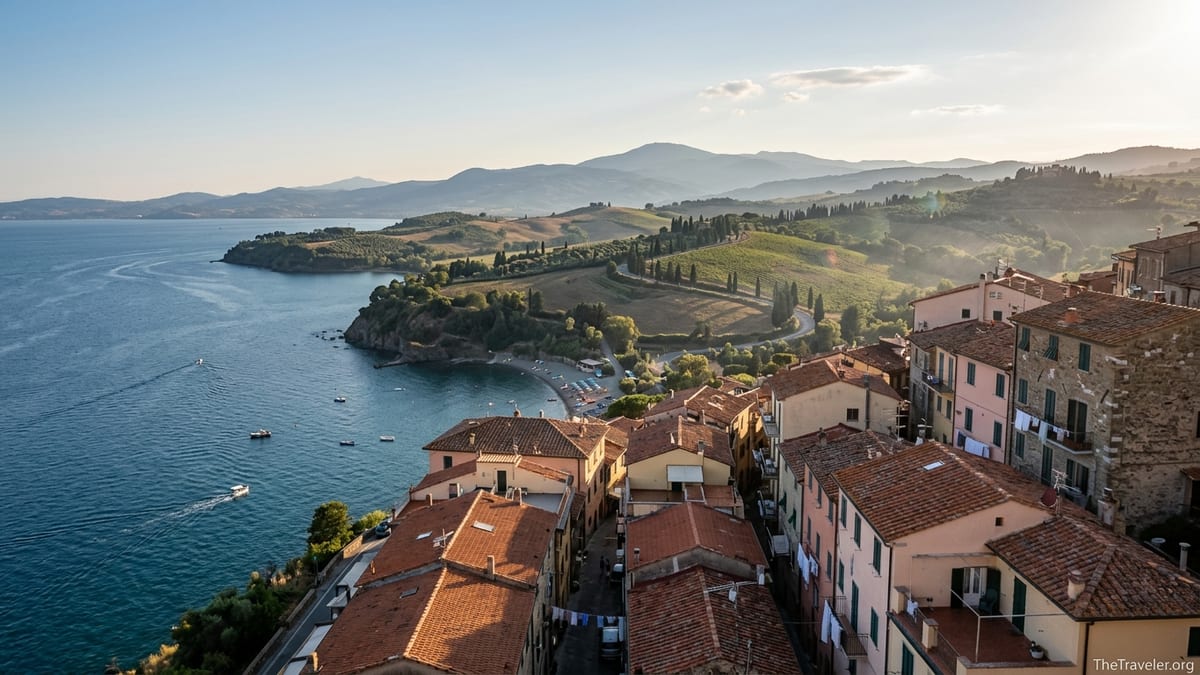
How to Choose Where to Stay in Italy
Before you book anything, decide how many bases you realistically want. For a 7 to 10 day trip, most visitors do best with one or two main hubs, for example Rome plus the Amalfi Coast, or Florence plus the Tuscan countryside. Constantly changing hotels sounds exciting, but in practice check in times, luggage and local transport eat into your sightseeing.
Budget is the next filter. Recent Italian hotel monitor data shows that Venice, Milan and Florence now average around 200 to 250 euros per night for mid to upper midscale rooms in central areas, with Rome slightly below that. In contrast, regional cities and towns, such as Lecce in Puglia or Bologna in Emilia Romagna, still offer double rooms in comfortable three star hotels from roughly 90 to 140 euros in shoulder seasons. Luxury five star properties in hotspots like the Amalfi Coast or Costa Smeralda on Sardinia often exceed 700 euros per night in summer, so it pays to match destination to budget early.
Finally, think about how you plan to move around. Italy’s high speed trains connect Rome, Florence, Venice, Milan, Naples and Bologna efficiently, with routes like Rome to Florence taking around 1.5 hours. Regional trains and buses then fan out to hill towns and coastal areas. If you prefer to avoid driving, base yourself in cities or well served coastal hubs with direct rail, such as Sorrento for the Bay of Naples or Monterosso for Cinque Terre. If you enjoy driving and want remote beaches or vineyards, consider renting a car for Tuscany, Puglia, Sicily or Sardinia.
Once those basics are clear, you can match specific Italian cities and regions to your travel style instead of trying to see everything at once.
Best Bases for First Time Visitors
For a classic first trip, the most efficient triangle is Rome, Florence and Venice, linked by fast trains. Rome works best as a first or last stop because of international flights and iconic sights like the Colosseum, Vatican Museums and Trevi Fountain. Many first timers base near Rome’s Centro Storico or around Piazza Navona to be able to walk to major attractions, with midscale hotels and guesthouses often in the 160 to 230 euro range in shoulder seasons, higher in peak summer.
Florence is compact and ideal if you want Renaissance art without constant transfers. Staying near the Duomo or Santa Croce puts you within a 15 minute walk of the Uffizi, Ponte Vecchio and the main train station. This makes it easy to add day trips to Pisa, Lucca or Siena by regional trains that typically cost under 15 euros one way. Many visitors choose a small four star hotel or design guesthouse here for around 180 to 260 euros per night during spring and autumn.
Venice offers a very different feel, and where you stay matters. First timers who want to be in the thick of it usually book in San Marco or San Polo districts, accepting higher prices and crowds in exchange for being steps from St Mark’s Basilica and the Rialto Bridge. Expect standard doubles in three star properties to start around 180 to 220 euros outside the absolute peak. Budget conscious visitors often choose Mestre on the mainland, where rooms can drop below 120 euros and trains or trams reach central Venice in about 15 minutes.
If you want one less intense base, consider Bologna instead of Florence or Venice. It has an attractive medieval center, excellent food, and quick rail links to Florence, Modena and even Venice, often with lower hotel rates and fewer crowds.
Romantic Stays for Couples
For couples who want romance and views, the Amalfi Coast remains one of Italy’s most desired stays. Towns like Positano, Amalfi and Ravello cling to cliffs above the Tyrrhenian Sea. Hotels here focus on terraces and sea views, from boutique guesthouses around 300 to 450 euros per night to exclusive properties with infinity pools and Michelin starred restaurants that can exceed 1,000 euros per night in July and August. For a softer price point with similar scenery, couples often choose Praiano or Minori, smaller villages along the same stretch of coast.
Cinque Terre on the Ligurian coast is another favorite for couples, with its five colorful villages set between mountains and sea. Monterosso has the largest beach and more resort style hotels, Vernazza and Manarola are especially photogenic, and Riomaggiore offers dramatic harbor views. Because these villages are small, rooms in summer are in high demand, and even simple guesthouses can reach 200 to 300 euros per night. Booking several months ahead is essential for June to September stays.
Inland, couples often look to Tuscany’s countryside. Areas around Montepulciano, Pienza and San Gimignano are dotted with agriturismi, traditional farmhouses converted to small inns that may include breakfast and dinners featuring local wines and olive oil. Nightly rates range broadly, but many comfortable options with pools sit between 150 and 280 euros, especially outside the most saturated weeks of August. Evenings are usually spent watching sunset over vineyards rather than chasing nightlife.
For island romance, consider Capri in the Bay of Naples or the Aeolian Islands off Sicily. Capri’s towns of Capri and Anacapri offer luxury hotels, chic boutiques and famous viewpoints such as the Gardens of Augustus. The Aeolian Islands, particularly Salina and Panarea, balance stylish guesthouses with quieter volcanic landscapes and boat excursions, appealing to couples who want a less crowded feel than Capri in high season.
Family Friendly Cities and Regions
Families generally need easy logistics, outdoor space and flexible accommodation. Lake Garda in northern Italy is one of the country’s most family friendly areas, with resort towns like Peschiera del Garda, Desenzano and Riva del Garda offering waterfront promenades, playgrounds and bike paths. Large camp villages and apart hotels around the southern shore provide self catering options, pools and kids’ clubs, with nightly prices that can be more manageable than isolated hotels, particularly for longer stays.
The Adriatic Riviera between Rimini and Riccione in Emilia Romagna has long catered to Italian families. Wide sandy beaches, shallow water, and a dense cluster of midrange hotels with half board or full board options make it simple to manage meals with children. Many properties offer family rooms or connecting rooms, and package prices in summer often combine accommodation with beach services such as loungers and umbrellas.
For city breaks with kids, consider Rome or Florence combined with a few slower days nearby. In Rome, areas around Villa Borghese or the Prati neighborhood offer larger residential style apartments, easy access to parks and playgrounds, and metro connections. In Florence, staying a little outside the tourist core near the Oltrarno district gives more space and quieter evenings while still being walkable to the main sights. Apartments booked through reputable agencies or aparthotels often give families kitchens and laundry at prices similar to or slightly above a midrange hotel room.
If your family wants beaches and small town feel, Puglia’s Salento peninsula around towns like Otranto, Gallipoli and Santa Maria di Leuca provides clear water and a slower rhythm. Many beach clubs offer shaded cabanas, on site restaurants and playgrounds, and there is a broad choice of villas and small hotels that appeal to multi generational groups.
Best Coastal and Beach Resort Areas
Italy has thousands of kilometers of coastline, and choosing where to stay depends on whether you want glamour, nature, nightlife or value. The Amalfi Coast and Capri are the most photographed, but they are also among the most expensive. Travelers who want similar scenery at a lower price sometimes head further south to the Cilento coast, where small towns and sandy beaches see less international tourism but still offer a mix of small hotels and rental apartments.
Puglia and Calabria have become strong options for beach holidays, with Puglia’s Salento coast and Gargano promontory known for turquoise water and whitewashed towns, and Calabria’s Tropea and surrounding seaside resorts offering dramatic cliffs and sea views. These southern regions tend to have more affordable hotel and apartment prices than the big name coasts, especially outside the busiest weeks of August, although car rental is often needed to reach less developed beaches.
Sardinia is regularly cited among Italy’s top summer regions, thanks to its clear water and mix of resort areas. The northeast’s Costa Smeralda around Porto Cervo and Porto Rotondo concentrates luxury hotels, marinas and beach clubs and typically commands some of the country’s highest rates for seafront rooms. In contrast, southern Sardinia around Chia or Villasimius offers a blend of small hotels, family run guesthouses and resorts at a broader range of price points. With more than 1,800 kilometers of coastline, it is possible to find quieter coves even in high season if you are willing to drive.
On the Ligurian coast, the Italian Riviera from Sanremo through Portofino and down to the Cinque Terre mixes historic seaside resorts with fishing villages. Stays in Santa Margherita Ligure or Rapallo provide access to Portofino by short boat or bus rides, often with better room availability and slightly moderated prices compared to Portofino itself. Travelers looking for a more low key beach week often choose less famous Riviera towns, where three star hotels and family run pensions remain comparatively good value.
Food, Nightlife and Luxury Hotspots
If food is your main reason for visiting Italy, base yourself in or near cities with strong culinary reputations and easy access to surrounding producers. Bologna in Emilia Romagna is a prime example, known for fresh pasta, cured meats and aged balsamic vinegar from nearby Modena. Staying within its historic center puts you within walking distance of traditional osterie, covered markets and cooking schools. From Bologna, day trips by train to Parma, Modena or even the smaller town of Reggio Emilia open up cheese dairies and wineries without needing a car.
Naples is another excellent base for food lovers, particularly for pizza, street food and seafood. Central neighborhoods like the historic center or Chiaia give you access to lively pizzerias and bars, with hotel rates lower on average than Rome or Florence. A typical three star room in a central area might range from 100 to 170 euros in shoulder seasons, leaving more budget for food and excursions to Pompeii, Herculaneum and the islands.
For nightlife, Milan and Rome offer the most consistent year round options. In Milan, the Navigli canals area and Porta Garibaldi district are lined with bars, aperitivo spots and late night clubs. Hotels in these neighborhoods, including modern boutique properties and international chains, typically command business city pricing but often drop on summer weekends when business travel slows. Rome’s Trastevere and Testaccio districts combine trattorias and wine bars with casual late night streetside socializing, which is ideal if you want nightlife at your doorstep rather than long taxi rides.
Luxury seekers often gravitate toward a few specific hotspots. Venice’s canal side palazzi, the Amalfi Coast, Capri, Porto Cervo in Sardinia, and Lake Como’s western shore around towns like Bellagio and Tremezzo host many of Italy’s most prestigious five star hotels and villas. These properties commonly feature private boat services, fine dining, concierge arranged vineyard or yacht excursions and spa facilities. Room rates in high season usually start in the upper hundreds of euros and can escalate into four figures per night for suites with panoramic terraces or direct lakefront access.
Where to Stay for Road Trips vs Train Based Holidays
Travelers planning a road trip should choose regions where driving is practical and parking is available. Tuscany, Umbria, Puglia, Sicily and Sardinia are ideal candidates. In Tuscany, basing in a central town such as Siena, Montepulciano or San Gimignano lets you drive scenic country roads during the day and return to a walkable historic center at night. Many agriturismi offer free on site parking, breakfast included rates and optional dinners, which simplifies logistics after a day of driving.
Puglia and Sicily also reward drivers, as many of their best beaches, archaeological sites and villages lie beyond easy rail connections. In Puglia, a common strategy is to split a week between the Valle d’Itria, in or near white hill towns like Ostuni or Locorotondo, and the Salento coast around Otranto or Gallipoli. In Sicily, pairing a city like Palermo or Catania with time in smaller coastal areas such as Cefalù or towns around the Val di Noto creates a balance between culture and seaside relaxation.
If you prefer a train based holiday, focus on Italy’s main high speed corridor and major regional lines. Rome, Florence, Venice, Milan, Bologna, Verona and Naples are all connected by frequent fast trains. Basing in Florence or Bologna allows for easy day trips to smaller cities such as Pisa, Lucca, Modena and Verona using regional services that typically do not require advance reservations. Many visitors on rail itineraries choose hotels within 10 to 15 minutes’ walk of the main station to minimize transfer times with luggage.
For coastal without a car, the Ligurian Riviera and Cinque Terre, Sorrento on the Bay of Naples and several towns around Lake Garda work well due to their rail or ferry links. Cinque Terre’s villages are connected by a local train line that shuttles between them, while Sorrento is linked to central Naples by a commuter rail service and to Capri and the Amalfi Coast by ferries and buses. When booking, look for properties near stations or harbors to cut down on uphill walks with bags, especially in hillier villages.
The Takeaway
There is no single best place to stay in Italy, only destinations that fit certain styles and budgets better. First time visitors usually get the most from combining at least one major city such as Rome or Florence with either a coastline like the Amalfi Coast or Cinque Terre, or a countryside base in Tuscany or Puglia. Couples often prioritize views and ambience on the Amalfi Coast, in Tuscany’s hills or on islands like Capri and the Aeolian Islands, while families benefit from the space and facilities of Lake Garda, the Adriatic Riviera or apartment stays in major cities plus time by the sea.
Beach enthusiasts now have ever more reason to look beyond the most obvious names to Puglia, Calabria, Sardinia and the less saturated stretches of the Italian Riviera, which can offer excellent swimming and more approachable prices. Food minded travelers will be happiest basing in Bologna, Naples or other regional capitals known for distinctive cuisine, often combining these with day trips to wine or cheese producing areas. Luxury focused visitors continue to flock to Venice, Lake Como, the Amalfi Coast and Sardinia’s Costa Smeralda, where hotels emphasize service and setting over strict value for money.
Ultimately, the most successful Italian itineraries stay realistic in scope, use one to three bases rather than many, and match location to your own priorities, whether that is sunset aperitivo on a cliffside terrace, kids splashing in a shallow Adriatic bay, or hopping between art filled cities by high speed train. Once you define that, choosing where to stay in Italy becomes far simpler and far more rewarding.
FAQ
Q1. Where should I stay in Italy for a first visit of about one week?
For a 7 day first trip, many travelers combine Rome with either Florence or Venice, using high speed trains between them and limiting themselves to two hotel bases to avoid rushing.
Q2. Which Italian coast is best for beaches on a moderate budget?
The Adriatic around Emilia Romagna, plus parts of Puglia and Calabria, usually offer better value than the Amalfi Coast, with wide sandy beaches and many midrange hotels and apartments.
Q3. Is the Amalfi Coast worth the higher hotel prices?
It is worth it if you value dramatic scenery, romantic hotels and boat trips, and are comfortable paying a premium. Travelers on tighter budgets often choose nearby areas like Sorrento or the Cilento coast instead.
Q4. Where is the best place to stay in Italy without renting a car?
Stick to well connected cities and rail linked coasts. Rome, Florence, Bologna, Venice, Milan, Naples, Sorrento, Cinque Terre and Lake Garda towns all work well for train or ferry based trips.
Q5. What Italian regions are best for a countryside and wine focused stay?
Tuscany and Umbria remain classic for vineyards and hill towns, while Piedmont’s Langhe region is excellent for red wines. Many visitors split time between a small agriturismo and a nearby city such as Florence or Turin.
Q6. Which cities are best for nightlife in Italy?
Milan and Rome have the most consistent nightlife, with dense areas of bars and clubs. Naples, Bologna and some coastal resorts like Rimini and Riccione also offer lively evening scenes in summer.
Q7. What Italian destinations are most suitable for families with young children?
Lake Garda, the Adriatic Riviera, parts of Sardinia and family oriented beach towns in Tuscany and Liguria are popular, as are apartment stays in Rome or Florence combined with a few quieter days by the sea.
Q8. How far in advance should I book hotels in popular Italian areas?
For June to September in places like the Amalfi Coast, Cinque Terre, Lake Como and Sardinia, booking several months ahead is wise, especially for weekends or sea view rooms. Major cities can be booked closer, but big events can still fill them early.
Q9. Are agriturismi a good option for first time visitors?
Yes, especially in regions like Tuscany, Umbria and Puglia. They offer rural charm, home cooked food and a sense of local life, but you usually need a car and they are less practical if you want late nightlife or intensive museum hopping.
Q10. What is a good strategy if I want both cities and beaches in one Italy trip?
A common strategy is to start in a city such as Rome, Florence or Naples for three or four nights, then move to a coastal base like Sorrento, Cinque Terre, Puglia or Sardinia for the rest of the trip, keeping the total number of hotel changes to two or three.