

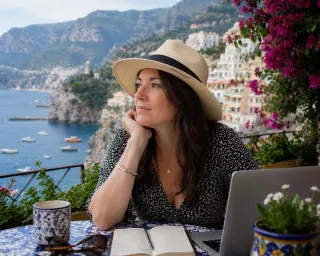
Southern Italy is where volcanoes smoke above baroque church domes, lemon groves tumble toward turquoise coves, and dinner routinely lasts past midnight. For a first-time visitor, the sweep from Naples and the Amalfi Coast to Puglia, Matera, Calabria and Sicily can feel overwhelming. This guide focuses on the essentials: how to connect the major regions, what experiences to prioritize, and the kind of budget, weather and planning choices that will shape a successful first journey.
Understanding Southern Italy’s Regions and First-Time Routes
When Italians talk about “il Mezzogiorno,” they usually mean the southern regions of Campania, Puglia, Basilicata, Calabria and Sicily. For most first-time visitors, that translates into a rough arc: Naples and the Amalfi Coast for energy and views, Capri and Pompeii for iconic day trips, then east to Puglia’s whitewashed towns and Matera’s cave dwellings, with Calabria’s wild coastline and Sicily’s island culture for those with more time. Looking at a map, it is a much larger area than it appears, so trying to do everything in a single 10-day trip often leads to rushed days and long transfers rather than relaxed evenings on a piazza.
A realistic first-time route for 10 to 14 days might combine two or three bases. For example, many travelers start with 3 to 4 nights in Naples or Sorrento for Naples, Pompeii and the Amalfi Coast, then move to 3 to 4 nights in Matera and nearby Puglia, or fly on to Sicily for another 5 to 7 nights. Public itineraries from guidebook publishers and tour operators increasingly recommend focusing either on Campania plus Puglia and Matera, or Campania plus Sicily, rather than trying to weave in every region at once. This approach keeps daily travel segments to a manageable few hours instead of full days spent on trains and buses.
If you have only a week, basing in Naples or Sorrento and adding one secondary base is usually more satisfying than moving every other day. With two weeks, you can reasonably link Naples, Amalfi, Matera and a Puglia base such as Bari or Lecce, or split your time between Campania and Sicily. Road trips that start in Naples and end in Bari or Brindisi are popular because you can pick up a rental car after leaving the Amalfi Coast crowds and drop it before flying or taking a high-speed train back north.
However you structure it, think in terms of clusters rather than individual sights: the Bay of Naples cluster (Naples, Pompeii, Herculaneum, Vesuvius, Capri, Ischia), the Amalfi Coast towns, the Matera and Basilicata interior, the Puglia heel, Calabria’s coasts, and the different corners of Sicily. Choosing one or two clusters that match your interests, whether food, archaeology or beaches, is the fastest way to turn a long wish list into a workable plan.
Naples, Pompeii, Capri and the Amalfi Coast
Naples is the main southern gateway, served by an international airport about 7 kilometers from the center and high-speed trains from Rome in around 1 hour and 10 minutes. The city itself rewards at least two full days: wandering the historic center, visiting the National Archaeological Museum where many of Pompeii’s treasures are kept, and eating pizza at atmospheric spots that locals actually frequent. A simple margherita pizza and a drink in a central pizzeria might cost around 7 to 12 euros, while street food like fried pizza or sfogliatella pastries often runs 2 to 4 euros each, keeping city days surprisingly affordable compared with the coast.
From Naples, the Circumvesuviana commuter train connects you directly with Pompeii and Sorrento for only a few euros per ticket. The ride from Napoli Garibaldi station to Pompeii is under 40 minutes, and continuing on to Sorrento takes about an hour and fifteen minutes. Many first-time visitors do a day trip to Pompeii using this train, spending 3 to 5 hours exploring the ruins with either a licensed guide at the gate or audio guide rentals from the visitor center. Expect entrance tickets in the mid-teens in euros per adult and consider bringing a hat, refillable water bottle and sturdy shoes, as much of the site offers little shade and walking surfaces are uneven.
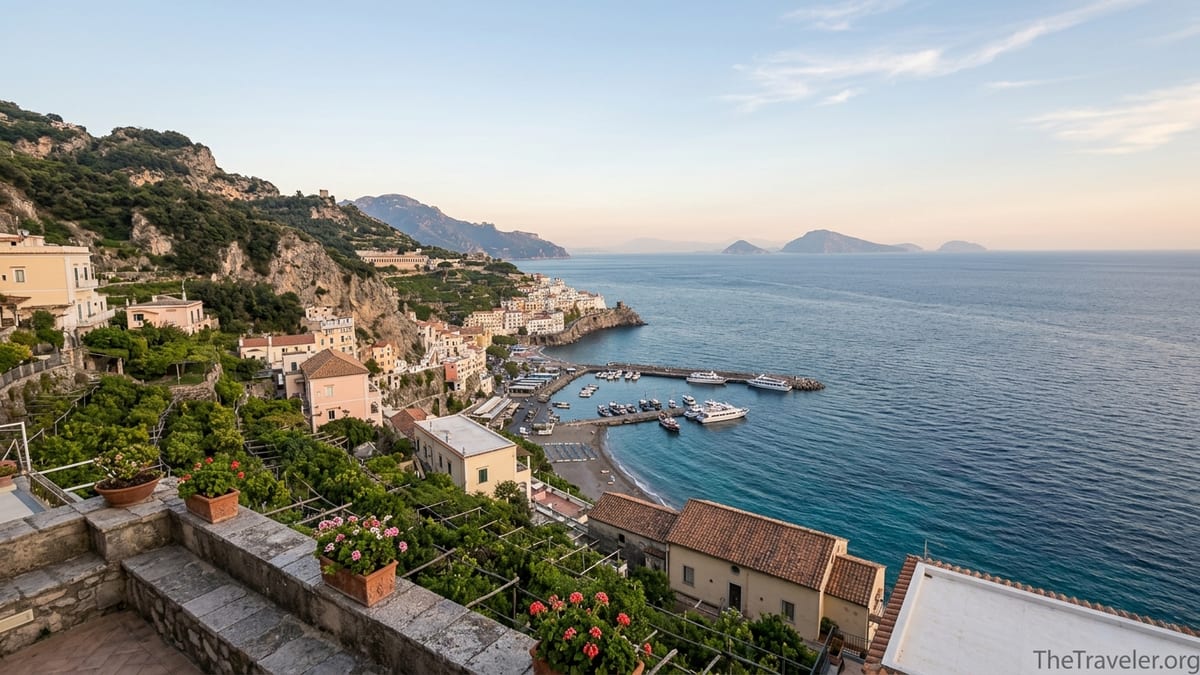
The Amalfi Coast itself runs roughly between Sorrento and Salerno. Sorrento works well as a base for first-timers who do not want to drive narrow cliff roads. In season, ferries connect Sorrento with towns like Positano and Amalfi in under an hour, avoiding the road traffic that can leave buses inching along in July and August. For example, a mid-morning ferry from Sorrento to Positano may take around 40 minutes, with tickets often in the 20 to 30 euro range one way depending on operator and season. Down the coast, local buses link Positano, Amalfi and Ravello, but you should factor in crowding, especially around mid-day in peak months.
Capri works best as an early-morning excursion from Naples or Sorrento to stay ahead of arriving tour groups. Hydrofoils from Naples’ main port or from Sorrento usually take 45 to 60 minutes, with return tickets often starting from roughly 45 to 60 euros depending on the time of day and company. On the island, you can combine a chairlift ride to Monte Solaro for panoramic views, a stroll through the lanes of Capri town, and a coastal walk near Anacapri. The famous Blue Grotto visit is heavily weather-dependent and subject to queues and separate rowing boat fees, so many travelers now treat it as optional rather than essential.
Puglia, Matera and the Quiet South
East of Naples, the landscape gradually flattens into the olive groves and whitewashed towns of Puglia, with the dramatic ravine city of Matera in neighboring Basilicata providing a sharp contrast. Matera has become one of the most talked-about destinations in Southern Italy thanks to its cave dwellings, the sassi. Staying in a cave hotel here is a real highlight if your budget allows. Mid-range cave rooms often start around 120 to 180 euros per night for two people outside the busiest summer weeks, with breakfast in a vaulted stone room and views over the gorge at sunrise.
Puglia itself has several natural bases depending on how you arrive. Bari, with its international airport and ferry port, is a practical hub for travelers relying on trains and buses. From Bari, you can take regional trains to Alberobello to see its conical trulli houses, or south to Lecce with its elaborate baroque facades in honey-colored stone. Those renting a car often choose smaller towns such as Polignano a Mare, Monopoli or Ostuni as a base, which provide easy access to nearby beaches while staying more relaxed than Sorrento or Positano at the height of summer.
Public transport in Puglia is better than many visitors expect but requires some patience. Regional trains and buses exist between major towns, but frequencies can drop on Sundays or in shoulder season. For example, the train ride from Bari to Lecce normally takes around an hour and a half, and a local train from Bari to Alberobello often involves a change and 90 minutes to 2 hours of travel. Renting a car for a few days opens up inland masseria farm stays and small coastal coves where bus services may be sparse or non-existent out of high season.
Compared with the Amalfi Coast, daily costs in Puglia tend to be gentler, particularly on food and accommodation. It is realistic to find pleasant guesthouses in smaller towns from 80 to 130 euros per night for a double room outside August, and a dinner of orecchiette with tomato sauce, mixed antipasti and house wine in a family-run trattoria might come to 20 to 30 euros per person. This makes Puglia appealing for travelers who want long lunches under vine-covered pergolas and late swims without watching every euro.
Calabria and Sicily: Wild Coasts and Island Culture
Calabria, forming the “toe” of Italy’s boot, remains less visited than the Amalfi Coast or Puglia but has a loyal following among travelers seeking quieter beaches, hilltop villages and good value. Towns like Tropea and Scilla on the Tyrrhenian coast offer sandy coves below steep cliffs and clear water in summer. Even in July, prices for sunbed rentals and seafood lunches can feel modest compared with equally beautiful stretches near Positano or Capri. Many visitors combine a few days in Calabria with a crossing to Sicily via the ferry between Villa San Giovanni and Messina, which transports both trains and vehicles across the strait in under an hour dock to dock.
Sicily itself is large enough to fill an entire two-week trip. For a first-time southern itinerary that already includes Naples and perhaps Puglia, focusing on one Sicilian region works better than a loop of the entire island. The eastern side around Catania and Taormina has a good combination of beaches, historic sites and access to Mount Etna. For example, you might base in Taormina for 3 to 4 nights, visiting the Greek Theater with its views across the bay, taking a day trip up Etna with a guide, and spending afternoons on the pebbly beaches at Isola Bella. Further south, Syracuse and the Val di Noto towns such as Noto and Ragusa add elegant baroque architecture and slower evenings beneath flowering balconies.
On the western side, Palermo offers bustling markets and street food like panelle fritters and arancini rice balls that can keep a traveler full for just a few euros. From Palermo, you can take trains or buses to coastal towns like Cefalù with its long sandy beach, or inland to hill towns and wineries. Connecting east and west by car allows you to stop at the Valley of the Temples near Agrigento or stretch out your legs on empty countryside beaches, but driving in Palermo and central Catania demands confidence with dense city traffic.
In both Calabria and Sicily, public transport works for linking larger centers, but timetables can feel thin outside summer, especially on Sundays or in rural areas. Many visitors choose to pick up a rental car after arriving by plane or ferry, then drop it before returning to mainland hubs by train or flight. When comparing rental quotes, remember to factor in one-way drop fees between regions, and always check whether your accommodation has on-site or nearby parking, particularly in historic centers with limited access zones and tight streets.
Beaches, Weather and When to Go
Southern Italy’s beaches range from the pebbly coves of the Amalfi Coast to long sandy stretches in Puglia, Calabria and Sicily. On the Amalfi Coast, beach space is limited and much of it is managed by private lidos that charge for sunbeds and umbrellas in season. In peak summer, a pair of sunbeds and an umbrella in Positano can cost a significant amount per day, while free public sections tend to be crowded from late morning. In contrast, broad public beaches near towns like Gallipoli in Puglia or San Vito Lo Capo in Sicily can feel less compressed, especially if you are willing to walk a little further from the main access points.
Weather strongly shapes the experience. Summers in Southern Italy are hot, with daytime highs in July and August often reaching well into the 30s Celsius across Campania, Puglia, Calabria and Sicily. On windless days in inland towns or at archaeological sites like Pompeii or the Valley of the Temples, it can feel hotter still. As a result, many experienced travelers now plan trips for May, June, September or early October, when sea temperatures are warm enough for comfortable swimming but crowds and prices are generally lower than in August holiday weeks.
In spring, citrus trees blossom along the Amalfi terraces, and hillside hikes such as the Path of the Gods near Agerola can be tackled in cooler conditions, though rain showers remain possible. In autumn, attention turns to harvest events and food festivals in rural Calabria and Sicily, while sea temperatures often remain swimmable into October. Winter trips can work well for city-focused stays in Naples, Palermo or Catania, with mild days and far fewer visitors at major sights, though ferry schedules are reduced and some coastal hotels and restaurants shut entirely between November and March.
Whichever season you choose, pack for layers. In April and October, it is common to need a light jacket in the evenings even by the sea, while a midday stroll through Matera’s sassi or Lecce’s stone streets can feel warm in the sun. Sunglasses, a brimmed hat and sunscreen are crucial in all but the coolest winter months, particularly because many of the most memorable activities, from exploring Pompeii’s streets to hiking coastal trails in Amalfi or Sicily, involve long stretches without shade.
Getting Around, Accommodation and Daily Costs
For first-time visitors, the best approach to transport is usually a mix of trains, ferries and limited driving. High-speed trains link Rome with Naples in just over an hour, and intercity trains continue down to Salerno, Bari and into Calabria. Regional trains connect Bari with Lecce and many Puglia towns, while local lines like the Circumvesuviana handle commuter-level traffic between Naples, Pompeii, Herculaneum and Sorrento. Ferries and hydrofoils are the most pleasant way to move between Naples, Capri, Ischia, Sorrento and Amalfi Coast towns in season, turning what would be a stressful bus journey into a scenic hour on deck.
Driving has clear advantages in Puglia, Basilicata and rural Calabria, where public transport thins out and a car allows you to visit small hill towns, agriturismo farm stays and hidden coves at your own pace. However, on the Amalfi Coast and in central Naples, driving is stressful and parking is expensive or very limited. A common tactic is to avoid a car while in Naples and Amalfi, then rent one at a place like Salerno, Sorrento or Bari for the inland and eastern legs of the journey. When comparing rentals, check for the cost of automatic transmission cars, which can be significantly higher than manual, and factor in tolls, fuel prices, and any fees for crossing to Sicily.
Accommodation options range from city B&Bs above busy streets in Naples to cave hotels in Matera, whitewashed masserie surrounded by olive trees in Puglia, and sea-facing pensions in Calabria and Sicily. In 2026, mid-range travelers commonly report nightly rates from about 90 to 180 euros for a double room in many southern towns outside peak August. On the Amalfi Coast and parts of Capri, this range can shift noticeably higher in high season, with simple sea-view rooms regularly exceeding 250 euros per night. Booking several months ahead for June or September stays along Amalfi or in popular Sicilian resorts usually yields better value and more choice.
For daily costs, a reasonable starting estimate for mid-range travelers is in the area of 130 to 220 euros per person per day, including accommodation, meals, local transport and entry fees, depending on season and specific choices. Those who are comfortable with simpler guesthouses, light breakfasts at a bar, takeaway bakery lunches and a single restaurant meal per day can often keep totals near the lower end, especially in Puglia, Calabria and non-resort parts of Sicily. In contrast, stays in Capri, Positano or Taormina with frequent sit-down meals at waterfront restaurants and private beach clubs will quickly push budgets toward the higher end.
To manage costs without feeling deprived, mix experiences. In Naples, you might start the day with an espresso and pastry at the bar for a few euros, enjoy a street-food lunch of fried seafood or panini for under 10 euros, then reserve one special dinner in a traditional trattoria with shared antipasti, a main course and dessert. On the Amalfi Coast, consider alternating between a paid beach club day and an afternoon on the free section, where you bring your own umbrella and snacks picked up from a small supermarket or deli in town.
Food, Culture and First-Time Planning Tips
Southern Italy is a stronghold of Italian food culture, and sampling regional specialties can structure your trip as much as the sights themselves. In Campania, that means Neapolitan pizza with its soft, blistered crust and buffalo mozzarella from farms inland, along with sfogliatella pastries, seafood spaghetti and limoncello along the Amalfi terraces. In Puglia, expect orecchiette pasta with turnip tops, focaccia Barese studded with tomatoes and olives, and generous antipasti spreads at rural masserie. Sicily adds arancini, cannoli, granita with brioche for breakfast, and grilled swordfish scented with citrus and capers. Many travelers choose to invest in at least one guided food walk in Naples or Palermo to understand how snack stands, markets and small bakeries fit daily life together.
Culturally, Southern Italy feels more informal and sociable than many first-timers expect. Evening life centers on the passeggiata, the pre-dinner stroll, when locals wander main streets and piazzas, chatting and stopping for aperitivo drinks. Joining in is as simple as buying a spritz or glass of local wine and occupying a sidewalk table for an hour. Dress codes in most restaurants are relaxed smart-casual, though beachwear is not appropriate away from the water, and it is polite to cover shoulders when entering churches, especially in conservative rural areas.
For a first visit, it helps to build in downtime rather than stringing together only “must-see” stops. For example, after a full day touring Pompeii and climbing Vesuvius, you might plan the next morning as free time in Sorrento to sit on a terrace with coffee and views across the bay instead of rushing straight to Positano. In Puglia, one of the best afternoons might be simply drifting between a town’s main square, a gelato shop and a shaded bench, watching older residents play cards near the church steps, instead of chasing another town an hour away by bus.
Practical planning details make a difference. Buying timed-entry tickets online in advance for big draws such as Pompeii or the most popular sections of the Amalfi Coast in high season can smooth your days, while reserving seats for intercity trains between Rome, Naples and Bari helps avoid disappointment during Italian holiday periods. Basic Italian phrases are appreciated, especially in smaller towns in Basilicata and Calabria, and carrying some small change in coins is useful for local buses, public restrooms and beach showers. Finally, travel insurance that covers medical care, trip interruption and rental car excess is worthwhile in a region where summer heat, winding roads and ferry-dependent connections can all introduce surprises.
The Takeaway
Visiting Southern Italy for the first time is less about checking off a rigid list of sights and more about finding a rhythm that alternates intense days among ruins and cliff roads with quieter evenings of seafood and sea views. By focusing on a couple of regional clusters, accepting that you will not see everything in one go, and aligning your season, budget and transport choices, you can experience Naples’ energy, Amalfi’s drama, Puglia’s whitewashed calm, Matera’s caves and Sicily or Calabria’s wilder coasts in a single coherent journey.
The rewards are considerable: sunrise over the sassi of Matera, a first glimpse of Capri’s cliffs from the ferry deck, the taste of a still-warm sfogliatella on a Neapolitan street corner, or a swim at dusk on a near-empty Calabrian beach. For many travelers, that first trip south of Rome becomes the starting point of a longer relationship with the Mezzogiorno, returning in different seasons and exploring new corners each time. With thoughtful planning and realistic pacing, your own first journey can set the tone for many returns.
FAQ
Q1. How many days do I need for a first trip to Southern Italy?
For a first visit that includes Naples, the Amalfi Coast and either Puglia, Matera or Sicily, plan on 10 to 14 days. With only a week, focus on Naples plus the Amalfi Coast and a single additional base rather than trying to see all regions.
Q2. Is it better to rent a car or use public transport in Southern Italy?
Public transport is usually best for Naples, Pompeii, Sorrento, Capri and much of the Amalfi Coast, thanks to frequent trains and ferries. Renting a car becomes more useful in Puglia, Basilicata, rural Calabria and much of Sicily, where buses and trains are less frequent and a vehicle makes reaching small towns and beaches easier.
Q3. What is the best time of year to visit the Amalfi Coast, Puglia and Sicily?
Late spring and early autumn are generally ideal. May, June, September and early October usually offer warm weather suitable for swimming, longer daylight and fewer crowds than the peak holiday weeks of late July and August, when heat, prices and traffic all tend to spike.
Q4. How much should I budget per day in Southern Italy?
A mid-range traveler can often plan on spending roughly 130 to 220 euros per person per day, including accommodation, meals, local transport and entry fees. Costs tend to be higher on the Amalfi Coast and Capri and lower in Puglia, Calabria and many inland or non-resort parts of Sicily.
Q5. Do I need to book accommodation and trains in advance?
It is wise to book accommodation well in advance for June to September stays on the Amalfi Coast, Capri, Taormina and other popular seaside towns, as options can sell out or become expensive. For high-speed trains between major cities like Rome, Naples and Bari, reserving tickets in advance often secures better fares and guaranteed seats, especially around weekends and Italian holidays.
Q6. Is Southern Italy safe for solo travelers?
Southern Italy is generally safe for solo travelers who take standard urban precautions, such as keeping valuables secure, avoiding poorly lit areas late at night and being alert to petty theft in busy stations or on crowded buses. Many solo visitors, including women, report feeling comfortable in places like Naples, Lecce, Matera and Palermo when they stay aware of their surroundings and follow local advice.
Q7. Can I visit Pompeii and the Amalfi Coast in one day from Naples?
It is technically possible to visit Pompeii in the morning and continue to Sorrento or Positano for a few hours in the afternoon using trains and ferries, but it makes for a long, busy day. Most travelers find it more enjoyable to dedicate a full day to Pompeii and nearby sites, then plan a separate day for the Amalfi Coast to allow for relaxed walks, swims and views.
Q8. What should I wear when visiting churches and historic sites?
Dress codes are generally relaxed but respectful. Shoulders and knees should be covered when entering churches, and beachwear is not appropriate away from the water, especially in smaller towns. Comfortable closed-toe shoes are recommended for cobbled streets and archaeological sites like Pompeii or the Valley of the Temples.
Q9. Is it easy to find vegetarian or vegan food in Southern Italy?
Vegetarian options are increasingly common, with dishes such as pasta with tomato sauce, eggplant parmigiana, grilled vegetables and pizza marinara without cheese appearing on most menus. Vegan choices require a bit more attention but can usually be arranged by asking for plant-based adaptations, particularly in larger cities such as Naples, Bari or Palermo, where restaurants are familiar with dietary requests.
Q10. Should I try to combine Southern Italy with Northern cities like Florence or Venice on my first trip?
You can combine north and south on a longer itinerary, for instance starting in Rome and Florence and continuing by high-speed train to Naples. However, if you have only 10 to 14 days total, focusing on either northern highlights or a deep dive into Southern Italy often leads to a more relaxed and memorable trip with less time lost to long transfers.