


Southern Italy is one of Europe’s great year-round regions, but the experience you have on the Amalfi Coast, in Puglia, Calabria or Sicily depends heavily on when you go. The difference between April and August can mean 18°C or 38°C days, empty coastal roads or gridlock, half-price hotels or eye-watering peak rates. This guide walks through southern Italy season by season and month by month, focusing on swimming conditions, crowds, prices, road trips and seasonal closures so you can decide exactly when to travel for the experience you want.
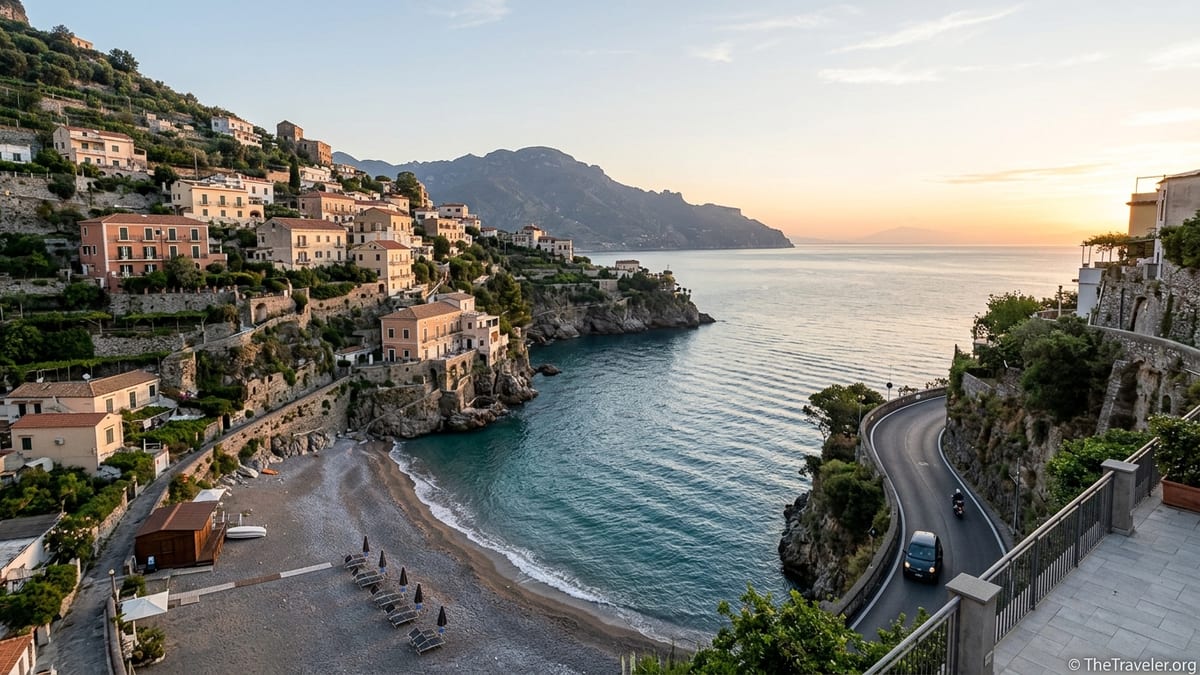
Southern Italy by Season: How the Year Really Feels
Southern Italy has a long, dry, hot summer and relatively short, mild winters. On the Amalfi Coast, average daytime highs climb from around 15°C in March to the high 20s by June and peak close to 30°C in July and August before easing back to the low 20s in October. Sea temperatures lag behind the air, so the water is usually refreshing but swimmable from late May to October, with the warmest water in late summer and early autumn.
Across Puglia, Calabria and Sicily, the pattern is similar but often a notch hotter, especially inland and in Sicily’s southeast. July and August in places like Lecce, Taormina or inland Calabria regularly see 32–35°C afternoons, and August heatwaves can push higher. For beach days this can be glorious if you plan around the midday sun, but for road trips and sightseeing it quickly becomes tiring, especially in stone-built hill towns with little shade.
Tourism follows the weather. High season runs roughly from June to early September, peaking in August around Ferragosto, the nationwide holiday on 15 August when many Italians are also on the move. Shoulder seasons in April, May and October now see strong demand, especially on the Amalfi Coast and in popular parts of Puglia and Sicily, but prices and crowds are still generally lower than summer. From November to March many coastal resorts partly shut down, yet cities like Palermo, Bari, Catania and Salerno stay lively and hotel rates drop sharply.
For most travelers balancing beaches, driving and budget, the sweet spots are late May to late June and late September to mid October. In these windows ferries and beach clubs are operating, the sea is pleasant, and you can still find midrange hotel rooms on the Amalfi Coast for around 150–220 euros instead of 300–500 euros, or a seafront B&B in Puglia for under 120 euros instead of 200-plus in August.
Spring (March to May): Growing Light, Cooler Sea
Spring is the most forgiving season for road trips and hillside exploring. By late April, the Amalfi Coast’s terraced lemon groves are in bloom, wildflowers line rural roads in Puglia’s Itria Valley, and Sicily’s archaeological sites such as the Valley of the Temples near Agrigento are green and fragrant rather than sun-scorched. Daytime highs typically hover between 17–22°C in April and 20–25°C in May across much of the region.
Swimming is possible but not yet at its peak. Sea temperatures along the Tyrrhenian and Adriatic coasts are usually around 16–18°C in April and 19–21°C by late May. On a sunny day in late May you will see people happily swimming at Positano’s Spiaggia Grande or at Cala Porta Vecchia in Monopoli, but in April many beach visits are more about sunbathing and coastal walks than long swims. Puglia’s shallower, more sheltered coves, like those near Torre dell’Orso or Porto Cesareo, tend to feel slightly warmer earlier in the season.
Spring prices and crowds are moderate but trending upward in recent years. In April you can often find double rooms in Amalfi or Ravello in the 140–200 euro range and car hire from Naples airport around 35–45 euros per day if you book ahead. By late May, with more direct flights feeding into Naples, Bari and Catania, demand climbs and midrange hotels in high-demand spots such as Positano, Polignano a Mare or Taormina may already be charging close to early summer rates. Still, restaurants are easier to book, coastal roads are busy but rarely gridlocked, and you can generally park in coastal towns without resorting to ultra-expensive garages.
The main trade-off with spring is unpredictability. March and early April can bring grey days and showers, and on the Amalfi Coast rough seas occasionally cancel ferry services or Capri day trips at short notice. Some lido-style beach clubs in Puglia and Calabria will not yet be fully open in April, especially in quieter resorts. If your priority is scenic driving, hiking the Path of the Gods above Amalfi, or exploring hill towns such as Ostuni, Matera or Erice without heat, spring is ideal. If your priority is reliably warm swimming, late May is the earliest generally safe bet.
Summer (June to August): Classic Beaches, Peak Crowds
From June to August southern Italy delivers the postcard version of the Mediterranean summer. On the Amalfi Coast, ferries and private boat tours run full schedules, every beach club lounger is set out, rooftop bars in Positano and Amalfi hum until late, and cliff roads fill with scooters and convertibles. June usually offers the best compromise, with highs around 26–28°C and sea temperatures climbing through the low 20s, making days on the water comfortable without the oppressive humidity that can arrive later.
By July and August, conditions tilt decisively in favor of hardcore beach lovers. It is not unusual for central Sicily or inland Calabria to reach mid 30s Celsius, and even coastal areas can feel very hot in the afternoons. Beaches from Tropea in Calabria to San Vito Lo Capo in western Sicily and Porto Cesareo in Puglia are packed shoulder to shoulder by late morning. On the Amalfi Coast, queues form for ferries and local buses, and traffic on the cliff road between Positano and Amalfi can slow to a crawl, turning simple drives into 90-minute slogs.
Prices in summer are at their highest. A standard double room at a midrange hotel in Positano that might cost 220 euros in May can easily reach 400–500 euros in late July, and even more at luxury properties. In Puglia, popular beach towns like Polignano a Mare, Monopoli or Gallipoli see B&B rates jump from under 120 euros in shoulder season to 200–250 euros or more. Car rental from Bari or Naples can double in price compared with April, and parking at private beach clubs often runs to 15–25 euros per day in addition to umbrella and lounger fees.
The benefit is that almost everything is open and operating at full tilt. In Puglia’s Salento, summer music festivals and village festas run deep into the night, with events like the Notte della Taranta bringing thousands to small towns. Sicily’s coastal resorts, including Taormina, Cefalù and Giardini-Naxos, showcase outdoor concerts and open-air cinema. If your dream is long, hot beach days followed by late dinners in crowded piazzas and you are prepared for the expense and the crowds, mid June to early July gives a slightly softer version of high season before the Ferragosto peak.
Autumn (September to November): Warm Seas, Softer Light
Early autumn has become one of the most sought-after times to visit southern Italy. In September, the sea is at or near its warmest after the long summer, often around 24–25°C in many coastal areas, and daytime temperatures sit in the mid to high 20s. You can swim comfortably at beaches in Amalfi, swim off the rocks at Sicily’s Isola Bella or float in the shallow turquoise water at Puglia’s Torre Lapillo, often under clearer skies than in midsummer.
Crowds, however, no longer drop off as sharply in September as they once did. On the Amalfi Coast, early September can feel very similar to July in terms of foot traffic and hotel demand, with many North American and European travelers timing vacations around back-to-school schedules. Room rates in Positano or Amalfi might still hover in the 300–400 euro range for midrange hotels, and popular restaurants book out days in advance. By the final week of September and into October, demand usually eases. You are more likely to secure a seaview room under 250 euros, and ferries and coastal buses feel less overloaded while still running useful timetables.
In Puglia and Calabria, September is an excellent compromise month for beach-focused trips. Italian families have generally gone home, leaving more space on long sandy strands such as Lido Marini in Salento or Tropea’s beach in Calabria, yet lido facilities, beach bars and boat rentals mostly stay open until the end of the month. Many visitors report that in Puglia, early October can still bring multiple beach days, especially on the Ionian side, though some seasonal businesses start to wind down and weekday hours may be shorter.
Sicily’s season runs slightly longer, thanks to its more southerly position. Coastal towns like Cefalù, Siracusa and San Vito Lo Capo can still feel busy on sunny weekends in October, and smaller islands such as the Aeolians typically keep regular ferry links and open hotels until early or sometimes mid November, subject to weather. Inland, autumn is harvest time. Driving routes through Puglia’s Valle d’Itria or western Sicily pass grape harvests and olive groves, and agriturismi offer seasonal menus. For road trips and hikes, October’s combination of 20–24°C afternoons, quieter roads and long golden light is particularly appealing.
Winter (December to February): Quiet Roads, Limited Resorts
Winter in southern Italy is mild compared with much of Europe, but it is also the period when classic seaside resorts go into partial hibernation. On the Amalfi Coast, many hotels and beach clubs in Positano, Praiano and Amalfi close between November and March, though larger towns like Salerno and Sorrento remain active with residents and business travelers. Sea temperatures drop to around 14–15°C, and although you occasionally see hardy locals swimming on sunny days, most visitors treat the sea as a backdrop rather than a playground.
Puglia, Calabria and Sicily follow a similar pattern with regional variations. Cities such as Bari, Lecce, Palermo and Catania stay lively year-round, with cafes, restaurants and cultural venues operating normally. Coastal holiday villages, especially those built mostly around beach tourism, can feel sleepy or even shuttered midweek. In parts of Puglia’s Salento or along Calabria’s Costa degli Dei, beachfront lidos remove their facilities entirely, leaving beautiful but empty sands backed by closed kiosks.
The upside to winter is value and atmosphere if you are not focused on beach time. Hotel rates in Palermo or Bari can drop below 80–100 euros per night for central midrange properties, and even in traditionally expensive zones such as Sorrento or Taormina you will find deals unheard of in May or September. Roads are quiet, making it a good time for a slow loop through Puglia’s white towns, a circuit of Sicily’s baroque southeast, or a gastronomic tour through Calabria’s villages without worrying about parking or heat.
Weather, however, is more volatile. You can experience crisp blue-sky days around 12–15°C ideal for wandering through Matera’s sassi or visiting Pompeii from the Amalfi area, but also stretches of rain and occasional storms that disrupt ferry links to islands such as Capri or the Aeolians. If your aim is a winter escape with cultural sightseeing, food and relaxed driving, winter works well. For sea swimming and full-service coastal life, it is the one season to avoid.
Amalfi Coast: Month-by-Month Highlights
On the Amalfi Coast, timing is especially crucial because of the narrow cliff roads and limited capacity of towns like Positano. March and early April feel like pre-season. Some hotels and restaurants are still reopening, ferry timetables are thin, and the sea is cold, but walkers on the Path of the Gods or drivers exploring Ravello’s terraces will find quiet paths and relatively easy roadside parking.
May and June deliver many visitors’ ideal conditions: warm but not oppressive, with lemons in bloom, ferries running, and long evenings on hotel terraces. Sea temperatures are usually in the low 20s by early June, enough for comfortable swims at Maiori’s long sandy beach or from small coves at Praiano. Midrange hotels in less-glamorous but practical bases like Salerno or Minori can still be found around 130–200 euros, significantly cheaper than the often triple-priced clifftop properties in Positano.
July and August bring the region’s famous congestion. Day-trippers from cruise ships and Naples add to overnight guests, creating queues for buses between Amalfi, Positano and Ravello and heavy traffic around hotspots such as the Fiordo di Furore viewpoint. If you do come in this window, basing yourself in Salerno or Vietri sul Mare and using ferries into the heart of the coast helps keep costs down and reduces time spent in traffic. Expect to pay premium rates not only for rooms but also for services such as private boat charters, which can rise from 500–700 euros per day in May to well over 1,000 euros at peak times for popular vessels.
By late September and into October, the mood softens. The sea remains warm enough for daily swims, many beach clubs stay open until at least the first half of October, and evenings are cooler for dining outside. Hotel prices gradually step down, and it becomes more realistic to drive the coastal road or visit hill towns like Scala without fighting for a parking space. From November to February, the appeal shifts to quiet village life, occasional sunny lunches outdoors and using Amalfi as a base for day trips to Pompeii, Naples or Paestum rather than a classic beach holiday.
Puglia, Calabria and Sicily: Comparing Coasts and Drives
Puglia offers some of southern Italy’s best value in shoulder seasons. In late May or late September, you can often find stylish masseria stays with pools near Ostuni or Fasano for 160–220 euros per night, including breakfast, which in Amalfi might buy only a compact standard room. The region’s long coastlines on both the Adriatic and Ionian sides mean you can usually find less crowded spots even in busier months by driving 20–30 minutes away from famous Instagram locations like Polignano a Mare. For swimmers, the Ionian side near Gallipoli and Porto Cesareo tends to have slightly warmer, calmer water into October.
Calabria feels wilder and less commercialized, which has pros and cons across the year. Peak summer brings Italian vacationers to Tropea, Pizzo and the Costa degli Dei, but foreign tourism is still comparatively light, so you are more likely to share a beach with Italian families than with organized tours. Outside July and August, hotel and apartment prices drop rapidly; a seafront apartment in Tropea that might cost 180–220 euros in early August could be closer to 90–120 euros in June or late September. For road trips, Calabria’s mountainous interior makes spring and autumn the most comfortable times, as summer driving on steep, twisty roads in high heat can be tiring.
Sicily, the largest of the three, supports the most varied off-season travel. Coastal resorts such as Taormina and Cefalù are unquestionably crowded and expensive from late June into early September, but cities like Palermo, Catania and Siracusa maintain a baseline level of year-round life. This means that even in November you will find open trattorias, markets and cultural events, plus substantially lower hotel prices. Conversely, August in Sicily is arguably the most intense experience of all the regions: extremely hot, with many small businesses away on holiday and popular beaches like Mondello near Palermo or San Vito Lo Capo packed.
For a combined driving and beach trip that includes all three areas, late May to mid June or late September is ideal. For example, a two-week itinerary in late September might start with a few days in Matera and Puglia’s Valle d’Itria, continue down to Leuca and the Ionian beaches, cut across to Calabria’s Tropea, then finish with a ferry to Sicily’s Messina and a loop through Taormina and Etna’s wine country. In these windows, temperatures are usually manageable for several hours of driving each day, the sea is welcoming, and you can park and wander in old towns without the crush of high summer.
The Takeaway
Choosing the best time to visit southern Italy is really about deciding which compromises you are willing to make. There is no single perfect month that guarantees hot sea, empty coastal roads and rock-bottom prices. Instead, each season tilts the balance between swimming, sightseeing, crowds and cost in a different direction.
If your priority is warm water and long beach days with a more relaxed feel, late June and the second half of September into early October usually work best. For road trips that string together Amalfi, Puglia, Calabria and Sicily, spring and autumn shoulder seasons offer clearer roads, easier parking and more reasonable room rates while still providing plenty of opportunities to swim. Winter brings the sharpest savings and the quietest towns but at the cost of a largely dormant beach scene.
In practical terms, many repeat visitors settle on two windows: late May to mid June when the season is ramping up, and late September to mid October when it is gently winding down. In both, ferries are running, most restaurants and hotels are open, and the sea is either becoming or remaining pleasantly swimmable. From there, fine-tuning your plans to specific regions, festivals and personal heat tolerance will turn a good southern Italy trip into a great one.
FAQ
Q1. What is the single best month to visit the Amalfi Coast for beaches and lower prices?
Many travelers find May or early October the best compromise, with warm days, manageable crowds, lower hotel rates than summer and enough services open for swimming and boat trips.
Q2. When is the sea warmest for swimming in Puglia, Calabria and Sicily?
The water is generally warmest from late August through late September, after heating all summer. In many spots it remains comfortable for most swimmers well into early October.
Q3. Are July and August really too crowded to enjoy the Amalfi Coast?
They can be very crowded and expensive, especially in Positano and Amalfi, but some visitors still enjoy them by booking early, staying in less famous bases such as Salerno or Minori, and relying on ferries instead of driving.
Q4. Is it worth visiting southern Italy in winter if I cannot swim?
Yes. Winter is ideal for lower prices, quiet roads and cultural sightseeing in cities like Palermo, Bari, Naples and Salerno, plus day trips to sites such as Pompeii, Matera and Agrigento without heat or large tour groups.
Q5. Do beach clubs and ferries operate in April and November?
In April some services are running, especially toward the end of the month, but timetables are limited and openings vary by town. By November most beach clubs are closed and many seasonal ferry routes are suspended.
Q6. When should I visit if I want both hiking and swimming on the Amalfi Coast?
Late May to mid June and late September to early October are ideal, with pleasant temperatures on trails like the Path of the Gods and sea conditions usually good enough for daily swims.
Q7. How far in advance should I book summer hotels in Amalfi, Puglia or Sicily?
For July and August, booking three to six months ahead is wise for popular towns such as Positano, Polignano a Mare or Taormina, especially if you want seaview rooms or parking.
Q8. Are rental cars cheaper in shoulder season?
Generally yes. In April, May, late September and October, daily rates from airports like Naples, Bari and Catania are often significantly lower than in July and August, and availability is better.
Q9. Which region is best for a budget-friendly beach trip in shoulder season?
Puglia and Calabria usually offer the best value in late May, June and September, with lower accommodation prices and restaurant costs than the Amalfi Coast and many less-publicized beaches to choose from.
Q10. Will I find enough open restaurants and hotels in coastal towns in March?
Larger hubs such as Sorrento, Bari, Palermo and Catania have plenty open in March, but smaller resort towns may have limited choices. Checking opening dates and focusing on bigger bases helps ensure options.