


Southern Italy delivers the images many travelers carry in their minds when they picture Italy: vertiginous coastal towns clinging to cliffs, stone villages glowing at sunset, vineyards tumbling toward the sea, and long lunches that drift into evening. Turning that dream into a practical itinerary, however, means navigating real questions about cost, logistics, and how much hand-holding you want. This guide compares escorted multi-day tours, regional trips in the Amalfi Coast, Puglia, and Sicily, the role of private drivers, and when paying for organized food and wine or cultural experiences is genuinely worth it compared with fully independent travel.
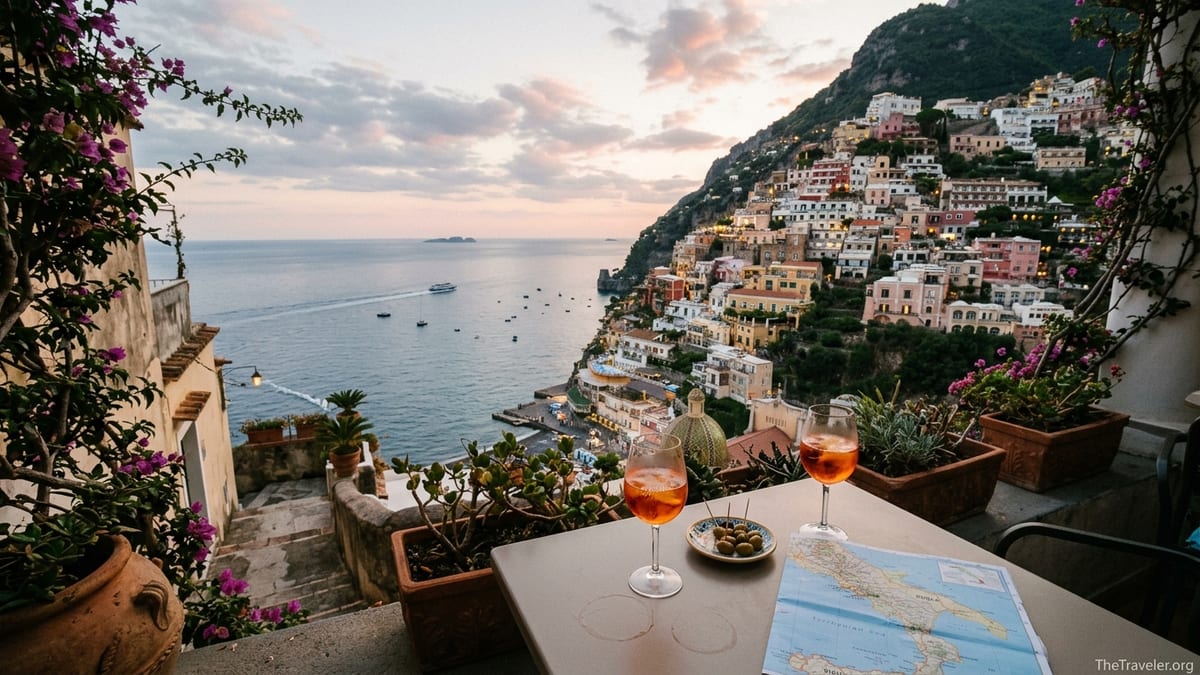
How to Choose Your Southern Italy Travel Style
Before you compare specific Amalfi Coast, Puglia, or Sicily tours, it helps to be honest about how you like to travel. Southern Italy offers excellent local trains in some areas, patchy public transport in others, narrow coastal roads that intimidate even confident drivers, and seasonal crowds that can make simple things like boarding a bus in Positano feel like a contact sport. Your comfort with driving, language, and logistics will shape whether an escorted tour, private driver, or fully independent trip makes sense.
As a broad rule, escorted multi-day tours work best for first-time visitors who want to cover several regions in 10 to 14 days without worrying about timetables or reservations. Independent travel suits repeat visitors, slow travelers, and those focused on one or two areas like Puglia’s Valle d’Itria or western Sicily. Hybrid approaches are increasingly popular: for example, a couple might base themselves independently in Sorrento and then book a small-group Amalfi Coast boat excursion and a private driver for one inland day, while managing everything else on their own.
Budget also matters. A small-group escorted tour that includes quality hotels, many meals, and internal transport in 2025 typically runs from about 3500 to 6000 US dollars per person for 10 to 14 days, depending on hotel category and group size. By contrast, piecing together trains, ferries, and a few carefully chosen private transfers might halve that cost, though you take on more planning and some risk if things go wrong.
Escorted Multi-day Tours: When They Make Sense
Escorted tours in Southern Italy range from large-coach operations with 30 or more travelers to boutique journeys capped at 10 to 14 guests. Companies focused on Sicily, such as Experience Sicily, commonly offer week-long to two-week itineraries with a maximum of around 12 guests, using licensed drivers and guides and featuring themed departures such as photography, walking, or food and wine. A typical 12- to 14-day Sicily itinerary with this style of operator might cost between 4500 and 6500 US dollars per person, often excluding international flights but including most ground transport and several meals.
These tours are especially valuable in Sicily because the island is large, distances are longer than they appear on a map, and some extremely rewarding areas like the Val di Noto, the Madonie Mountains, or wine estates on the slopes of Mount Etna require a car. Escorted itineraries also bundle in experiences that independent travelers might struggle to arrange, such as private vineyard visits with structured tastings, cooking classes in family homes, or after-hours access at heritage sites. Food-focused Sicily itineraries with specialist outfits or wine education groups typically highlight a mix of small family wineries and more established estates, often framing tastings around regional grapes like Nero d’Avola or Etna Bianco and plating them with local cheeses, breads, and olive oils.
On the mainland, multi-day tours that combine the Amalfi Coast with Puglia or Basilicata can be a smart choice if you have 10 to 12 days and want to see Matera, Alberobello, and coastal Puglia without driving. Some specialist operators in Puglia limit their guided groups to about 8 to 12 travelers and use local licensed guides in towns such as Lecce and Ostuni. A typical price point for an 8- to 10-day Puglia and Basilicata small-group itinerary in 2025 sits in the 3500 to 5000 US dollar range per person, reflecting the inclusion of boutique masseria stays, several dinners, and private transport.
The trade-off is flexibility. On an escorted tour you accept a fixed schedule and may have limited free time in places you love. If your dream is to linger for three days in Positano or to spend an extra night tasting wine in Menfi on Sicily’s southwest coast, a template itinerary will not always match your pace. For travelers who enjoy spontaneous detours, a tour can feel constraining, though some premium operators will allow pre- and post-tour custom extensions using the same ground teams.
Amalfi Coast Tours vs Going It Alone
The Amalfi Coast is often the most logistically challenging part of a Southern Italy itinerary. Coastal towns such as Positano, Amalfi, and Ravello are linked by a cliffside road that is scenic but narrow and congested in high season. In 2025 and 2026, various local rules restrict private car traffic on certain days in peak months, driving many visitors toward a mix of ferries, buses, and organized excursions instead of rental cars.
Day tours along the coast are offered in multiple formats. Group boat excursions operate between April and October, with local providers charging in the region of 150 to 200 euros per adult for a full-day shared cruise that calls at Amalfi and Positano and includes time to swim. Some deluxe small-boat departures cap numbers at around 12 guests and cost closer to 190 to 235 euros per person, particularly for routes that include Capri or an extended coastal circuit. These trips are popular because they bypass road traffic, include commentary from local skippers, and often bundle in drinks and light snacks, although they rarely include lunch ashore.
Land-based Amalfi Coast tours range from coach excursions for around 100 to 150 euros per person to fully private driver-guided days. Local car and van services based in the area indicate that an 8-hour private Amalfi Coast tour by sedan in 2025 and 2026 often falls between about 480 and 520 euros, with vans for families or friend groups priced closer to 560 to 600 euros. Those rates usually cover the driver, vehicle, and fuel, but not entrance tickets, guided walks inside monuments, or sit-down lunches.
Independent travelers can get around using SITA buses, regional ferries, and limited local taxis, but reports from recent seasons describe full buses bypassing stops in towns such as Minori and long queues in peak hours. For couples on a tight budget, this is still the cheapest option, especially outside July and August. For families with children, travelers with mobility concerns, or those staying only two or three nights, paying for at least one organized day, whether a small-group boat tour or private driver, often makes the difference between a stressful and a relaxed visit.
Puglia: Guided Itineraries vs Independent Road Trips
Puglia is far less crowded than the Amalfi Coast and is one of the easiest regions in Southern Italy to explore by car. Inland whitewashed towns like Locorotondo and Martina Franca, the trulli houses of Alberobello, and the baroque streets of Lecce are all connected by rural highways that are far less intimidating than Amalfi’s coastal road. This makes Puglia particularly appealing for independent travelers comfortable with renting a car and staying in agriturismi or masserie for several nights at a time.
That said, guided tours in Puglia have grown more sophisticated. Regional outfits led by licensed guides offer customized daily itineraries and multi-day programs for small groups of 2 to 10 people, often combining chauffeur-driven transport with walking tours of historic centers and visits to olive oil estates, cheese producers, or vineyards. Some British and European tour operators run “Authentic Puglia” escorted tours that include Matera, day trips to coastal towns like Polignano a Mare, and tastings of regional specialties such as burrata and Primitivo wines. These itineraries typically bundle 4-star hotels or rural properties, comfortable minibuses, and many guided walks.
From a cost perspective, a couple renting a compact car for a week in shoulder season might spend roughly 400 to 600 euros on the vehicle plus fuel and tolls, then perhaps 100 to 200 euros per night on midrange accommodation. By contrast, a small-group 8- to 10-day Puglia and Basilicata tour at 4000 US dollars per person may initially look expensive, but that price often includes higher-category lodging, many meals, and curated experiences that would be time consuming to arrange independently, such as private olive oil tastings in ancient groves, market visits followed by cooking classes, or farmhouse lunches with local families.
For travelers staying only in one or two Puglian bases such as Ostuni and Lecce, a hybrid model works well. You might self-drive between bases and then book local guides for specific half days, such as a walking tour of Lecce’s baroque churches, or a full-day private driver-guide to visit wineries in Manduria or coastal towns and return you to your hotel without worrying about navigation or drinking and driving.
Sicily: Island-wide Circuits, Food & Wine Tours, and Drivers
Sicily is almost a country in itself. To drive from Palermo in the northwest to Syracuse in the southeast takes several hours, and many of the most atmospheric hill towns and countryside wineries lack easy public transport. For this reason, having a car or a driver is more critical here than in Puglia, and escorted multi-day tours can offer substantial practical value.
Food and wine is a particular strength for organized travel in Sicily. Specialist tour operators, including small Sicilian and international companies, run 7- to 11-day itineraries that combine cities like Palermo, Catania, and Syracuse with vineyard visits on Mount Etna, near Marsala, or in central Sicily. Some premium culinary tours package stays in private villas or 5-star properties with escorted visits to markets, hands-on cooking classes, and tutored tastings at wineries, often starting at around 5000 US dollars per person. Other operators focus on wine education, partnering with sommeliers and wine educators for week-long deep dives into Sicilian grape varieties and appellations.
For independent travelers, Sicily’s regional trains connect major cities such as Palermo, Catania, and Messina, but reaching places like Ragusa, Noto, or smaller coastal villages generally involves buses whose schedules shift seasonally and are less intuitive to navigate in English. This is where hiring a private driver for point-to-point transfers or day trips makes sense. Local driver-guides can bundle stops that would be difficult to string together by bus, such as a day that starts in Taormina, continues to a family-run winery on Etna’s slopes for lunch and tasting, and ends with a late afternoon arrival in Siracusa.
A practical pattern many travelers follow is to rely on trains between a few main hubs and then engage private drivers or day tours around each base. For example, you might travel from Palermo to Cefalù by train, explore the town on foot, then head by train or transfer to Taormina and use an organized Etna and wine day tour from there. Later in the trip, you might use a dedicated Sicily food and wine operator for a 3- or 4-day module that strings together rural experiences that would be cumbersome to organize alone, such as farm stays, cheese-making visits, and olive oil tastings.
Private Drivers in Southern Italy: Costs and When to Use Them
Private drivers, often licensed as NCC (noleggio con conducente) in Italy, occupy an important middle ground between large escorted tours and complete independence. On the Amalfi Coast, recent traveler reports and local operator price lists suggest that hiring a private driver for an 8-hour coastal tour or transfer-heavy day typically costs around 450 to 550 euros for a car suitable for two or three people, and a little more for a van serving four to seven travelers. Some visitors in 2026 report paying about 480 euros in cash for a full day plus around 160 euros for a transfer from Amalfi to Naples airport, which indicates the going rate in high season for reputable local drivers.
In Puglia and Sicily, daily rates vary by distance and vehicle, but it is common for a full-day private driver with a comfortable sedan or van to fall in the range of 350 to 550 euros, especially if the itinerary stays within one province. Longer one-way transfers that double as touring days, such as traveling from Palermo to Agrigento with a sightseeing stop in Cefalù or Enna, may cost more. What you usually gain is not just a car and driver but local knowledge: recommendations for lunch stops, viewpoints, or lesser-known villages that large buses cannot reach, and real-time adjustments if weather or traffic disrupts the plan.
Private drivers offer particular value in three scenarios. First, on short trips, especially honeymoons or anniversary escapes, where couples prefer to maximize relaxation time over budget savings. Second, for multi-generational groups where grandparents, parents, and children travel together and priorities span mobility, naps, and flexibility. Third, when visiting areas with limited or unreliable public transport, including parts of inland Sicily, Gargano in northern Puglia, or smaller Campanian hill towns behind the Amalfi Coast. In those situations, paying for a driver can open up experiences like rural wineries, hilltop villages, or sunset viewpoints that might otherwise be out of reach.
To keep costs manageable, some travelers book a driver for one or two “strategic” days and rely on trains, buses, and walking for the rest of the trip. For example, you might take the train from Naples to Salerno, ferry to Amalfi, and then hire a driver only on your last day to tour Ravello, a winery in the hills, and then drop you at Naples airport. In Sicily, you might combine a private transfer from Catania airport to Taormina with an Etna and winery tour run by the same driver or partner company, sometimes earning a modest discount compared with booking separate services.
Food and Wine Experiences: Tours vs Independent Tastings
Southern Italy is a natural playground for food and wine travel. Campania’s buffalo mozzarella and Amalfi lemons, Puglia’s olive oils and burrata, and Sicily’s wines and street food are worthy reasons to visit on their own. Travelers face a choice between structured food and wine tours and self-directed tastings or restaurant visits. Multiday dedicated food and wine itineraries in Southern Italy often start around 3500 to 5000 US dollars per person for 8 to 11 days, reflecting the inclusion of tastings, special meals, and logistics between rural producers.
On Sicily, official tourism channels maintain lists of accredited food and wine operators that include wineries, oil mills, dairies, and farms that welcome visitors. Many of these producers offer guided tastings, light lunches, or farm-to-table experiences that can be reserved directly. Specialized Sicily wine and food tours combine these visits with cooking lessons, market walks in cities like Palermo or Catania, and strolls through baroque towns, placing food in its cultural context. Educational wine tours may also be led by qualified wine professionals, visiting a curated selection of estates and framing discussions around terroir and local grapes.
In Puglia and the Amalfi Coast area, common organized experiences include olive oil tastings in centuries-old groves, farm visits with cheese-making demonstrations, half-day cooking classes in private homes, and winery tours in regions such as Manduria or Irpinia. Larger international tour operators sell Southern Italy itineraries that highlight food and wine alongside general sightseeing, sometimes including visits to mozzarella farms, chocolate workshops, or countryside villas for hosted dinners.
Independent travelers can often recreate parts of these experiences on their own by contacting wineries or agriturismi in advance. Many estates now provide booking forms in English and publish tasting fees that might range from about 20 to 40 euros per person for a basic tasting with snacks to higher amounts for full meals. The main challenges are driving logistics, especially when drinking, and the need to plan and reserve several weeks ahead in high season. For visitors who value spontaneity and are traveling off-peak, assembling a few self-guided tastings can be an engaging and more affordable alternative to a full food and wine tour.
When Organized Travel Is Worth the Extra Cost
Deciding whether to pay for an escorted tour, regional excursion, or private driver in Southern Italy ultimately comes down to weighing your time, stress tolerance, and travel goals against budget. Organized travel tends to be worth the premium when you are working with limited days, complex logistics, or a group with mixed needs. For example, a 10-day first-time trip that tries to cover Rome, the Amalfi Coast, Puglia, and Sicily is unrealistic without structured logistics; even then, many tour designers would advise focusing on fewer regions to avoid burnout.
If your priority is depth rather than breadth, such as immersing yourself in Sicilian cuisine or Puglian wine for a week, themed small-group tours or customized private itineraries offer access and interpretation that are difficult to match independently. Hosts on these trips often have long-standing relationships with family-run wineries, cheesemakers, or cooks, and can secure visits or menus that are not publicly advertised. This is particularly true around Mount Etna and inland Sicily, where language barriers and rural locations still pose challenges.
On the other hand, independent travel is usually the better choice for repeat visitors returning to favorite regions, slow travelers content with staying in one base for 5 to 7 nights, or budget-conscious couples who are comfortable reading bus timetables and booking trains. With patience and planning, you can stitch together public transport in Puglia and much of Sicily’s coastal corridor, then selectively add paid experiences where they add real value, such as one standout cooking class or a single private driver day to explore hard-to-reach villages.
A realistic compromise for many people is a modular approach. You might plan your own flights, hotels, and some internal trains, then plug in one multi-day module, such as a 5-day Sicily food and wine program or a 4-day Puglia small-group circuit, plus a couple of day tours on the Amalfi Coast. This balances the reassurance and insider access of organized travel with the flexibility and cost control of independent planning.
FAQ
Q1. Is it worth paying for an escorted tour of Southern Italy for a first visit?
For many first-time visitors with 10 to 14 days, an escorted tour is worth it if you want to see multiple regions without managing transport, parking, and reservations yourself. It reduces stress around the Amalfi Coast road, inland Sicily, and intercity transfers, and often includes curated food and wine experiences that can be hard to assemble independently.
Q2. How much should I budget for a private driver on the Amalfi Coast?
Expect to pay roughly 450 to 550 euros for an 8-hour day with a licensed driver in a comfortable car, and more for a larger van. Shorter point-to-point transfers, such as Amalfi to Naples airport, commonly fall in the 150 to 200 euro range, depending on timing and season.
Q3. Do I need a car to enjoy Puglia?
You do not strictly need a car, but having one makes exploring rural areas and smaller hill towns much easier. If you are uncomfortable driving, you can base in towns like Lecce or Ostuni and use local guides and drivers for targeted day trips, or join a small-group Puglia tour that includes transport.
Q4. Is Sicily too difficult to visit without a tour?
Sicily is manageable without a tour if you are prepared to plan carefully, use trains between major cities, and accept slower travel on some bus routes. However, hiring private drivers for a few key days or joining a short food and wine or cultural module can make the trip far smoother, especially if you want to reach rural areas or multiple regions in a limited time.
Q5. Are Amalfi Coast boat tours better than land tours?
Neither is inherently better, but they offer different advantages. Boat tours skip road traffic, provide sea views, and often include swimming, making them ideal in warm months. Land tours with a driver are stronger if you want to visit hill towns like Ravello, vineyards, or inland viewpoints that boats cannot reach.
Q6. When is the best time of year to take food and wine tours in Southern Italy?
Spring and autumn are usually best. April to early June and late September to October offer milder temperatures, harvest or shoulder-harvest seasons in many wine areas, and fewer crowds. High summer can be very hot, especially in inland Sicily and Puglia, which can make long tastings or market walks less comfortable.
Q7. Can I join food and wine experiences if I do not drink alcohol?
Yes. Many wineries and food tour operators offer non-alcoholic options or allow you to attend for the food, scenery, and education without focusing on wine. It is important to mention your preferences when booking so they can adjust tastings or provide alternatives.
Q8. How far in advance should I book tours and drivers?
For peak months such as May, June, September, and early October, it is wise to reserve escorted tours and private drivers 4 to 6 months in advance, and at least 2 to 3 months ahead for key day tours and cooking classes. In shoulder seasons you may find availability closer to the date, but specific small-group departures still sell out.
Q9. Is independent travel always cheaper than organized tours?
Independent travel is often cheaper, especially if you choose simple accommodation, use trains and buses, and limit private transfers. However, once you add midrange or upscale hotels, frequent taxis, and multiple paid experiences, costs can approach those of some small-group tours, which negotiate better hotel and transport rates at scale.
Q10. How many regions can I realistically visit in one Southern Italy trip?
In a 10-day trip, most travelers are happier focusing on two regions, such as the Amalfi Coast and Puglia, or Sicily plus a short stay in Naples or along the coast. Trying to combine the Amalfi Coast, Puglia, and Sicily in a single short itinerary tends to feel rushed unless you work with a specialist who can streamline connections and you are comfortable with several one-night stays.