


Ask ten Italy lovers whether to prioritize the north or the south and you will usually get an emotional answer rather than a practical one. Northern Italy leans Alpine and elegant, with cities like Milan and Venice, lakes such as Como and Garda, and efficient trains. Southern Italy feels warmer and wilder, with Naples, Puglia and Sicily offering dramatic coastlines, intense flavors and a slower rhythm. Both halves are extraordinary, but they deliver very different trips. This guide compares them across cities, beaches, mountains, weather, food, transport, prices and crowds, with specific examples, so you can decide which part of Italy to prioritize as a first-time or repeat visitor.
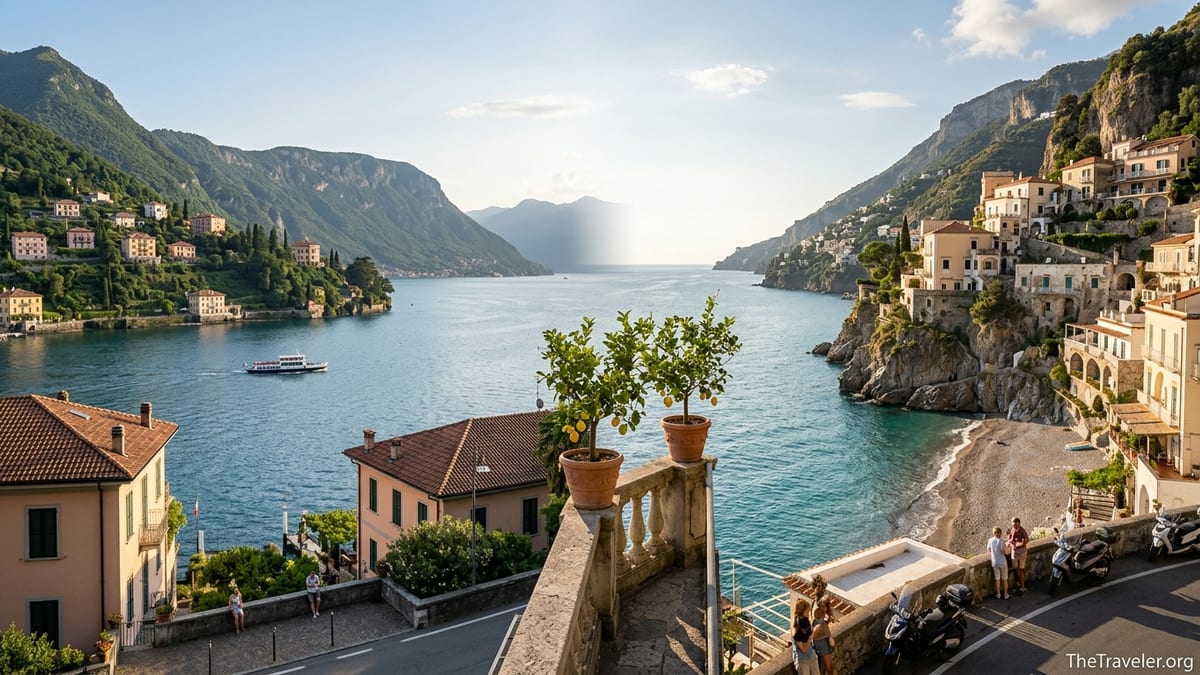
Overall Vibe: Continental North vs Mediterranean South
Northern Italy feels closer to central Europe in mood. Cities like Milan, Turin and Bologna have grand boulevards, elegant cafes and a businesslike pace. In Milan, for example, you can go from the Duomo to a designer showroom in the Quadrilatero della Moda and then board a high speed train to Venice in under three hours. Infrastructure is polished, trains are frequent and on time, and English is widely spoken in the main hubs.
Southern Italy, by contrast, leans into Mediterranean chaos and warmth. Naples, Palermo and Bari are dense, noisy, gripping cities where scooters weave through traffic and street markets spill into narrow lanes. Travelers often describe Naples as “the most fascinating city in Italy,” with laundry strung between buildings, bakeries selling sfogliatelle at dawn and ferries leaving constantly for Capri, Ischia and Procida. It can feel less orderly than the north, but also more spontaneous and emotionally intense.
Landscape shapes the feel of each half of the country. In the north, the Alps and Dolomites rise above the Po Valley, which holds cities like Verona, Parma and Modena. Lakes such as Como, Garda and Maggiore sit in soft, glacial basins fronted by Belle Epoque villas. In the south, the Mediterranean dominates: rocky peninsulas in Campania and Calabria, the long sandy beaches of Puglia, and the volcanic silhouettes of Mount Vesuvius near Naples and Mount Etna above Catania in Sicily.
For many visitors, the choice comes down to whether they want a trip that feels more polished and easy (north) or more raw and romantic (south). Both offer history, art and great food, but the tone is different from the moment you step out of the station.
Cities and Culture: Icons, Museums and Street Life
Northern Italy is dense with blockbuster art cities. Venice, with its canals and palazzi, Florence with its Renaissance galleries, and Milan with Leonardo’s “Last Supper” are all in the northern half of the country or on the north-central line. A classic first-time itinerary might include Venice, Florence and Milan or Bologna in ten days, connected entirely by fast trains. In Florence, Uffizi tickets often sell out days ahead in peak months, and museums are tightly managed with time slots and advance reservations.
Southern cities trade some of that museum polish for atmosphere. Naples offers the National Archaeological Museum, which houses many of the finest finds from Pompeii and Herculaneum, but a huge part of the experience is just walking the Spanish Quarter or Spaccanapoli and watching daily life unfold. In Palermo, visitors divide time between the glittering mosaics of the Palatine Chapel and the Ballarò street market, where vendors shout prices for swordfish and citrus.
For travelers who prize big-name art and architecture with good signage, the north usually wins. Turin’s Egyptian Museum, Venice’s Accademia and the Brera in Milan are set up for international visitors, often with extensive English explanations. For those who care more about immersive street life, religious processions and living traditions, the south can be richer. Easter week in cities such as Naples or in Sicilian towns like Trapani typically includes elaborate processions that dwarf what you see in many northern cities.
It is worth noting that central icons like Rome and Florence often get grouped into either “north” or “south” for planning. In practice, many first-time visitors combine Rome with northern destinations like Florence and Venice if they want an art-heavy trip, or with Naples and the Bay of Naples if they prefer a more southern flavor.
Beaches, Mountains and Road Trips
If beaches are your priority, southern Italy is usually the stronger choice. Puglia’s Salento peninsula, for example, offers long sandy stretches near towns such as Gallipoli, Otranto and Torre dell’Orso, with beach clubs renting loungers and umbrellas from around 20 to 35 euros for two chairs and a parasol in high summer. Sicily provides both sand and rock: the crescent beach at San Vito Lo Capo, the coves of the Zingaro Nature Reserve and pebbly shores around Taormina and Giardini Naxos. Water is generally warmer earlier and later in the year than in the north.
Northern coasts can be beautiful but more mixed in character. Liguria’s Cinque Terre and Portofino area have postcard views and hiking paths linking terraced villages, but beaches are often narrow, pebbly and crowded from June to September. On the Adriatic north of Venice, resorts like Rimini and Jesolo offer wide sandy beaches with hundreds of rows of sunbeds, more comparable to a classic package-holiday setup. These can be fun but feel less wild than many southern stretches.
For mountains and lakes, however, the north is hard to beat. The Dolomites in South Tyrol and Trentino offer jagged limestone peaks, well-marked trails and chairlifts, with base towns like Ortisei, Canazei and Cortina d’Ampezzo. In summer you get alpine meadows, cool nights and serious hiking. Lakes Como, Garda and Maggiore combine mountain views with water sports and easy boat trips. For example, a ferry ride between Varenna, Bellagio and Menaggio on Lake Como can form an effortless day out without a car.
Road trippers will find pros and cons on both sides. Northern Italy’s autostrade are generally in better condition, with efficient service areas and clear signage, making loops such as Milan to Lake Garda to the Dolomites manageable in a week. In the far south, rural roads in parts of Calabria or inland Sicily can be narrower and slower, though still quite doable for confident drivers. Many travelers choose a rental car in Puglia or Sicily specifically to access small coves, hill towns and agriturismi that are hard to reach by bus or train.
Weather, Seasons and Crowds
Weather is one of the biggest practical differences between north and south. Northern Italy’s plains and cities such as Milan, Bologna and Verona have a humid subtropical climate with hot summers and cold, foggy winters. July days often reach around 30 degrees Celsius, but heat can feel heavy, especially away from the lakes and mountains. In winter, temperatures can dip close to freezing, and alpine regions see frequent snow.
Southern Italy, including regions like Campania, Puglia, Calabria and Sicily, generally enjoys a classic Mediterranean climate with hotter, drier summers and milder winters. July and August temperatures around Naples, Bari or Palermo can run into the low to mid 30s Celsius, with strong sun and minimal shade in coastal towns. The shoulder months of May, June, late September and October can be ideal here, warm enough for the beach but not yet oppressive in the cities.
Crowds vary sharply by region and season. Northern hot spots like Venice, Florence and the Cinque Terre attract dense tourism from roughly April through October, with peak congestion when cruise passengers, tour groups and independent travelers overlap. In Venice, for instance, summer days often see packed vaporetti on the Grand Canal and queues for St Mark’s Basilica. Even in winter, these cities remain busy compared with most southern destinations.
The south used to be relatively under the radar internationally, but places like the Amalfi Coast and Capri are now firmly on the global map and extremely crowded from May to September. However, broader southern Italy still sees fewer foreign visitors than the northern triangle of Venice, Florence and Milan. Puglia’s coastal towns, for example, can feel busy in July and August yet far quieter in late spring, and many stretches of Calabria or Basilicata remain relatively uncrowded compared with the north. Travelers who want warm weather and empty-ish beaches increasingly look to early June or late September in the south.
Food, Wine and Daily Costs
Italy’s culinary stereotypes have roots in reality. The north is known for butter, cheese and rich sauces, while the south leans on olive oil, tomatoes and seafood. In Emilia-Romagna, often called the “stomach of Italy,” cities like Bologna, Modena and Parma produce Parmigiano Reggiano, Prosciutto di Parma and traditional balsamic vinegar. A typical trattoria in Bologna might serve tagliatelle al ragù and tortellini in brodo, with a glass of local Sangiovese or Lambrusco. In winter, polenta dishes around the Alps and hearty risottos in Lombardy and Piedmont fit the cooler climate.
In the south, menus change along with the landscape. Naples is the spiritual home of pizza, particularly the classic Margherita cooked in a wood-fired oven. In many neighborhood pizzerias in central Naples, a simple pizza can still cost under 8 to 10 euros, significantly less than in the historic centers of Florence or Venice. Puglia is famous for orecchiette pasta with broccoli rabe, plus fresh burrata cheese from nearby Andria. In Sicily, you will find arancini, caponata and ricotta-filled cannoli in patisseries from Palermo to Catania.
Overall, travelers often find southern Italy a bit cheaper day to day than the north, especially outside the most famous resort areas. A coffee at the counter in a Bari or Lecce bar, for instance, may cost around 1.20 to 1.50 euros, while similar coffee in parts of central Milan or Venice’s main tourist routes can run closer to 1.80 to 2.50 euros. Sit-down dinners in local trattorie away from seafront promenades commonly fall in the 20 to 30 euro range per person without wine in both halves of the country, but southern bills for seafood and fresh produce tend to feel more forgiving.
Wine styles also differ. Northern regions like Piedmont and Veneto specialize in reds such as Barolo and Valpolicella and sparkling Prosecco, while the south offers volcanic wines from the slopes of Etna and robust reds such as Nero d’Avola and Primitivo. Enotecas in both north and south routinely pour house wine by the carafe at approachable prices, so most visitors can enjoy good regional bottles without specialist knowledge.
Transport, Logistics and Typical Prices
Transport is generally easier and faster in northern Italy. High speed rail lines connect Turin, Milan, Bologna, Florence, Rome and Naples, but the density of regional lines in the north makes it particularly convenient to reach secondary cities without a car. For example, you can ride a regional train from Milan to Lake Como towns like Varenna in about an hour, or from Bologna to Parma or Modena in under an hour for modest fares. Trains around the big hubs are frequent, and advance-purchase fares on high speed services can be significantly cheaper than flexible tickets.
In the south, rail coverage is patchier once you leave the main Rome to Naples to Salerno corridor and the Adriatic spine that links cities like Pescara and Bari. Puglia has a decent network of regional lines, some privately operated, but frequencies can be limited on weekends and in rural areas. Sicily’s rail system is improving yet still relatively slow, so many travelers fly into Palermo or Catania and then either hire a car or rely on intercity buses to reach smaller towns and beach areas.
Accommodation prices vary by destination more than by north or south, but some patterns hold. Venice, Florence, Milan, the Cinque Terre and the Amalfi Coast top the price charts, especially from late spring through early autumn. In high season, midrange doubles in central Venice or Positano can easily exceed 250 to 350 euros per night, even for fairly simple properties. By contrast, a pleasant guesthouse or small hotel in a less famous Puglian town such as Monopoli or Ostuni might start closer to 120 to 160 euros per night in shoulder season, rising in August but rarely matching the most famous northern or Amalfi rates.
Within cities, public transport is broadly affordable. Metro tickets in Milan or Naples and bus rides in most urban systems remain under a few euros per journey. Taxis cost more and can be rare in some southern towns, so travelers who do not want to drive may prefer well-connected bases such as Naples, Bari or Catania over scattered rural stays.
Which Region to Prioritize: First-Time vs Repeat Visitors
For a first-time visitor focused on the “postcard” version of Italy, prioritizing the north plus central highlights often makes sense. An itinerary of Venice, Florence and Rome, or Milan, the lakes and Florence, gives you Renaissance art, canals, rolling Tuscan hills and polished hotel and train experiences. If you have 10 to 14 days and want an efficient, low-stress introduction with strong museum infrastructure, the north is generally the better starting point.
However, travelers who care more about warm seas, village life and food rather than museum checklists might be happier starting in the south even on their first trip. A route like Rome, Naples and Puglia, or Naples plus a week split between Puglia and Matera, provides ruins such as Pompeii, coastal towns and distinctive southern cooking. You trade a bit of logistical simplicity for a more Mediterranean character, louder street life and often lower everyday costs.
Repeat visitors often find themselves drawn to the south when they want something that feels more “local” after ticking off Venice, Florence and Rome. Puglia, Calabria, Basilicata and Sicily offer many towns where foreign tourism is still relatively light outside peak summer. For example, a week based in Lecce with side trips to Otranto and Gallipoli can feel markedly more relaxed and less curated than a similar stay in the Cinque Terre or Lake Garda region.
The key is to avoid trying to cover both halves of the country too deeply in a single short trip. Because long distance trains are fast, it is technically possible to go from Milan to Naples in under five hours, but each major region deserves time. Choosing either “north-focused” or “south-focused” and then adding one contrasting stop, such as a few days in Naples at the end of a northern tour, usually works better than zigzagging.
Sample Trip Ideas by Traveler Type
City and culture lovers who enjoy galleries, design and food markets might prioritize the north. A 10 day trip could include Milan for shopping and Leonardo, Bologna for pasta and porticoes, and Venice for canals and churches, connected entirely by train. You can add a day trip to Modena or Parma from Bologna to taste traditional balsamic vinegar and cured meats. The focus here is walkable historic centers, structured sightseeing and comfortable hotels rather than beaches.
Beach-focused travelers with a taste for slower days may want a primarily southern route. Flying into Rome, heading to Naples and then on to Ischia, Procida or the Cilento Coast offers warm water and fewer crowds than the most famous Amalfi towns. Alternatively, flying directly into Bari or Brindisi and spending a week along the Puglian coast near Polignano a Mare, Monopoli and the Salento gives straightforward access to sandy beaches, whitewashed towns and local seafood restaurants.
Outdoor enthusiasts can mix north and south by season. In summer, the Dolomites, Lake Garda and the Aosta Valley in the north provide cooler hiking and cycling, while shoulder seasons in the south are ideal for coastal walks and countryside bike rides in Puglia or along quieter stretches of the Tyrrhenian coast. Winter sports travelers should almost always choose the north, where ski resorts around Trentino and South Tyrol have modern lifts, snowmaking and established resort towns.
Food-obsessed travelers can build trips around specific specialties. A northern route might focus on Piedmont’s wine country, especially in autumn when Alba’s white truffle season begins, combined with Turin’s cafes and chocolate shops. A southern food trip could revolve around Palermo and Catania’s markets, plus time on Etna’s slopes tasting volcanic wines and dishes built around local pistachios and citrus. In both cases, renting a car for a few days broadens your access to small producers and agriturismi.
The Takeaway
There is no wrong answer to the question of whether northern or southern Italy is “better.” They are different enough that choosing one as your main focus will shape the tone, rhythms and costs of your trip. Northern Italy generally offers smoother logistics, milder summer heat in the mountains and lakes, and dense concentrations of marquee museums and polished historic centers. Southern Italy tends to deliver warmer seas, stronger everyday flavors, a lower average bill and a more boisterous, lived-in atmosphere.
First-time visitors who want classic sights and ease of movement often do best prioritizing the north plus central staples like Rome and Florence, perhaps adding a brief taste of the south in Naples. Repeat visitors, or those primarily seeking beaches and food rather than museums, may find that planning around Puglia, Sicily or Campania offers a more distinctive experience at a slightly lower cost. Decide which mix of beaches, mountains, cities, weather and budgets matters most to you, pick one half of the country as your anchor, and trust that whichever you choose, Italy will almost certainly lure you back to explore the other.
FAQ
Q1. Is northern or southern Italy better for a first trip?
For most first-time visitors who want famous art cities, easy train travel and a wide range of hotels, northern Italy plus central highlights like Florence and Rome is the better starting point. Travelers more interested in warm beaches and food than museums might enjoy beginning in the south, especially around Naples and Puglia.
Q2. Where are beaches better, in the north or the south?
Southern Italy generally offers more attractive and varied beaches, with long sandy stretches in Puglia and clear rocky coves in Sicily and Campania. Northern coasts like Liguria and the upper Adriatic have scenic spots, but many beaches are smaller, pebbly or heavily developed with resort rows.
Q3. Is southern Italy really cheaper than northern Italy?
On average, everyday costs such as coffee, simple restaurant meals and some accommodations are a bit lower in the south, especially outside famous areas like the Amalfi Coast. However, price differences narrow in peak summer and in highly touristed towns, so the main savings come in less-known southern destinations.
Q4. Which region has better food, the north or the south?
Both have excellent food, but with different styles. The north excels in rich dishes, cheeses and cured meats, especially in regions like Emilia-Romagna and Piedmont, while the south stands out for seafood, tomatoes, olive oil and iconic dishes such as Neapolitan pizza and Sicilian street food.
Q5. Is it easier to get around northern or southern Italy without a car?
It is generally easier in the north, where high speed and regional trains connect many cities and tourist towns efficiently. In the south, trains and buses work well along some main routes, but reaching smaller villages and beaches often requires more planning or renting a car.
Q6. When is the best time to visit northern Italy vs southern Italy?
Late spring and early autumn are usually ideal for both. In summer, northern lakes and mountains provide cooler air and are popular with hikers, while the south can be very hot but excellent for beach trips. In winter, the north offers skiing and Christmas markets, and the south stays milder but quieter.
Q7. Are crowds worse in northern or southern Italy?
Flagship northern destinations like Venice, Florence and the Cinque Terre are among the most crowded places in the country from spring to autumn. Southern icons such as the Amalfi Coast and Capri are also very busy in summer, but many other southern areas, including parts of Puglia, Calabria and inland Sicily, still see fewer foreign visitors.
Q8. Which side should I choose if I want both mountains and sea?
If mountains are your top priority, choose the north and combine the Dolomites or Alps with lakes like Como or Garda. If you want warm sea and some hills rather than serious peaks, the south works well, particularly coastal regions with nearby inland ridges such as parts of Campania or Sicily.
Q9. Is southern Italy safe for independent travelers?
Yes, in general southern Italy is safe for independent travelers who take normal urban precautions. Petty theft can occur in busy city areas and on public transport in both north and south, so standard measures like watching your bags and avoiding flashy displays of valuables apply countrywide.
Q10. If I have 10 days, is it realistic to cover both north and south?
It is technically possible to visit both halves in 10 days using high speed trains, but you will spend a lot of time in transit. Most travelers enjoy their trip more by choosing either a north-focused route or a south-focused route and adding just one contrasting stop rather than trying to see everything at once.