


Italy offers more ways to explore than almost anywhere in Europe, from fully escorted coach itineraries that sweep you from Venice to Sicily to intimate walking tours through a single Tuscan hill town. Choosing between escorted multi-day tours, small-group trips, private guides, day tours and independent travel can have a bigger impact on your experience than deciding between Florence and Rome. This guide explains the main options, who each one suits best, and where organized tours in Italy genuinely add the most value.
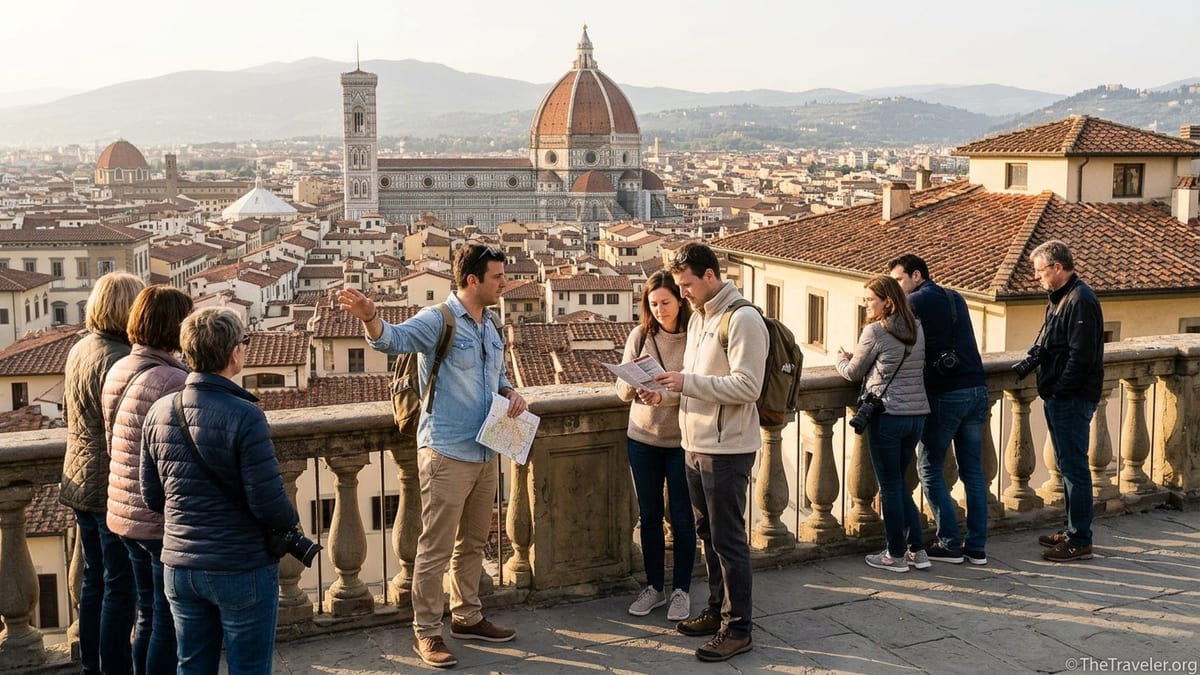
Understanding Your Italy Tour Options
Most organized travel in Italy falls into five broad categories: fully escorted multi-day tours, small-group tours, private tours, day trips and independent travel with no guiding at all. Many travelers mix two or three of these in a single itinerary. For example, a couple might travel independently by train between Rome, Florence and Venice but use small-group or private tours for the Vatican Museums, Uffizi Gallery and a food-focused walk in Bologna.
Escorted tours are multi-day packages where a tour director and local guides handle logistics, transport, hotels and many meals. Companies such as Gate 1 Travel and similar operators offer set departures like 11-day “Romantic Italy” style itineraries that combine Venice, Florence, Rome and often Sorrento, typically including transportation by coach, centrally located but mid-range hotels and some group dinners. These trips appeal to travelers who want a structured experience and minimal planning.
Small-group tours focus on limiting group size, often to 12 to 18 guests, to allow more interaction and flexibility. Operators that specialize in this format in Italy commonly advertise capped group sizes and more immersive experiences such as cooking classes, vineyard visits and neighborhood walks rather than panoramic coach tours. Some are broad itineraries across the country, while others focus tightly on themes such as walking in the Dolomites or archaeological sites in Sicily.
Private tours and day trips are at the other end of the spectrum: you or your party have a guide, and sometimes a driver, to yourselves for a specific city, museum or region. In Italy’s major cities there is a thriving market for private “Rome in a Day” packages with driver and guide, bespoke vineyard days in Chianti or Barolo, or customized outings to Pompeii and the Amalfi Coast. Independent travel uses no formal guiding at all beyond guidebooks, apps and audio guides, but many independent travelers still plug in selected small-group or private tours when queues are long or context matters.
Escorted Multi-Day Tours: Pros, Cons and Real Costs
Escorted tours of Italy typically package transport, hotels, some sightseeing and a portion of meals into one up-front price. Broad analyses of tour offerings across Italy suggest an average cost of around 300 to 350 US dollars per person per day, with lower-priced itineraries closer to 150 to 250 dollars per day and premium or luxury products climbing well higher. Within this price, guests may get coach transportation across multiple regions, a professional tour director, local guides at major sights, daily breakfast and several group dinners.
These trips work especially well for first-time visitors intimidated by train schedules, language barriers or the idea of navigating large cities with luggage. A typical escorted itinerary might start in Venice, continue through Florence and Tuscany, and end in Rome over 9 to 12 days. Travelers are met at the airport, transferred to the hotel, and follow a clear daily schedule that blends guided tours with a few free afternoons. For older travelers, those with limited mobility, or anyone who wants to avoid handling logistics, this level of structure can be a relief.
There are trade-offs. Group sizes on mainstream escorted tours can range from roughly 30 to over 45 guests, which limits spontaneity and can make some sightseeing feel rushed. Large groups may enter the Vatican Museums or Colosseum at set times on fixed routes, spending less time lingering at favorite rooms or viewpoints. Hotel choices may prioritize coach access and group contracts over boutique charm. Escorted tours can also mean early starts and limited flexibility if you discover that you love, for instance, Florence and would gladly skip a later excursion.
Escorted tours make the most sense for travelers who value convenience, predictability and the social aspect of group travel. They are particularly efficient for covering long distances, such as including both northern cities like Venice and southern regions like Sorrento or Sicily in a 10 to 14 day trip. If your priority is depth in one or two cities, smaller-group or independent options may offer better value and more authentic experiences.
Small-Group Tours: When Fewer People Make a Big Difference
Small-group tours take the escorted model and shrink the group, often to 10 to 18 travelers. This shift changes the feel of a trip. With fewer people, guides can adjust to group interests, restaurants can be more local and atmospheric, and logistics like boarding trains or boats are faster. Many Italy specialists that market small-group itineraries emphasize maximum group sizes around a dozen travelers and departures timed to shoulder seasons for a less crowded experience.
Pricing for small-group tours is usually somewhat higher than large escorted tours because fixed costs are spread across fewer people. A 14 to 18 day cultural itinerary for older travelers that includes multiple regions, for instance, can be priced in the low five figures in US dollars for a single room, reflecting upgraded hotels, included entrances, many group meals and the services of expert guides. On the other hand, shorter small-group itineraries, such as one-week “Taste of Tuscany” trips, can stay closer to mid-range budgets.
In Italy, small-group formats particularly shine for itineraries built around walking, food and wine or archaeology. A small-group walking trip in the Cinque Terre or Amalfi Coast can use local trails and family-run inns that would not accommodate a large coach group. In Sicily or Puglia, a specialist cultural tour operator with small groups may include privately arranged visits to lesser-known Greek theatres, farm stays or artisan workshops. For food-focused travelers, a small group of 10 around a table in Bologna is inherently different from a group of 45 in a banquet room.
Small-group tours suit travelers who like the social aspect of meeting others but still want a sense of intimacy and flexibility. They are ideal for solo travelers who want company and reduced single supplements. They also work well for active travelers who want structured hiking or cycling without having to research every route and timetable. If your budget stretches to it, a small-group Italy tour can be a sweet spot between value and experience.
Private Tours and Tailor-Made Itineraries
Private tours in Italy range from a two-hour private Colosseum visit to fully tailor-made itineraries spanning two weeks or more. In Rome, for example, a comprehensive private “Rome in a Day” touring package that combines a licensed guide with a driver for hotel pick-up, sightseeing around the city, and skip-the-line access to key sites is typically priced in the high hundreds of euros for two people, sometimes approaching or exceeding one thousand euros depending on inclusions and season. Other private offerings, such as a half-day private drive to several basilicas or catacombs, can cost around 900 euros for one or two guests plus smaller add-on charges per additional person.
Private day trips from Rome to other cities or regions tend to be among the most expensive touring options but provide maximum control. A private day by train to Florence with a guide, or a chauffeur-driven day along the Amalfi Coast with stops in Positano and Ravello, can run to four figures in US dollars for a couple once private transport, guiding and site tickets are included. Similarly, private city introductions in Venice or Florence for two to six people can easily cost several hundred to over a thousand dollars for a few hours of guiding, particularly when they include premium experiences such as after-hours museum entry.
When you scale this format up to an entire itinerary, bespoke trips that cover Rome, Florence and Venice with four-star hotels, private transfers, private guides at major sites and some special experiences can start at several thousand euros per person for a week and climb from there. Specialist destination management companies in areas like Sicily, the Lakes or the Dolomites also build high-end private programmes with extras such as vineyard lunches, boat charters, helicopter transfers or exclusive access to estates, targeted at affluent travelers.
Private arrangements offer obvious advantages: complete control over pace, the ability to focus heavily on specific interests like Baroque art or contemporary wine, and no need to wait for other guests. They are particularly useful for families with young children who need flexibility, multigenerational trips where mobility levels differ, or travelers with accessibility needs who benefit from a guide who can adapt on the spot. The trade-off is cost. For many visitors, the sweet spot is a largely independent itinerary with a handful of carefully chosen private experiences in places where they care most about depth or comfort.
Day Trips and City Tours: Adding Structure to Independent Travel
Even travelers who book their own flights, trains and hotels often rely on day tours to unlock specific Italian experiences. In popular destinations, small-group day tours offer a way to skip lines, understand what you are seeing and avoid logistical headaches. In Rome, for example, small-group Vatican Museum and Sistine Chapel tours commonly include timed entrance tickets and a licensed guide who navigates the crowds, typically for a mid-range per-person fee that rolls ticket costs into the tour price.
In Florence and Venice, one-day small-group or semi-private tours that cover the Uffizi Gallery, Accademia or major lagoon sites are widely available, often falling in the ballpark of roughly 150 to 200 US dollars per person for a comprehensive full-day programme that includes museum entries and guiding. In many cases these tours cap group sizes to small numbers, occasionally as low as six guests, which allows the guide to move quickly around busy galleries or through narrow calli in Venice.
Italy’s classic day-trip destinations also lend themselves to organized excursions. Examples include coach or minivan tours of the Amalfi Coast from Sorrento or Naples, guided day trips from Florence into Chianti or Val d’Orcia with winery tastings, and full-day outings to Pompeii and Mount Vesuvius with archaeological guides. Some travelers balk at the early starts and structured stops, but for one-day visits to places that are awkward to reach by public transport, these tours can be far more efficient than trying to coordinate multiple buses, ferries and regional trains.
Shorter themed experiences, such as pasta-making classes in Bologna, truffle hunting near Alba in season, or evening food walks in Rome’s Trastevere district, also fit into this category. They can be booked as part of a package or individually, and provide local contact without committing to a full escorted tour. For independent travelers, sprinkling two or three such experiences through a trip often delivers the best of both worlds: unstructured days to wander, interspersed with deeper dives led by local experts.
Independent Travel in Italy: Freedom With a Learning Curve
Independent travel in Italy remains the default for many visitors, and it rewards those willing to handle their own logistics. Broad budget analyses suggest that a comfortable mid-range independent trip, without organized touring, might average a couple of hundred US dollars per person per day once hotels, food, trains and local expenses are counted. Budget-conscious travelers who opt for simple accommodations, use more self-catering and focus on a few cities can often spend much less, while high-end independent trips that layer in five-star hotels and private drivers can surpass the cost of many escorted tours.
Trains connect major Italian cities efficiently, and for straightforward routes such as Rome to Florence or Florence to Venice, booking your own high-speed tickets is usually simple. Within cities, travelers rely on taxis, rideshare services where available, trams and buses. Navigating this web demands some comfort with maps, schedules and basic Italian phrases, although English is widely spoken in tourist areas. Online booking platforms allow you to reserve timed tickets for major sights like the Colosseum or Uffizi in advance, reducing the need for tours purely as a line-skipping tool.
The main challenges of independent travel in Italy are cognitive load and time. Planning a two-week itinerary that balances big-name cities with smaller towns, slots in rest days and accounts for train or ferry timetables can feel like a second job. Once on the ground, you must troubleshoot delays, cancellations or strikes. Those who enjoy trip planning and problem-solving often find this energizing and rewarding. Others find that the constant decision-making and logistics detract from the pleasure of being on holiday.
Independent travel suits visitors who like to wander side streets, linger in cafés and change plans spontaneously. It is particularly good for repeat visitors who no longer feel pressure to see every major museum. For first-timers who prefer structure, or those traveling with limited time, combining independent travel with either day tours or a short small-group itinerary can provide a more comfortable introduction.
Who Benefits Most From Each Type of Tour?
Matching the right format to the right traveler is more important than finding the “best” tour overall. Fully escorted tours tend to suit older travelers, people who are anxious about foreign languages or unfamiliar transport systems, and those with limited time who want to see as many headline sights as possible in one trip. These travelers might prefer waking to a printed daily schedule and following a guide rather than negotiating for taxis or deciphering train departures.
Small-group tours often appeal to culturally curious travelers who value depth over breadth. Retired professionals who have time and budget to travel for two or three weeks at a stretch, solo travelers who want company at meals and on excursions, and couples who like structured activities but dislike large crowds often gravitate to these trips. They appreciate itineraries that include experiences such as private after-hours museum visits, local tastings, or walks through lesser-known neighborhoods.
Private tours and tailor-made itineraries are ideal for travelers with specific interests, limited sightseeing windows or complex needs. Families with young children can schedule touring around nap times and build in gelato breaks without worrying about a group. History enthusiasts can spend hours with a specialist guide at the Forum or in Ravenna’s mosaics without feeling rushed. Travelers with mobility or dietary requirements can work with planners and guides to adapt routes and restaurant choices accordingly.
Day tours work best as modular building blocks for independent itineraries. They are invaluable where access is restricted, context is complex, or logistics are awkward. For instance, a day trip to Pompeii is greatly enhanced by a trained archaeological guide, while driving or bus logistics along the Amalfi Coast can be stressful for newcomers. Meanwhile, independent travel works best for flexible, confident travelers, especially those on longer trips who can absorb occasional delays and missteps without feeling that precious sightseeing hours are slipping away.
Where Tours Offer the Most Convenience in Italy
Some parts of Italy lend themselves naturally to independent travel, while others reward you for paying extra for organized help. The Rome, Florence, Venice triangle is relatively easy to manage alone thanks to fast trains and dense tourist infrastructure. In these cities, tours add the most value at specific crowded or complex sights: the Vatican Museums, Colosseum and Roman Forum in Rome, the Uffizi and Accademia in Florence, and key churches or palaces in Venice. Short guided visits here can provide both access and interpretation while leaving the rest of the day open.
By contrast, regions with sparse public transport or winding coastal or mountain roads are strong candidates for organized touring. The Amalfi Coast and much of rural Tuscany fall into this category, as do parts of Sicily and the Dolomites. For example, an organized day trip along the Amalfi Coast from Sorrento, with a driver who knows the road and a guide who manages timings in Positano and Ravello, removes the stress of parking and unfamiliar traffic patterns. In Sicily, small-group or private tours can simplify routes between archaeological sites, baroque towns and vineyards that are awkward to link by bus or train in a day.
Another area where tours are particularly useful is when access rules are complicated or capacity-controlled. The Vatican Museums, some underground or rooftop sections of the Colosseum, certain catacombs and popular island excursions around Capri or the Cinque Terre often have limited daily allocations or timed entry systems. Many small-group and private operators secure slots well in advance and bundle them with guiding. Booking such a tour can be more straightforward than navigating ticket portals in Italian or dealing with sold-out time slots.
Finally, tours offer convenience in busy peak months when crowds and heat can sap energy. In July and August, having a guide who manages pacing, arranges shaded rest stops and knows the nearest café with air conditioning can significantly improve the experience. It is also in these high-demand periods that line-skipping access and early-morning or evening tour options are most valuable.
The Takeaway
There is no one best way to tour Italy, only a best way for your budget, tolerance for planning and travel style. Escorted multi-day tours and small-group itineraries provide structure and social connection, at the cost of flexibility. Private tours deliver maximum control and comfort for those prepared to pay a premium. Day trips and city tours are the workhorses of many independent itineraries, smoothing over the hardest logistical or interpretive challenges. Fully independent travel rewards those who enjoy research and on-the-ground decision-making.
In practice, the most satisfying trips to Italy often combine formats. A traveler might start with a week-long small-group cultural tour in Sicily to gain context, then continue independently through Rome and Florence with a few carefully chosen day tours. Another might plan a largely do-it-yourself journey through the north but hire a private guide for a single day focused on Renaissance art. Thinking clearly about where you need help, what you enjoy doing yourself, and where tours offer the most convenience will allow you to build an Italy experience that feels both effortless and authentically yours.
FAQ
Q1. Are escorted tours of Italy worth the cost compared with independent travel?
Escorted tours can be worth it if you value convenience, a fixed budget and having logistics handled. You may pay more than a carefully planned independent trip, but you gain a tour director, transport, many entrances and some meals in one package. Travelers who dislike planning or who want to cover a lot of ground in limited time often find the trade-off worthwhile.
Q2. How large are typical tour groups in Italy?
Large escorted tours often range from about 30 to more than 40 travelers. Small-group tours tend to cap numbers at roughly 10 to 18 guests, and some semi-private day tours in major cities keep groups at six or fewer. Private tours are just you and your party.
Q3. Is it cheaper to arrange my own trip to Italy?
Arranging your own hotels, trains and tickets is often cheaper than booking an organized tour at a similar comfort level, especially if you travel outside peak season and choose modest accommodations. However, you are trading time and effort for savings, and you may miss some efficiencies that tour operators achieve through negotiated rates and streamlined logistics.
Q4. When should I book a guided tour instead of just buying a ticket?
Guided tours are particularly valuable at crowded or complex sites, such as the Vatican Museums, Colosseum, Uffizi Gallery and Pompeii, where context and line-skipping access significantly improve the experience. If you are visiting in peak months or have very limited time, a tour can help you see the highlights efficiently.
Q5. How far in advance should I reserve Italy tours?
For popular periods such as May, June, September and early October, it is sensible to reserve escorted tours and small-group itineraries several months, and sometimes close to a year, in advance. Day tours in major cities can often be booked a few weeks ahead, but specialist or capacity-controlled experiences should be secured earlier when possible.
Q6. Are private tours in Italy only for luxury travelers?
Private tours are usually more expensive per person than group options, but they are not exclusively for luxury travelers. Families or small groups of friends often find that sharing the cost of a private guide for a day in Rome or Florence can be reasonable, especially when compared to several individual small-group tickets. The key is choosing a few high-impact private experiences rather than booking everything privately.
Q7. Can I mix an escorted tour with independent travel?
Yes, many travelers combine a short escorted or small-group tour with independent days before or after. For example, you might join a 7-day group tour that covers major cities, then spend an extra week on your own at the lakes or in Puglia. This approach offers both structure and freedom within the same overall trip.
Q8. Do I need a car to explore Italy outside the main cities?
You do not always need a car, but in some rural regions a car, driver or organized tour is the most practical option. Areas such as the Amalfi Coast, parts of rural Tuscany, Puglia or the Dolomites can be difficult to explore fully using only public transport, so small-group or private tours may offer a simpler and often safer way to visit hill towns, vineyards or mountain areas.
Q9. What type of tour is best for solo travelers in Italy?
Small-group tours are often ideal for solo travelers because they provide ready-made company without the intensity or cost of private arrangements. Many operators welcome solo guests and may offer reduced single supplements on some departures. Solo travelers who enjoy independence can also travel on their own and join occasional day tours for social contact.
Q10. How do I choose a reputable Italy tour operator?
Look for companies with clear itineraries, transparent pricing, reasonable group sizes and up-to-date reviews from recent travelers. Memberships in recognized travel associations, long-standing operations in Italy and word-of-mouth recommendations from experienced travelers can all indicate reliability. Comparing what is included, rather than just headline prices, will help you judge overall value.