

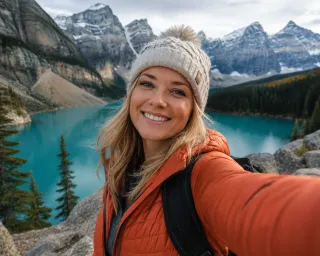
The Italian Alps offer some of Europe’s most spectacular hiking, but choosing between guided treks, self-guided hut-to-hut routes and hotel-based walking weeks can be confusing. This guide focuses on the Dolomites, South Tyrol, Gran Paradiso and selected central-Alps routes, comparing trip styles, typical costs and logistics so you can pick the right kind of Italian mountain holiday for the way you like to walk.
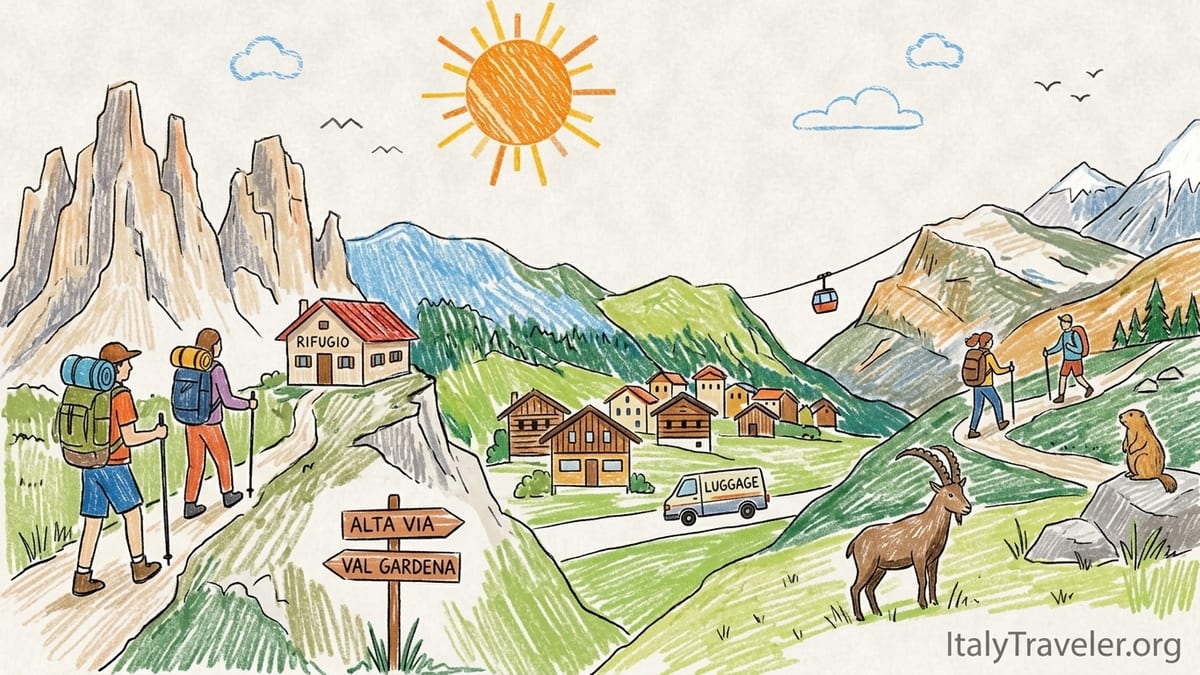
How Italian Alps Hiking Holidays Work Today
Over the past decade the Italian Alps have shifted from a niche destination for hardcore mountaineers to a mainstream hiking playground. Today, specialist operators collectively sell well over a hundred different Italian Alps products, from Dolomites hut-to-hut Alta Via traverses to softer hotel-based walking weeks around Val Gardena, Alta Badia and the Aosta Valley. Many of these are sold as self-guided packages, where the company books your rifugios or hotels, provides GPS tracks and route notes, and offers a local phone contact if something goes wrong.
In practical terms this means you no longer need to be an expert planner or fluent Italian speaker to enjoy the big-name routes. Companies such as Dolomist, Genius Loci, SloWays, DolomiteTreks and several international brands package the classic Alta Via 1, Alta Via 2 and South Tyrol traverses with pre-booked accommodation, half-board in mountain huts, and in some cases luggage transfers between valley hotels. In Gran Paradiso and the central Alps, there is also a growing choice of loop-style treks that start and finish in the same valley, often with one or two nights in comfortable hotels at each end.
What has not changed is the basic rhythm of an Italian alpine day. You wake in a rifugio or family-run hotel, have a simple but hearty breakfast, hike for five to eight hours with stops at passes and cafes, then arrive at your next hut in time for a hot shower and a multi-course dinner. Whether you carry everything on your back or send a duffel bag ahead, the essence is the same: continuous days on foot through high limestone walls, green meadows and small wooden villages where Italian, German and Ladin cultures blend.
The key choice is how much independence and support you want. At one end of the spectrum is fully guided, portered trekking on a fixed itinerary. At the other is a DIY trip where you book each rifugio individually and navigate with your own maps. In between sits a fast-growing category of self-guided packages that handle reservations and logistics while leaving you free to walk at your own pace. The sections below explore these options through concrete examples from the Dolomites, South Tyrol, Gran Paradiso and the wider central Alps.
Alta Via Routes in the Dolomites: The Classic Hut-to-Hut Experience
The Dolomites remain the undisputed star of Italian hiking, and the Alta Via routes are the region’s signature experience. Alta Via 1 runs for roughly 120 to 150 kilometres from Lago di Braies to the Belluno area, taking 7 to 11 days for most hikers, depending on the exact start and finish. It is best known for relatively moderate technical difficulty combined with big scenery, plus a thick chain of welcoming rifugios such as Rifugio Lagazuoi, Rifugio Nuvolau and Rifugio Averau spaced a day’s walk apart.
Several operators sell self-guided Alta Via 1 packages that include 7 to 10 nights of rifugio accommodation, half-board and route materials. A typical 9-day self-guided AV1 itinerary marketed in 2026 might be priced in the low to mid four figures per person, based on shared dormitory beds and seasonal rates. That usually covers hut bookings, breakfast and dinner, GPX tracks, paper maps and a local emergency contact. Transfers to and from Lago di Braies and the end point near Belluno, lunches, drinks and insurance are generally extra. If you prefer private twin rooms, some providers automatically request them wherever available, but you should expect to pay more overall and accept that several nights will still be in mixed or smaller shared rooms.
Alta Via 2 is tougher. Running between Bressanone and Feltre, it includes more exposed sections, via ferrata options and greater daily height gain. It attracts hikers who may already have completed AV1 or the Tour du Mont Blanc and want something wilder. Guided Alta Via 2 trips with certified Italian Alpine Guides are commonly offered on small-group departures; prices are usually higher than AV1 because of the technical level and the need for qualified leadership on certain sections. For strong, experienced parties, self-guided AV2 is realistic, but route-finding, weather judgment and comfort with scree and occasional fixed cables become more important than on AV1.
If you want shorter Dolomites hut-to-hut experiences, there are also “Alta Via highlights” itineraries of 4 to 6 days, for example circling the Tofane group out of Cortina or linking the Fanes-Sennes-Braies plateau with the Cinque Torri area. Some of these operate without daily luggage transfers because the huts are too remote for van access. Others combine two or three rifugio nights with hotel stays in Cortina, Corvara or San Cassiano, allowing luggage to jump between valley bases even while you get a taste of hut living above the tree line.
South Tyrol Traverses and Hotel-Based Walking Weeks
North of the Dolomites, South Tyrol offers a mix of hut-to-hut traverses and hotel-based walking weeks that suit hikers who value comfort and luggage-free daypacks. Regions such as Val Gardena, Alta Badia and the Puster Valley are well set up for inn-to-inn walking, with frequent cable cars, well-signposted trails and compact villages just a few kilometres apart. Self-guided tours might follow balcony paths along the Seceda ridgeline one day and loop beneath the jagged Odle cliffs the next, returning to the same family hotel each evening.
Inn-to-inn walking with luggage transfer is increasingly common here. A typical week-long self-guided South Tyrol traverse might have you walk from village to village, sleeping in three-star hotels and guesthouses while a local partner moves your main suitcase by van. For example, a 7-day inn-to-inn tour advertised at around the mid four figures for two people might include breakfast, detailed route notes, GPS tracks, and daily luggage transfers, but dinners remain pay-as-you-go so you can explore local restaurants. Distances are often 10 to 15 kilometres per day with 500 to 900 metres of ascent, making these trips suitable for active but not necessarily expert hikers.
South Tyrol is also where hotel-based “centre-based” walking holidays thrive. You might spend a week in a design hotel above Brixen, complete with spa facilities and fine dining, and take daily guided or self-guided walks on the Plose, in the Villnöss valley or around Alpe di Siusi. In this model, your luggage stays in one place and you carry only what you need for the day. Some international walking holiday brands package these stays with airport transfers from Innsbruck or Verona, while Italian specialists sell them with more flexible travel arrangements, expecting guests to arrive independently by train or rental car.
For families or mixed-ability groups, this hotel-based style can be ideal. Stronger walkers can add optional peaks while others take shorter meadow strolls or ride cable cars to panoramic lunches. It also works well for early- and late-season travel when high huts on the Alta Via routes may still be closed by snow, but lower-level paths through larch forests and vineyards are already walkable.
Gran Paradiso and the Aosta Valley: Quieter, Wilder Circuits
West of the Dolomites, the Gran Paradiso area in the Aosta Valley offers a different feel: fewer crowds, higher altitudes and a strong sense of being in a national park. The Gran Paradiso peak itself rises above 4,000 metres, but most multi-day hiking circuits here stay between roughly 1,800 and 2,800 metres, visiting stone-built huts such as Rifugio Vittorio Emanuele II and Rifugio Savoia while threading through valleys filled with ibex and marmots.
Popular products include 5- to 7-day hut circuits marketed as “Panorama of Gran Paradiso” or “Gran Paradiso and Val di Cogne.” Self-guided versions typically include half-board hut stays, detailed roadbooks and GPX tracks, and may start and end in the same valley village, simplifying logistics. Because the huts sit inside a national park with limited vehicle access, genuine door-to-door luggage transfer to every hut is usually impractical. Instead, operators often arrange luggage storage in the valley and, occasionally, a mid-week bag drop when the route crosses a road or cable car station. You will need to carry a full multi-day pack on most days here.
Gran Paradiso trips are generally graded moderate to challenging. Daily ascents of 800 to 1,200 metres are common, and some passes can hold snow patches early in the season. Compared with Dolomites Alta Via routes, paths here may feel wilder and less manicured, with longer sections between huts. In exchange, the chance of watching sunrise in near silence above a glacial cirque, with only a few fellow walkers, is significantly higher than on the most popular Dolomites stages in July and August.
The wider Aosta Valley adds further options for hotel-based hiking holidays, especially around Courmayeur, La Thuile and the lower valley villages. Some operators combine a short Gran Paradiso hut circuit with a couple of nights in a Courmayeur hotel to walk a slice of the Italian section of the Tour du Mont Blanc. This hybrid approach is appealing if you want both rifugio atmosphere and two or three nights of private bathrooms, a spa and restaurant choice.
Hut-to-Hut vs Hotel-Based Trips: Rooms, Food and Luggage
Understanding how accommodation and luggage work is crucial when deciding between hut-to-hut and hotel-based holidays. In mountain huts, the standard arrangement is half-board: a bunk in a shared dormitory or a simple private room, plus dinner and breakfast. In the Dolomites, half-board prices in rifugios commonly sit in the low three figures per person per night, varying with location and comfort level. Dormitory places are cheaper; private rooms, when available, raise costs but provide more privacy and quieter sleep.
Dormitories can range from large bunk rooms with 8 to 16 beds to smaller four-bed rooms. In popular huts on Alta Via 1, private rooms often sell out months in advance for peak dates. Some self-guided packages now prioritise private rooms wherever huts offer them, particularly on “comfort” versions of classic trails designed for trekkers who want a softer experience. Note, however, that even premium packages cannot conjure up private rooms where they simply do not exist in the building. Earplugs and a relaxed attitude remain useful.
Food quality is typically a highlight of Italian huts. You can expect a fixed-menu dinner of soup or pasta, a main dish such as goulash, stew or polenta with cheese, and a simple dessert. Vegetarian options are increasingly common, though vegans and people with more complex dietary needs should communicate clearly in advance and carry some backup snacks. Breakfast may be relatively simple compared with North American hotel buffets: bread, jam, butter, perhaps cold cuts or muesli, and coffee or tea. In hotel-based trips, breakfast is usually more elaborate, and you have the full spectrum of nearby restaurants for dinner.
Luggage transfer is straightforward in hotel-to-hotel trips. A van picks up your main bag after breakfast and delivers it to your next hotel by late afternoon, while you walk with a daypack. True hut-to-hut itineraries high on the Alta Via network cannot always offer this. In many cases, companies arrange luggage transfers only between towns that you pass every few days, such as Cortina d’Ampezzo, Corvara or Canazei, leaving you to carry a 30- to 40-litre pack with everything needed for two or three nights in the huts. A few guided Alta Via 1 trips now advertise partial luggage transfers directly to accessible huts on certain stages, but this is still the exception rather than the rule and depends on local vehicle access and hut agreements.
Guided vs Self-Guided: Costs, Confidence and When to Pay for a Package
The question of whether to go guided or self-guided is partly about budget and partly about temperament. Self-guided Dolomites hut-to-hut packages are usually the more economical of the two, since you are not paying for a full-time mountain professional. A week-long self-guided Alta Via 1 “highlights” trip including hut half-board, maps and GPX files but excluding lunches and transport will generally cost noticeably less than the equivalent small-group guided trip with the same number of nights in huts. The exact difference varies by operator, group size and season, but it often amounts to several hundred euros per person.
Guided trips add value in several ways. A certified local guide brings route knowledge, weather experience and language skills. That becomes especially valuable on tougher terrain, in shoulder seasons when snow and storms are more likely, or if your own navigation skills are limited. Many guided groups also include extras such as technique coaching, via ferrata taster days, or off-the-beaten-track variants that self-guided clients might miss. If something goes wrong, from a sprained ankle to a sudden storm, having a professional on hand can turn a potential crisis into a manageable inconvenience.
Self-guided packages hit a sweet spot for many experienced hikers. Companies that specialise in unguided travel combine meticulous route notes and GPX files with local support by phone or messaging. They also take on the time-consuming task of booking huts, which can be stressful when individual rifugios have different booking windows and respond at different speeds. For busy travellers from North America or Australia, outsourcing this logistics to a specialist is often worth the premium over a completely DIY trip.
A purely DIY approach still appeals to budget-conscious or very independent hikers. Booking huts yourself can save on package margins, and online resources make it easier than ever to piece together an itinerary. The trade-off is time and risk. On popular routes such as Alta Via 1 in July and August, rifugios can fill quickly. If your dates are fixed and your Italian is limited, a package that bundles confirmed bookings can be worth the cost simply for peace of mind, even if you never meet a guide in person.
Difficulty, Altitude and Picking the Right Region
While marketing descriptions often call routes “moderate” or “for regular hikers,” the Italian Alps demand a realistic look at your fitness, vertigo tolerance and experience. Alta Via 1, often seen as the friendliest of the major hut-to-hut trails, still involves several consecutive days with 800 to 1,200 metres of ascent and descent. Paths are mostly good and waymarking solid, but there are steep, rocky sections and the cumulative fatigue of multiple days on the move. Alta Via 2 and some Gran Paradiso circuits add more rugged ground, occasional cables, and passes where old snow can linger into July.
Altitude in these regions is generally below that of classic Andean or Himalayan treks, but you will still feel the difference if you live near sea level. Huts on Alta Via 1 and 2 commonly sit between roughly 2,000 and 2,700 metres. In Gran Paradiso, huts used on standard treks can be a little higher, and optional summit ascents may push above 3,500 metres. Most people adapt quickly, but if you know you are sensitive to altitude, plan a couple of nights in a valley town such as Cortina, Corvara or Cogne before starting multi-day hut stages.
If you are new to alpine hiking, a hotel-based week in South Tyrol or a relatively gentle Dolomites inn-to-inn route with luggage transfer is a sensible first step. You can build up to a partial Alta Via, such as four days on the central section of AV1, once you know how your body responds to back-to-back mountain days. Experienced trekkers who have already completed routes like the Tour du Mont Blanc or Austria’s Eagle Walk may be ready to tackle longer, wilder Dolomites traverses or Gran Paradiso loops from the outset.
Season is another key variable. The prime window for most Italian Alps hiking is late June to late September, though exact dates depend on snowmelt and early storms. July and August bring the most stable weather but also the biggest crowds and highest hut prices in the Dolomites. June and late September often offer quieter trails and sharper light, but you must be more flexible about itinerary changes due to lingering snowfields or early snowfalls at passes.
Real-World Cost Examples and What Packages Actually Include
To make planning more concrete, it helps to look at what a week in the Dolomites or Gran Paradiso might actually cost. For an independent hiker booking hut nights directly, a seven-night Dolomites hut-to-hut trip with half-board might add up to a mid three-figure to low four-figure sum per person, depending on how many nights are in more expensive flagship huts and whether you choose dorms or private rooms. Add airport transfers, pre- and post-trek hotel nights in Cortina or another gateway town, lunches, drinks and any gear rental, and the total bill can climb significantly.
A self-guided Alta Via 1 package of 8 or 9 days that includes hut bookings, half-board and route materials but leaves you to arrange flights and local buses might be priced in the low four figures per person in high season, based on shared rooms. Opting for upgraded accommodation or private rooms where possible pushes the package into the mid four figures for couples on a per-person basis, especially if the itinerary includes nights in nicer valley hotels at the beginning and end. Guided small-group versions covering a similar number of days, with a certified guide and a maximum group size of perhaps 8 to 12, generally cost more again, reflecting the professional fees and extra logistics.
In South Tyrol, a seven-night inn-to-inn hotel-based trip with luggage transfer, breakfasts and detailed route notes can sit broadly in the same price band as a Dolomites hut-to-hut package if you choose three-star hotels and travel in shoulder season. Upgrading to four-star spa hotels in villages such as Ortisei or San Vigilio increases costs but gives you the comfort of wellness facilities and larger rooms. In Gran Paradiso, where huts are simpler and the tourism infrastructure less polished than the Dolomites, hut-based trips sometimes come in slightly cheaper on a per-night basis, though that can be offset by more complex transfers to reach the starting valley.
Whatever style you choose, read the inclusions carefully. Some packages include local buses and cable cars; others only provide suggestions and timetables. Many self-guided products now include GPX tracks as standard. Travel insurance rarely comes as part of the package, and very few operators include flights in their base price for Italian Alps walking holidays. If you are comparing offers from multiple suppliers, build a simple spreadsheet listing nights, meals, luggage transfers, transfers, guide fees and any gear rentals so you can see the real like-for-like cost.
The Takeaway
Italian Alps hiking has never been more accessible. From the theatre of the Dolomites Alta Via routes to the gentler villages and balcony paths of South Tyrol and the wilder cirques of Gran Paradiso, there is a style of trip for almost every active traveller. Hut-to-hut treks offer immersion in mountain life but demand that you carry what you need and accept shared spaces; hotel-based itineraries provide more privacy, bigger breakfasts and the magic of opening your suitcase each evening in a fresh room.
Guided trips make the most sense when terrain is complex, your available planning time is limited or you simply want the reassurance of a professional on the hill. Self-guided packages, with pre-booked rifugios, route notes and optional luggage transfers where roads allow, work well for confident walkers who value independence. Fully DIY adventures still have their place, especially for experienced trekkers comfortable with Italian hut systems and flexible travel plans.
Whichever model you select, the fundamentals remain the same: book mountain accommodation early for peak summer, choose an itinerary that matches your fitness rather than your ambition, and allow time at each end for weather wiggles and a day or two of cultural wandering in gateway towns and cities. Do that, and an Italian Alps hiking holiday can become a highlight of your travelling life, whether your memories are of sunrise above Rifugio Lagazuoi, a quiet ibex encounter in Gran Paradiso or a sunny hotel terrace in South Tyrol with tired legs and a glass of local wine.
FAQ
Q1. How far in advance should I book an Italian Alps hut-to-hut trip?
For popular Dolomites routes in July and August, aim to reserve rifugios or packages six to nine months ahead. Outside peak dates, three to four months can still work, especially in quieter areas like Gran Paradiso.
Q2. Do I need a guide for Alta Via 1 in the Dolomites?
Most reasonably fit hikers with some mountain experience can walk Alta Via 1 self-guided using good maps and GPX tracks. A guided trip is worth considering if you are new to alpine terrain, travelling early or late in the season, or simply prefer not to manage navigation and weather decisions yourself.
Q3. Can I get luggage transferred every night on a hut-to-hut trek?
On true high-level routes, nightly luggage transfer is often impossible because many huts are not road-accessible. Expect reliable daily luggage transfers mainly on hotel-based and inn-to-inn trips in valleys such as South Tyrol, plus occasional transfers between towns you visit during longer Dolomites traverses.
Q4. What is the difference between dormitories and private rooms in rifugios?
Dormitories are shared rooms with multiple bunks, usually cheaper and more available at short notice. Private rooms, when they exist, are small twin or family rooms that offer more privacy and quieter nights but cost more and must often be reserved well in advance.
Q5. How fit do I need to be for a week on Alta Via 1?
You should be comfortable hiking for six to eight hours a day with 800 to 1,200 metres of ascent and descent, carrying a pack with clothing, water, snacks and a sleeping bag liner. Training on hilly terrain and back-to-back day hikes before your trip will make the experience more enjoyable.
Q6. When is the best time of year to hike in the Italian Alps?
Most hut-to-hut routes operate from late June to late September, depending on snow conditions. July and August offer the most consistent weather but are busier and more expensive. Late June and late September can be quieter and cooler but require more flexibility due to possible snow on higher passes.
Q7. Are vegetarian or special diets catered for in Italian mountain huts?
Vegetarian options are now fairly common in rifugios, especially in the Dolomites. Vegan, gluten-free or other special diets are more challenging and should be communicated in advance to huts or tour operators. It is wise to carry supplementary snacks if you have strict requirements.
Q8. How do self-guided packages support navigation and safety?
Self-guided operators typically provide detailed daily route descriptions, topographic maps and GPX files for use on a GPS device or smartphone, plus a local contact number for emergencies or logistical issues. You still need basic navigation skills and must be able to adjust plans if weather or conditions change.
Q9. What extra costs should I budget for beyond the package price?
Plan for lunches, drinks, snacks, cable cars, local buses, city or valley hotel nights before and after the trek, travel to and from Italy, and comprehensive insurance. In huts, hot showers, bottled water and packed lunches are often charged separately from half-board.
Q10. Is an Italian Alps hiking holiday suitable for children or less experienced walkers?
Yes, if you choose the right format. Centre-based hotel weeks in South Tyrol or easier inn-to-inn routes with luggage transfer work well for families and mixed-ability groups. Longer high-level hut-to-hut traverses such as the full Alta Via 1 are better for older children and adults with prior hiking experience and good fitness.