


The Italian Alps stretch from the French border to the Dolomites, with more than 19,000 properties listed on major booking platforms. Faced with that choice, it is easy to feel lost in tabs and reviews. This guide cuts through the noise with a clear, geographic approach, spotlighting stand-out hotels in the Aosta Valley, Livigno and Bormio, Trentino, South Tyrol and Cortina. Within each area you will find concrete examples of luxury hideaways, spa sanctuaries, ski-in ski-out bases, romantic retreats, family favorites and good-value stays, plus how they actually work on the ground for lift access, parking, spa use and summer hiking.
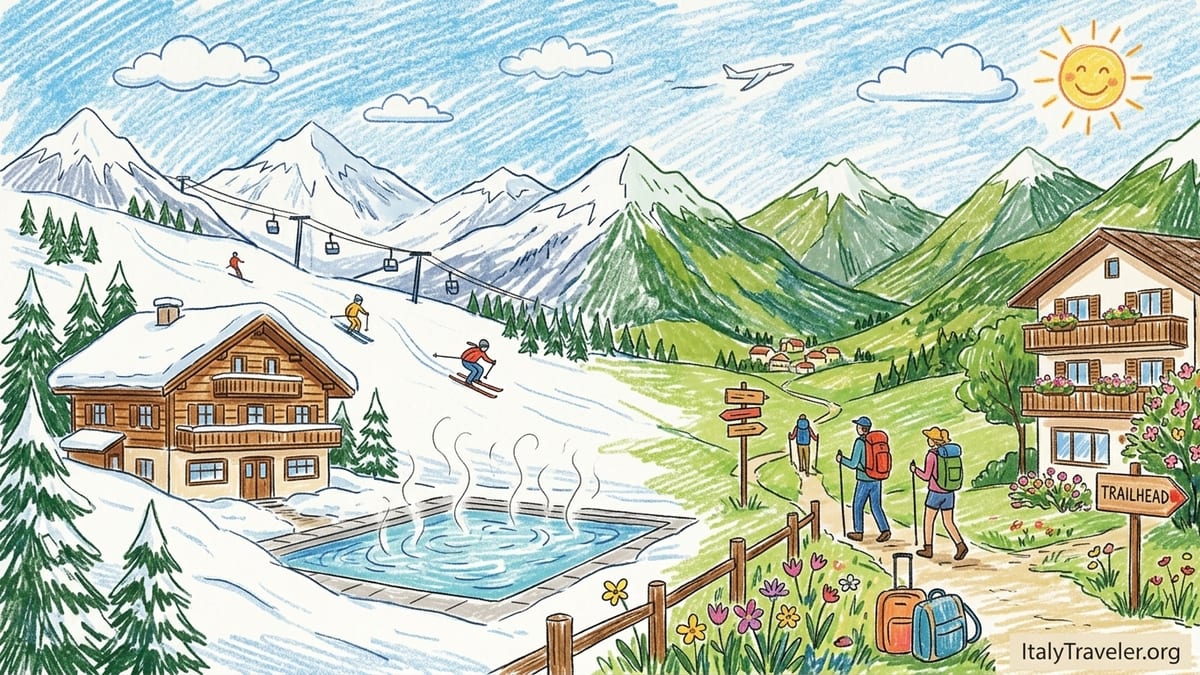
How to Choose a Hotel in the Italian Alps
Before drilling into regions, it helps to decide how you plan to use your hotel. In winter, the key question is how close you want to be to the lifts. True ski-in ski-out hotels such as slope-side lodges in South Tyrol or Cortina allow you to clip into your skis outside the door and glide to the first chair, but you often pay a premium and sacrifice a bit of village atmosphere. A five to ten minute walk or a two minute ski bus ride from hotels like many in Bormio or Madonna di Campiglio can be better value and still practical for most skiers.
For many travelers the spa is as important as the slopes. Across Trentino and South Tyrol you will find serious wellness areas with multiple saunas, steam rooms and indoor-outdoor pools, some like newer wellness-focused properties near the Seiser Alm offering pine-scented baths and mountain-view relaxation rooms. These are worth prioritizing if you plan long stays or if some people in your group will not ski, as they turn a cold, grey day into a mini retreat.
Half-board is another major decision. In the Italian Alps, many four and five star hotels in areas such as Aosta Valley’s side valleys or resort villages in Trentino offer packages that include breakfast and multi-course dinners. This can be cost-effective in high season when restaurant tables are scarce, but it does lock you into eating at the hotel most nights. If you value culinary variety, consider bed and breakfast in a central Cortina or Livigno hotel, and book a few special dinners out.
Finally, think about how your priorities change between winter and summer. A hotel at the base of a gondola that whisks skiers up in January often becomes a prime hiking base in July, especially in places like South Tyrol’s Val Gardena or Cortina where lifts run for walkers and mountain bikers. When reading hotel descriptions, look for mentions of summer lift passes, trailheads within walking distance, bike storage and shaded parking, which all make mountain heatwaves and afternoon thunderstorms easier to manage.
Aosta Valley: From Hermitage Chalets to Family Ski Bases
The Aosta Valley, pinned between Mont Blanc and Monte Rosa, offers a mix of high-altitude glacier skiing and quieter family resorts. For immersive luxury, travelers look to chalet-style retreats above Champoluc, where converted hamlets like the Hotellerie de Mascognaz sit above the valley and are typically reached by snowcat or 4x4 in winter. These places feel like private mountain villages, with log cabins, roaring fireplaces and small but refined spas featuring stone pools and Turkish baths. They usually offer half-board by default and rely on snowcats or shuttle vehicles to reach the nearest lift, so they suit guests who value seclusion over nightlife.
In lively Courmayeur, at the foot of Mont Blanc, four and five star hotels cluster around the pedestrian center and near the main cable car. A high-end option might place you five minutes on foot from the Dolonne gondola while providing heated ski lockers, underground parking and a compact spa with a pool, sauna and treatment rooms. Mid-range three star family hotels closer to the village core can trade large spas for welcoming lounges, kids’ play corners and flexible room configurations that fit parents and two children without feeling cramped.
For value and easy access, look at smaller Aosta Valley resorts like Pila, which sits directly on a sunny plateau above the regional capital. Here, modest hotels and apartment-style residences sit a short walk from the main lifts, often with ski storage on the ground floor rather than full-service ski rooms. Nightlife is limited and spas may be nothing more than a hot tub and a sauna, but you gain quiet slopes, relatively affordable parking and shorter school holiday queues, which suit families and beginners well.
In summer, these same Aosta bases transform into hiking hubs. Courmayeur hotels that shuttle guests to the Skyway Monte Bianco cable car in winter will often run transfers to trailheads or include packed lunch options in July. Remote-chalet properties add guided trekking, yoga decks with glacier views and e-bike rentals. When comparing Aosta Valley options for a warm-weather stay, check whether nearby lifts operate all week or only on weekends, as this affects how easily you can reach panoramic ridge trails without a car.
Livigno and Bormio: High-Altitude Skiing and Historic Thermal Baths
Livigno’s long, duty-free valley is lined with hotels that mostly fall into the ski-convenient rather than pure ski-in ski-out category. Many four star properties sit within 100 to 300 meters of a lift, with guests either walking in snow boots or using frequent ski buses. In return, you often find generous spa facilities for the price, with features like rooftop whirlpools, multi-sensory showers and relaxation rooms looking over the valley. Half-board packages can offer excellent value here, with informal buffets at breakfast and hearty local dishes like pizzoccheri and sciatt at dinner.
Bormio has a different identity, combining medieval streets with historic thermal baths. Upscale hotels near the old town and the Bormio 2000 gondola often advertise free access or discounted entry to nearby thermal complexes. A four star hotel just a few minutes’ walk from the lifts may include a small private spa with Finnish sauna, Turkish bath and indoor pool, plus heated lockers for ski boots. Rooms can be traditional alpine wood or modern minimalist, but almost all feature balconies or large windows to make the most of Rhaetian Alps views.
Good-value stays in Bormio cluster around three star chalets and garni hotels near the center, where you can walk to both the gondola and the thermal baths in ten minutes or less. These properties often provide simple but comfortable rooms, free outdoor parking and modest wellness areas with a hot tub or small sauna. For many travelers this balance of access, character and price is ideal, especially if you plan to spend more time soaking in thermal pools than in your hotel spa.
In summer, Livigno’s hotels pivot to biking and hiking. The same garages used for ski storage become bike workshops with tools, washing stations and secure racks. Many mid-range and upscale properties offer guided rides on the Mottolino and Carosello 3000 trail networks, plus early breakfasts tailored to cyclists. Bormio hotels leverage their proximity to legendary road climbs like Stelvio and Gavia, offering cyclist-friendly services such as laundry, high-carb dinners and late check-outs after big riding days, while thermal spas remain a constant draw after long hikes in Stelvio National Park.
Trentino Dolomites: Madonna di Campiglio and Beyond
Trentino’s Dolomite section includes some of Italy’s most polished ski villages, notably Madonna di Campiglio. Here, luxury hotels often enjoy near-ski-in ski-out positions by main lifts such as Spinale or Cinque Laghi. Expect underground garages with valet-style parking, ski rooms with individual heated lockers, and spas that include sizable indoor pools, multiple saunas and hot tubs with views of the Brenta Dolomites. Many of these hotels operate on a half-board model, serving refined multi-course dinners that blend Trentino and Mediterranean influences.
Mid-range and good-value stays sit a little back from the lifts, often in the pedestrian zone or on side streets. A typical three star hotel might be 100 to 200 meters from the nearest slopes, with a shuttle minibus in ski boots weather. Facilities may include a compact wellness area with hot tub and steam room, plus free outdoor parking or limited underground spaces at a surcharge. These hotels work well for couples and small groups who prioritize slope access and village atmosphere over having a vast spa.
Beyond Madonna di Campiglio, Trentino offers quieter bases like Val di Fassa and San Martino di Castrozza. Family-run hotels here can provide some of the best price-to-quality ratios in the region, especially outside Christmas and mid-February. Lift access often relies on a short ski bus ride, but in return you get generous family rooms, kids’ menus and playrooms, plus simple but pleasant wellness corners. In summer these towns sit below dramatic Dolomite walls, with hotels arranging guided via ferrata routes, e-bike rentals and packed lunches for full-day hikes.
For romantic stays, look for boutique hotels and adults-only guesthouses that emphasize design and food. In parts of the Trentino Dolomites, newer properties favor light wood, floor-to-ceiling windows and open-plan suites with freestanding bathtubs. Many include small but elegant spas limited to a handful of guests at a time, creating a private, hushed feel. In such hotels, you might trade absolute proximity to the lifts for a better view and quieter location, walking ten minutes in the morning through the snow to reach the gondola but returning each afternoon to sunsets over Dolomite spires from your balcony.
South Tyrol: Wellness Powerhouse and Ski-In Ski-Out Heaven
South Tyrol has become the benchmark for alpine wellness, combining Germanic efficiency with Italian flair. Luxury hotels in areas such as Val Gardena, Alta Badia and around the Seiser Alm frequently blend ski-in ski-out convenience with destination-spa ambitions. It is common to find properties with multiple indoor and outdoor pools, extensive sauna worlds and dedicated relaxation floors facing the Dolomites. Some newer wellness-focused hotels near the Seiser Alm, for example, offer pine-scented bathhouses, panoramic outdoor jacuzzis and calm, design-forward suites that echo the current alpine wellness trend.
Many South Tyrol hotels operate on half-board, with lavish breakfast buffets and gourmet dinners that may rival destination restaurants. This suits skiers who want long days on the Sella Ronda circuit followed by a relaxed evening with no need to book in-town restaurants. Parking is often in large underground garages with direct lift access to the lobby, and ski rooms are highly organized, with numbered heated lockers. Where a property sits directly by a piste, you can often ski down to a major lift in the morning and return almost to the boot room door in the afternoon.
For families, South Tyrol’s larger resorts feature hotel complexes with dedicated kids’ clubs, family pools and flexible room setups. A hotel near the center of Ortisei or Selva might offer an indoor pool with shallow zones, daily supervised play sessions and early children’s dinners, while parents enjoy the adults-only sauna area later in the evening. These hotels may not all be technically ski-in ski-out, but courtesy shuttles and escalators to the gondolas make the logistics manageable even with small children and strollers.
Good-value options in South Tyrol often take the form of garni guesthouses and smaller three star hotels slightly outside the main resort cores. Rooms are simpler but usually spotless, with breakfast included and optional access to a small shared sauna or hot tub. Travelers on a budget can use these as bases for exploring several ski areas within a short drive, or for summer hiking circuits around the Odle peaks, Alpe di Siusi plateau or Pragser Wildsee. Bike storage, guest discount cards for local lifts and free or low-cost parking are common practical advantages.
Cortina d’Ampezzo: Glamour, Views and 2026 Olympic Buzz
Cortina d’Ampezzo is the most glamorous resort in the Italian Dolomites, with a compact center of historic hotels and newer luxury entries. High-end properties near Corso Italia combine classic wood-panelled lounges with modern spas that include indoor pools, saunas and treatment suites, while newer luxury hotels add contemporary design and private wellness areas for suites. True ski-in ski-out is rarer directly in town, but some hotels near the Pocol area or by specific lifts let guests step onto the slopes almost from the door, offering heated ski lockers and private shuttles back into the center in the evening.
The forthcoming Winter Olympics in 2026 continues to drive investment in Cortina’s hotel sector, with established five star icons refreshing rooms and spa areas. At the top end, rates can be high in peak weeks, but you get standout Dolomite views, white-glove service and often excellent restaurants that double as destinations for non-residents. Many luxury hotels offer private garages, dedicated ski concierges to arrange passes and rentals, and partnerships with local guides for off-piste or via ferrata outings.
Mid-range and good-value travelers often look a bit beyond Corso Italia. Family-run three and four star hotels along side streets and on the outskirts, sometimes a short bus ride from the center, provide comfortable rooms, solid breakfasts and smaller wellness corners. Lift access may involve walking to a bus stop or driving five to ten minutes to parking by Tofana or Faloria lifts, but in exchange nightly rates drop significantly. This is often the sweet spot for active travelers who plan to be on the mountain most of the day and only need a warm, well-run base with good showers and safe parking.
In summer, Cortina’s hotels shift focus to hiking, climbing and cycling. Properties that provide ski rooms in winter reconfigure them as bike storage and climbing gear rooms, adding facilities like washing stations and drying rooms. Both luxury and mid-range hotels can arrange guided via ferrata days, mountain bike tours and sunrise hikes. When comparing Cortina options for a warm-season visit, check whether your hotel is close to key bus stops for the Tre Croci pass, Cinque Torri and other major trailheads, as this saves expensive taxi trips and congested parking areas.
Comparing Key Features: Lifts, Spas, Parking and Summer Access
When narrowing down hotels in the Italian Alps, a few practical comparisons make a big difference day to day. Lift access is the first. In South Tyrol and parts of Trentino, many upscale hotels are effectively ski-in ski-out or a brief walk from main gondolas, especially in resort villages built along the piste. Aosta Valley and Cortina offer a mix of in-village and outlying properties, so you may find yourself shuttling between hotel and lifts. Livigno and Bormio sit somewhere in the middle, with hotels usually within easy reach of the ski area but rarely right on the snow.
Spas and pools are the second major factor. Wellness-oriented South Tyrol hotels and polished Trentino resorts can feel like destination spas, with multiple pools, hot tubs and elaborate sauna complexes. In contrast, many Aosta and Cortina hotels opt for smaller, more intimate spas with one pool, a couple of saunas and a handful of treatment rooms, focusing on quality over sheer size. Bormio stands out thanks to its separate historic thermal baths; a hotel there may only need a compact on-site spa because guests spend hours in the public thermal complexes.
Parking, ski storage and summer hiking access are more subtle but important. In most major resorts, four and five star properties include underground parking that shelters cars from snow and hail, though there might be a per-night fee. Three star hotels and guesthouses often rely on outdoor lots, which are free but can fill fast at peak times. Ski rooms range from simple heated lockers in Livigno or family-run Aosta Valley hotels to elaborate boot-heating galleries with lounge areas in flagship South Tyrolean resorts. For summer travelers, check whether the same storage rooms welcome bikes and hiking gear and whether the hotel offers laundry or drying facilities after wet days on the trail.
Finally, consider whether half-board fits your travel style. In South Tyrol and Trentino, many of the most attractive spa hotels expect guests to dine in most nights, which suits those who want long, slow dinners after spa sessions. In Cortina and Courmayeur, you might prefer bed and breakfast at a central hotel so you can wander out each evening to try different pizzerias, wine bars and fine-dining rooms. For family trips, half-board can simplify logistics and costs, especially in smaller resorts where restaurant choices are limited and children are tired from ski school by early evening.
FAQ
Q1. When is the best time to book Italian Alps hotels for winter ski trips?
Booking four to six months ahead is sensible for peak weeks like Christmas, New Year and February school holidays, while March and early-season weeks often have more last-minute availability.
Q2. Are ski-in ski-out hotels in the Italian Alps worth the premium price?
They are worth it if you ski every day and dislike walking in ski boots, but travelers who are happy with a short shuttle or walk can save money by staying slightly away from the slopes.
Q3. Do most Italian Alps hotels include lift passes in their rates?
Only a minority offer packages with lift passes included; more commonly, hotels help guests purchase passes on arrival or in advance through local resort offices.
Q4. Is half-board a good idea in regions like South Tyrol and Trentino?
Half-board works very well if you enjoy multi-course dinners and prefer not to search for restaurants each night, but it limits flexibility for spontaneous evenings out.
Q5. How important is having a spa or pool in a ski hotel?
For many travelers it significantly improves the experience, especially on stormy days or longer trips; for short weekends dedicated skiers may be happy with a basic sauna instead.
Q6. What should families prioritize when choosing a hotel in the Italian Alps?
Families should look at walking distance or shuttle time to ski school, availability of family rooms or interconnecting rooms, kids’ clubs, early meal times and flexible cancellation policies.
Q7. Are there good-value options in famous resorts like Cortina and Madonna di Campiglio?
Yes, but they are usually smaller guesthouses or three star hotels a little outside the center or a short bus ride from main lifts, so you trade some convenience for lower prices.
Q8. Do Italian Alps hotels charge for parking in winter?
Many four and five star hotels charge for underground parking, especially in compact resorts; outdoor hotel lots are more likely to be free but may not be guaranteed or covered.
Q9. Can the same hotels work well for summer hiking holidays?
Often yes; hotels close to winter lifts can be ideal for summer hikers if the lifts run in warm months, and many properties add bike storage, trail advice and guided excursions.
Q10. How far in advance should I book for the 2026 Winter Olympics period in Cortina?
For February 2026 dates around the Games, it is wise to book as early as possible and expect strict conditions; alternative bases in nearby valleys can offer more availability and value.