

Central Italy is one of Europe’s most seductive regions, stretching from Rome and Umbria to Tuscany and the Adriatic hills of Le Marche. It is also a place where costs can swing wildly between a simple farm stay and a designer hotel overlooking Florence’s Duomo. This guide looks at current, real-world prices in 2026 and turns them into realistic daily budgets for budget, mid-range and luxury travelers, with examples you can actually plug into your own itinerary.
What a Central Italy Trip Really Costs in 2026
Before diving into line items, it helps to understand the overall cost picture. For a typical week in Central Italy that includes Rome plus either Tuscany or Umbria, most travelers in 2026 are falling into three broad ranges. Budget travelers who mix hostels, simple guesthouses and regional trains usually spend around 90 to 130 euros per person per day, excluding flights. Mid-range travelers who want central three-star and four-star hotels, at least one wine tour and restaurant dinners most nights tend to land between about 150 and 250 euros per person per day. Those looking for luxury hotels, private drivers or high-end wine experiences can easily reach 350 to 600 euros per person per day and up, especially in peak season.
Within that range, the biggest swings usually come from where you sleep and how you get around. A double room at a simple family-run hotel a 10-minute tram ride from Florence’s historic center might be 110 to 150 euros in June, while a five-star boutique property two blocks from Piazza della Signoria can run 500 euros and more for the same night. Similarly, a high-speed train fare booked months in advance between Rome and Florence can be under 20 euros, whereas a last-minute first-class ticket on a busy Friday can be three or four times that. The sections that follow break down every major category so you can choose where to splurge and where to save.
Seasonality also matters. Prices in classic destinations like Florence, Siena, Cortona and Assisi spike from roughly May through early October, with a second bump around Christmas and New Year. Shoulder months such as March, April (except Easter), late October and November can reduce hotel and agriturismo rates by 20 to 30 percent compared with high summer. Rural areas in Umbria and Le Marche remain relatively good value year-round, particularly outside festival periods.
Hotels and Agriturismi: What You Really Pay
Accommodation is usually the single largest cost in Central Italy, and the gap between an urban hotel and a countryside agriturismo can be substantial. In major cities like Rome and Florence, recent data and on-the-ground reports show that central mid-range hotels commonly fall in the 120 to 180 euro per night range for a double room, with simple two-star properties or guesthouses sometimes a bit below that and fashionable four-star hotels somewhat above it. In smaller cities such as Siena, Orvieto or Perugia, a pleasant, well-reviewed three-star hotel near the historic center can often be found closer to 90 to 140 euros outside the busiest weeks.
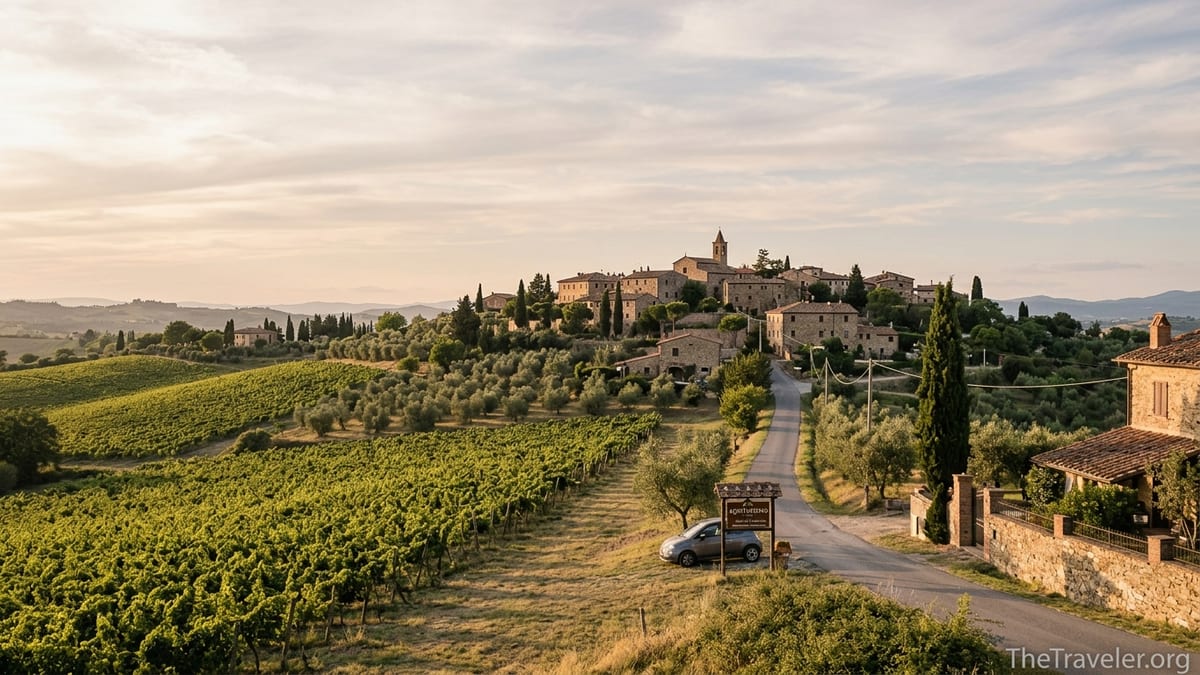
Agriturismi, or farmhouse stays, are one of the best ways to control your budget while getting more space and atmosphere. Around the Val d’Orcia in southern Tuscany or the rolling hills outside Montepulciano, many working farms and wine estates offer rooms starting around 80 to 120 euros per night for a double in shoulder season, rising to 120 to 200 euros in July and August for properties with pools and panoramic views. In Umbria, comparable countryside guesthouses near towns like Spello, Bevagna or Montefalco can be slightly cheaper, with some charming stone farmhouses offering doubles under 100 euros in spring and autumn.
On the higher end, countryside resorts and wine estates with full-service spas and fine dining can rival city hotels. A restored villa with its own vineyard and infinity pool in Chianti or Montalcino might charge 350 to 600 euros per night for a suite in peak season, particularly if breakfast and a basic tasting are included. In Florence and Rome, five-star boutique hotels with rooftop terraces and notable restaurants often start at 400 to 700 euros per night for standard rooms in May, June and September, with rates sometimes higher during major events.
For budgeting, couples can often target 90 to 140 euros per night for comfortable but not flashy lodging if they are flexible about staying just outside prime tourist squares and are willing to book agriturismi or guesthouses. Families requiring two rooms or an apartment-style stay should plan on at least 160 to 250 euros per night at the lower end and more in iconic hill towns. Solo travelers can save significantly by choosing hostel dorms in cities such as Florence and Rome, often paying 35 to 60 euros per night in a centrally located hostel with good reviews.
Trains, Rental Cars and Tolls: Getting Around Central Italy
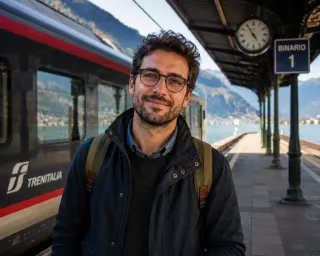
Trains remain the backbone of travel between major Central Italian cities. High-speed routes between Rome and Florence, which take about 1 hour and 30 minutes on services operated by both Trenitalia’s Frecciarossa and Italo, frequently advertise advance fares starting around 15 euros for second class on slower departure times or special offers. In practice, travelers report a wide range, from about 14 or 15 euros when booking flexible dates a few months ahead to 40 to 60 euros or more if buying closer to the travel date or choosing peak hours and flexible fares. Regional trains connecting cities like Florence and Pisa, Siena, Arezzo or Perugia usually cost much less, often in the 10 to 20 euro range per ticket depending on distance and class.
If you plan to explore wine regions or hilltop towns that are hard to reach by public transport, renting a car can be cost-effective, especially for small groups. Recent quotes from major online brokers show compact manual cars in Central Italy typically starting from around 30 to 45 euros per day in shoulder season when booked in advance, rising to 50 to 80 euros per day in August at airports such as Florence or Rome Fiumicino. Automatic transmissions, SUVs and premium brands can quickly push daily rates above 80 to 120 euros. It is important to factor in additional costs such as collision damage waivers, which can be bundled, as well as one-way drop fees if you pick up in Rome and drop in Florence or Pisa.
Fuel and tolls add another layer. Petrol prices in Italy have often hovered above 1.7 euros per liter in recent seasons, so expect to spend roughly 30 to 50 euros to fill a small car’s tank. Driving from Florence to Rome via the main A1 autostrada can involve tolls in the range of 20 to 25 euros one way for a standard car. Shorter segments, such as Florence to Bologna or Florence to Arezzo, carry lower tolls but still add up over a week-long road trip. Parking in historic centers is both limited and expensive. Many travelers opt for paid garages or designated parking lots outside ZTL (limited traffic) zones at typical rates of 20 to 35 euros per day in cities like Florence and Siena, and lower in smaller towns.
When choosing between trains and cars, think in terms of travel style and itinerary. For a classic city-hopping route such as Rome, Florence, Bologna and perhaps Venice, trains are usually cheaper and faster. A couple taking three or four high-speed trains might spend 100 to 200 euros total on long-distance rail. For a week exploring Tuscan or Umbrian countryside with visits to vineyards, abbeys and hill towns like Pienza and Montefalco, a rental car shared by two or more people can be good value even after fuel and tolls, especially if it allows you to book more affordable agriturismi slightly away from the most famous villages.
Daily Food, Wine and Restaurant Costs
Food is one of Central Italy’s greatest joys, and the good news is that you can eat well at nearly every budget level. A simple Italian breakfast of a cappuccino and pastry at a bar in Rome or Florence typically costs 3 to 5 euros if you stand at the counter, while a hotel buffet breakfast can add 10 to 20 euros per person to your room rate. Many agriturismi in Tuscany and Umbria include breakfast in the nightly price, which can significantly reduce your daily food expenses.
For lunch, a panino with porchetta from a stand in Rome’s Trastevere or a slice of pizza al taglio in Florence might cost 5 to 8 euros, while a sit-down lunch of pasta and a drink at a simple trattoria in Perugia or Siena usually falls in the 15 to 25 euro range per person. Aperitivo, especially in cities, can be a smart value: in Florence’s Oltrarno district, for example, a glass of local wine accompanied by a generous spread of snacks or small plates can run 8 to 15 euros, sometimes substituting for a light dinner.
Dinner prices vary widely. In secondary towns or non-touristy neighborhoods, a two-course meal with house wine at a classic trattoria often costs around 20 to 30 euros per person. In central Rome or Florence, expect 30 to 45 euros per person at a popular mid-range restaurant for shared antipasti, a pasta or main dish, dessert and a glass or two of wine. Upscale dining rooms in wine estates around Montalcino or in Florence’s historic center can push dinners to 60 to 100 euros per person or more, especially if you choose tasting menus and premium bottles of Brunello or Super Tuscan wines.
Bottled water in supermarkets is very inexpensive, often under 1 euro for 1.5 liters, while a coffee at the bar generally stays in the 1.20 to 2 euro range. Gelato in tourist areas tends to cost 3 to 5 euros for a couple of flavors in a cup or cone, with slightly lower prices away from major piazzas. Over a day, a budget traveler who focuses on takeaway food, self-catering snacks and only occasional sit-down meals might spend 20 to 30 euros on food and drink. A mid-range traveler enjoying coffee out, a relaxed lunch and a full dinner with wine can easily average 45 to 70 euros per day. For a luxury traveler who regularly books fine dining and premium wines, daily food and drink costs can climb to 120 euros or more.
Wine Tours, Attractions and Cultural Costs
Central Italy’s wine regions are some of the most sought-after in the world, and prices for tours reflect that popularity. In Tuscany’s Chianti region, budget-friendly group bus tours departing from Florence that include a couple of tastings and a short stop in a village often start around 50 to 80 euros per person. Small-group tours that visit two or three wineries, include a light lunch and provide hotel pickup commonly fall in the 120 to 180 euro range per person. Private driver-guided experiences that customize stops at estates in Chianti Classico or Brunello country can cost 250 to 400 euros per person or more, especially if the group is small and tastings and lunch at upscale wineries are included.
Shorter experiences are available at individual estates throughout Tuscany and Umbria. Many wineries near towns like Montefalco, Montepulciano or San Gimignano offer guided cellar visits and tastings of three or four wines for roughly 20 to 40 euros per person, with some including small plates of local cheese, cold cuts and olive oil tastings at the upper end of that range. Cooking classes that integrate market visits and a shared meal usually start around 80 to 120 euros per person in smaller towns, and can rise to 150 to 250 euros in high-profile culinary schools or historic villas near Florence and Siena.
Attraction tickets add a further, but more modest, layer to your daily budget. Entrance to major sites such as the Colosseum and Roman Forum in Rome or the Uffizi Gallery and Accademia in Florence tends to fall roughly in the 15 to 30 euro per person bracket depending on combination tickets and seasonal surcharges. Cathedral complexes in places like Siena or Orvieto may charge 10 to 20 euros for a combined ticket that includes the main church, museum areas and panoramic viewpoints. Smaller churches, cloisters, civic museums and archaeological sites in Umbria and Le Marche often charge 5 to 10 euros, and many towns host free viewpoints and piazzas that offer memorable experiences without any fee.
Over a week, a traveler who chooses one paid wine experience, a cooking class and several marquee museums might easily spend 250 to 400 euros per person on tours and attractions alone. Budget-conscious visitors can trim that by prioritizing free sights, focusing on one or two big-ticket museums and booking a single, carefully chosen wine tour in a region that most interests them, such as Montepulciano’s Vino Nobile estates or the Sagrantino producers around Montefalco.
Sample Daily Budgets: Budget, Mid-Range and Luxury
To make these numbers concrete, it is helpful to look at sample daily budgets. For a budget traveler staying in a hostel in Florence and using regional trains and buses, accommodation might be 40 euros per night in a dorm bed, with another 25 euros for food if they prioritize street food, supermarket snacks and occasional trattoria lunches. Local transport and museum admissions might add 10 to 20 euros per day averaged over a week, including some days with higher spend for big sights. That produces a realistic budget band of roughly 90 to 120 euros per person per day for someone traveling light and comfortable with simple options.
A mid-range couple visiting Rome and Tuscany who stays in modest but central three-star hotels or agriturismi at about 130 euros per night, including breakfast, would spend around 65 euros per person per day on lodging. If each spends 55 euros per day on food and drink, combining cafe breakfasts, trattoria lunches and decent restaurant dinners with wine, and averages 15 to 25 euros a day on trains, buses and local transport, they are at approximately 135 to 145 euros per person before tours and attractions. Add in a museum or site average of about 10 to 20 euros daily and one or two special experiences like a 150 euro-per-person Chianti day trip spread over the itinerary, and you reach a realistic mid-range daily budget in the 160 to 220 euro per person range.
A luxury traveler, or someone celebrating a honeymoon, can see costs climb steeply. Imagine staying in a 500 euro-per-night boutique hotel in Florence’s center and a 450 euro-per-night wine estate in the Val d’Orcia, which averages to around 475 euros per night. For two people, that is already about 240 euros per person per day on accommodation alone. Add 90 to 130 euros per person for elevated dining that might include multi-course meals with good bottles of Brunello or Super Tuscans, 30 to 60 euros per person per day for private transfers, taxis or first-class rail, and 30 to 50 euros per person per day averaged across private guides, tastings and museum visits, and the daily budget easily climbs to 400 to 600 euros per person.
These examples assume two people sharing a room. Solo travelers often face higher per-person lodging costs unless they opt for hostels or single rooms in guesthouses. Families, on the other hand, can achieve economies by renting apartments with kitchens and using trains or rental cars to move between bases such as Rome, a Tuscan hill town and a farmhouse near Assisi, balancing urban splurges with affordable countryside nights.
How to Keep Central Italy Affordable Without Missing Out
Keeping a Central Italy trip within a reasonable budget does not mean sacrificing the experiences that make the region special. One effective strategy is to pair expensive nights with cheaper ones. For instance, you might spend two nights at a central Florence hotel with a view of the Arno, followed by three or four nights at a rural agriturismo outside Lucca or in the hills near Cortona. The lower nightly rates in the countryside help average down the overall spend while giving you access to local markets, winery visits and scenic drives.
Transport savings can be substantial if you book high-speed train tickets early and travel during less popular times of day. Many travelers report securing Rome to Florence high-speed fares in the mid-teens when purchasing a couple of months ahead and accepting early morning or late evening departures, whereas the same route on a busy afternoon bought a day or two before departure might cost several times more. When renting a car, choosing a manual transmission instead of an automatic, picking up and dropping off in the same location and declining extras you do not need can all reduce the daily rate.
Food and wine are areas where small decisions add up. Ordering house wine by the carafe instead of by the bottle, drinking coffee at the bar instead of at a table in a prime piazza, and treating aperitivo buffets as light dinners once or twice a week are all ways to experience Italian food culture while controlling costs. Shopping at weekly markets in towns like Arezzo, Perugia or Todi for picnic supplies can also offset restaurant meals and let you enjoy lunches with valley views from public terraces or vineyard edges.
Finally, be selective with paid experiences. Choosing one expertly run small-group wine tour in Chianti or Montefalco instead of three separate tastings, prioritizing a single cooking class that genuinely fits your interests, and picking a few unmissable museums or monuments can keep your overall spend in check while still making your trip feel rich. Many of Central Italy’s most memorable moments, from wandering medieval lanes at dusk to watching local life in a village bar, are free.
The Takeaway
Central Italy rewards travelers at practically every budget level, provided you match your expectations to real-world costs and make deliberate choices about where to spend. Current prices suggest that careful budget travelers can still experience Rome, Florence and the Tuscan and Umbrian countryside for under 130 euros per person per day, particularly if they balance city hostels and simple trattorias with agriturismi and self-catered meals. Mid-range visitors can expect something closer to 160 to 220 euros per day to enjoy comfortable hotels, regular restaurant dining and a handful of signature tours.
Luxury travelers face far fewer limits and can see daily budgets of 400 euros or more per person if they consistently choose top-tier properties, private drivers and fine dining. Yet even at that level, Central Italy offers genuine value compared with some other European regions, thanks to the quality of its food, wine, culture and landscapes. With clear-eyed planning, you can decide where to splurge on a rooftop aperitivo over Florence or a vineyard lunch in Montalcino, and where to save by riding the train, staying in a peaceful agriturismo or exploring a hill town’s alleys after the day-trippers have gone.
FAQ
Q1. How much should I budget per day for a Central Italy trip on a tight budget?
A realistic daily budget for a frugal traveler is around 90 to 130 euros per person, assuming hostel or basic guesthouse stays, regional trains, simple restaurant meals and only occasional paid tours.
Q2. Are agriturismi cheaper than hotels in Tuscany and Umbria?
In many cases agriturismi are slightly cheaper or offer better value, with doubles often from about 80 to 120 euros in shoulder season compared with higher city hotel prices, especially when breakfast and parking are included.
Q3. What does a typical high-speed train ticket between Rome and Florence cost?
Advance purchase fares for second-class high-speed trains between Rome and Florence often start around 15 euros, but typical prices range roughly from 20 to 50 euros depending on how early you book, time of day and flexibility.
Q4. Is renting a car in Central Italy worth the cost?
Renting a car is worthwhile if you plan to explore rural areas, vineyards and small hill towns. Expect to pay roughly 30 to 80 euros per day for a compact car plus fuel, tolls and parking, which can be economical when shared by two or more people.
Q5. How much do wine tours in Tuscany usually cost?
Group wine tours from Florence that visit two or three wineries typically run from about 50 to 180 euros per person, depending on group size, inclusions and whether lunch and hotel pickup are provided. Private wine tours generally cost more.
Q6. What should I plan to spend on food each day?
Budget travelers can often keep food costs to 20 to 30 euros per day with street food, markets and simple trattorias, while mid-range travelers who enjoy sit-down lunches and dinners with wine often spend 45 to 70 euros per person daily.
Q7. Are attraction tickets in Rome and Florence expensive?
Major sites such as the Colosseum, Roman Forum, Uffizi Gallery and Accademia typically cost in the 15 to 30 euro per person range, while cathedral complexes and smaller museums often fall between 5 and 20 euros.
Q8. When is Central Italy cheapest to visit?
The most budget-friendly times are generally late autumn and winter months excluding Christmas and New Year, along with shoulder periods such as March, early April and late October, when hotel and agriturismo rates can be noticeably lower.
Q9. How far in advance should I book trains and hotels to get good prices?
Booking high-speed trains and centrally located hotels one to three months ahead usually offers a good balance of lower prices and availability, especially for popular months like May, June, September and October.
Q10. Can I visit Central Italy comfortably without renting a car?
Yes, you can comfortably visit cities such as Rome, Florence, Bologna, Perugia and many larger towns using trains and buses, and then add the occasional organized day tour to reach vineyards or hill towns that are less accessible by public transport.