


Choosing where to go in Italy is rarely about finding one perfect destination. It is about balancing art and architecture with beaches and hiking trails, Michelin-starred dining with rustic trattorias, and grand cities with quiet countryside. With tourism in Italy rebounding strongly and classic hotspots from Rome to the Amalfi Coast filling up months in advance, planning a smart itinerary in 2026 means matching places to your travel style, season and budget rather than following the same overcrowded route as everyone else.
How to Choose Your Italian Base: Big Picture Considerations
Italy welcomed tens of millions of international visitors in 2024, and Rome, Milan, Venice and Florence remain the country’s most visited cities. That scale matters when you are deciding where to go. A couple who wants café culture, museums and efficient rail connections might thrive in this environment. A family seeking easy beaches and short walks may find the same places tiring and expensive. Before you lock in nonrefundable bookings, decide whether you want your days to be filled with museums and monuments, seaside time and boat rides, mountain trails and scenic drives, or a mix of all three.
Budget is another early filter. In 2025, a central double room in Rome, Florence or Venice commonly runs from about 180 to 300 euro per night in high season, while similar mid-range accommodation in Puglia or inland Sicily can be closer to 110 to 180 euro. Meal costs vary too: in Milan’s Navigli district, an aperitivo with cocktails for two might be 30 to 40 euro, while in a small town in Abruzzo a full dinner with house wine can cost little more than that. If you want to stretch a two-week trip without sacrificing comfort, combining one or two high-cost centers with more affordable regions often works better than spending the entire time in Italy’s most famous cities.
Seasonality is critical. The Amalfi Coast, Cinque Terre and many Dolomites resorts now experience intense crowding from roughly late May to early October, with higher prices and stricter rules on cars, buses and even day visitors in some areas. Shoulder seasons like April, early May and October often bring softer light, fewer cruise crowds and better value, especially for those who prioritize photography, food and relaxed exploration over swimming.
Transport should also shape your choices. Italy’s high-speed rail network connects Rome, Florence, Bologna, Milan, Venice and Naples in a matter of hours, with advance fares between major cities sometimes advertised from under 20 euro one way on competing operators. By contrast, reaching smaller coastal or mountain towns might demand rental cars, ferries or long bus rides. First-time visitors who want to avoid driving may find it easier to concentrate on the rail-fed spine of the country and then add one or two coastal or countryside bases reachable by regional train or short transfer.
Rome, Florence, Venice and Milan: Icons for Culture Lovers
Rome is the country’s tourism heavyweight and a classic starting point. For history enthusiasts, few cities in the world can compete with the combination of the Colosseum, Roman Forum, Pantheon and Vatican Museums within such a compact area. A typical three-day stay allows one “ancient Rome” day, one Vatican day and one day for neighborhoods such as Trastevere and the Monti district. Expect to pay premium prices around major sights: a simple espresso standing at the counter near Piazza Navona might be 1.50 euro, while a sit-down cappuccino on a square with a direct view of the Colosseum can easily double or triple that. Travelers who dislike crowds should reserve major attractions in advance and consider early morning or evening time slots.
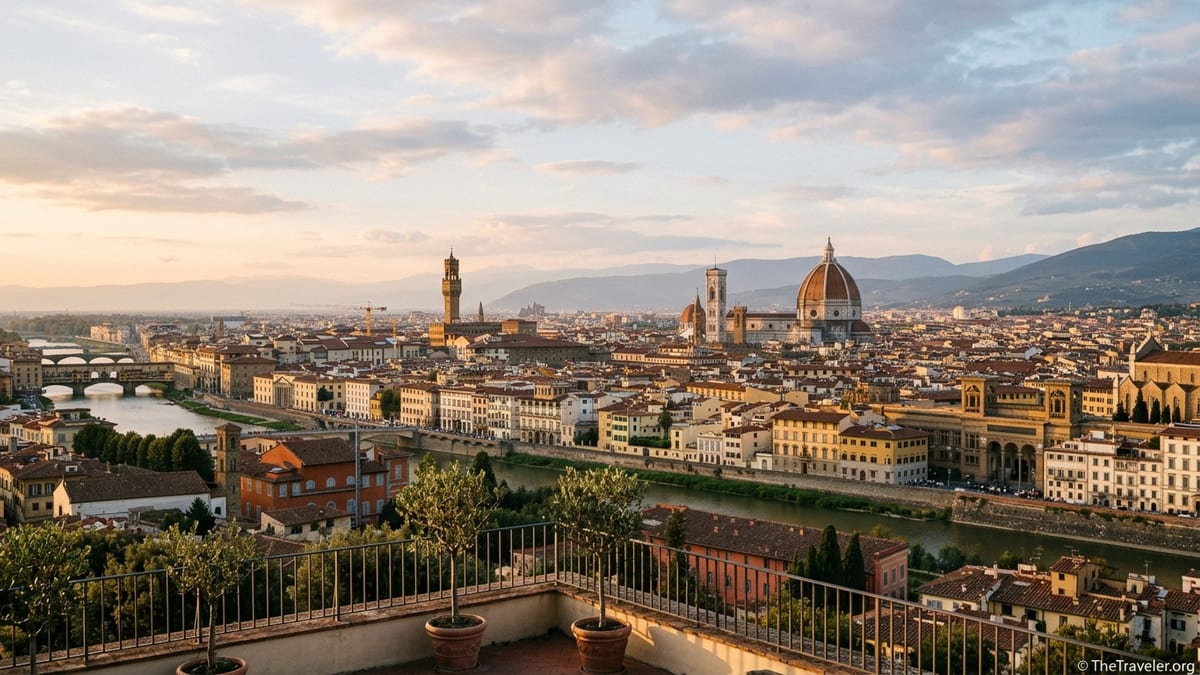
Florence suits visitors driven by Renaissance art and walkable charm. The historic center is compact enough that many people never need public transport. You can walk from the Duomo to the Uffizi Gallery in under 10 minutes and continue across the Ponte Vecchio to the artisan workshops of the Oltrarno without stepping on a bus. However, Florence’s popularity means you often need timed tickets weeks ahead to climb the cathedral dome or visit the Accademia Gallery. For food-focused travelers, Florence also makes a convenient base for day trips to Tuscan wine country, with small-group tours to the Chianti Classico area typically costing from about 90 to 150 euro per person including tastings and lunch.
Venice is at once magical and fragile. With its network of canals, car-free alleys and pastel facades, it is irresistible for photographers and romantics, but its narrow lanes can feel saturated with day trippers when multiple cruise ships are in port. New measures such as day-visitor fees on certain peak dates are designed to manage the flow, so you should check ahead if you plan a quick visit. Staying at least one night, preferably two or three, transforms the experience: early mornings near the Rialto Market or evening walks around Dorsoduro are noticeably quieter than midday around Saint Mark’s Square. Budget-conscious visitors can skip a private gondola ride, which commonly starts around 80 euro for half an hour, and instead take a public vaporetto ride along the Grand Canal for just a few euro.
Milan, long seen primarily as a business hub, has become increasingly interesting as a culture and design stop. It appeals especially to fashion and architecture fans who value sleek hotels and contemporary dining. The Gothic Duomo, Leonardo da Vinci’s “Last Supper,” and the upscale Quadrilatero d’Oro shopping district can all be explored over two full days. Even if you are not a big shopper, Milan’s efficient rail and airport connections make it a smart starting or ending point for trips that continue to Lake Como, the Alps or onward in Europe.
Naples, Amalfi Coast and Puglia: For Food, Coastlines and Southern Energy
Travelers who are excited by street life, strong flavors and a slightly chaotic charm often fall in love with Naples. Compared with the Northern cities, street prices can feel noticeably lower. A classic margherita pizza from a historic pizzeria in the center might cost 6 to 9 euro, and a short ride on the city’s funiculars or metro is usually only a few euro. Naples is also a superb base for visiting Pompeii, Mount Vesuvius and the islands of Capri and Ischia. It suits travelers who do not mind a bit of urban grit and noise in exchange for raw authenticity, late-night energy and some of Italy’s best coffee and pastries.
South of Naples, the Amalfi Coast delivers the cliffside villages and vertiginous views you see on postcards. Towns like Positano, Amalfi and Ravello are spectacular but expensive and logistically complex. During peak summer, hotel rates for a seaview room in Positano can easily exceed 400 to 600 euro per night, and narrow coastal roads often clog with tour buses and taxis. Travelers who want the coastline but with more flexibility often base themselves in Sorrento or Salerno, where prices are lower and train connections to Naples are straightforward, then visit the smaller villages by ferry. This region best rewards couples or groups happy to spend on views, romantic dinners and scenic boat trips.
Further east, Puglia offers a more relaxed and generally better-value alternative for beach and food lovers. The region’s whitewashed hill towns, such as Ostuni and Locorotondo, and the famous trulli houses of Alberobello have become Instagram favorites, but the area still feels less saturated than the Amalfi Coast on most days outside August. Coastal areas like Polignano a Mare and the Salento peninsula provide bright turquoise water, rocky coves and long sand beaches where you can rent a pair of sun loungers and an umbrella for roughly 20 to 35 euro per day, depending on the month. Puglia is ideal for travelers willing to rent a car for a week, base themselves in a masseria (fortified farmhouse) and explore small towns, local wineries and olive groves at an unhurried pace.
For families, the south offers trade-offs. Children may find the ruins of Pompeii and Herculaneum captivating and the beaches of Puglia perfect for shallow swimming, but steep stairs in Amalfi Coast villages and summer heat in cities like Naples can be challenging with strollers. Shoulder-season trips in May, June or late September often deliver more manageable temperatures and slightly lower crowd levels while beaches and ferry routes still operate on extended schedules.
Tuscany, Cinque Terre and Lake Como: Landscapes for Romantics and Slow Travelers
Tuscany remains a dream for many first-time visitors, and with good reason. Beyond Florence, the region’s rolling hills and medieval towns appeal to couples, groups of friends and families who like the idea of renting a villa or farmhouse. Weekly rentals in classic zones such as Chianti, Val d’Orcia or near Siena often start around 1,500 to 2,500 euro in shoulder season for a two- or three-bedroom property with a pool, rising in high summer. From such a base you can spend days visiting wineries, hot spring towns like Bagno Vignoni, and hilltop villages such as Montepulciano or San Gimignano. This is ideal for travelers who value relaxed days, long lunches and scenic drives over packing multiple cities into one trip.
Cinque Terre, a stretch of five fishing villages clinging to the Ligurian cliffs, has become one of Italy’s most photographed destinations. It is especially popular with hikers and younger travelers seeking a mix of short coastal walks, bright facades and swimming platforms. However, visitor numbers have soared to several million per year, and in peak months the narrow lanes and trains between villages can be extremely crowded. Accommodation is limited and often priced accordingly, with even simple sea-view rooms in Vernazza or Manarola commanding high nightly rates in July and August. If you want the experience without the heaviest crowds, consider staying in nearby Levanto or La Spezia and visiting midweek in shoulder season; or treat Cinque Terre as a one- or two-night stop rather than your main beach vacation.
Lake Como, by contrast, offers a more spacious and sometimes more grown-up atmosphere. The lake’s Y-shaped basin is ringed with stately villas, terraced gardens and small towns like Bellagio, Varenna and Menaggio, all connected by regular ferries. It works well for honeymooners, small groups and travelers who enjoy leisurely boat rides and lakeside promenades. While Como town has good train links to Milan, many upscale hotels and guesthouses sit higher on the hill or directly on the lakefront, so you should factor in steep walks or local buses. Prices vary widely: a basic lakeside hotel might run 170 to 250 euro in high season, whereas luxury properties can easily reach four figures per night.
For active travelers, both Tuscany and Lake Como reward slow exploration more than ticking off a checklist of sights. You might spend a morning hiking a short stretch of the Sentiero del Viandante above the eastern shore of Lake Como and an afternoon lingering at a café in Varenna, or cycle a loop between Tuscan villages, stopping for a two-hour lunch in a family-run osteria. These regions suit visitors who prefer a few key bases with day trips, rather than packing and unpacking every one or two nights.
Dolomites, Sicily and Sardinia: Big Nature and Island Escapes
The Dolomites in northeastern Italy are among Europe’s premier mountain playgrounds. In winter, ski resorts such as Cortina d’Ampezzo, Val Gardena and Alta Badia draw skiers to interconnected slopes and modern lifts. In summer and early autumn, the same peaks attract hikers, cyclists and photographers. Mountain huts, known as rifugi, offer overnight stays with simple dorms or private rooms, often including half-board dinners featuring hearty local dishes. Prices vary by location, but a half-board rate might start from around 70 to 100 euro per person in popular areas. Travelers who want a combination of alpine scenery and comfort often base themselves in towns like Ortisei or Corvara and use cable cars to access panoramic trails without committing to multi-day treks.
Sicily, Italy’s largest island, combines beaches, baroque cities and volcanic landscapes. Palermo and Catania serve as major gateways, each with their own flavor: Palermo captivates with its chaotic historic markets and diverse street food, while Catania offers easier access to Mount Etna and the Ionian coast. Inland baroque towns such as Noto, Ragusa and Modica make compelling stops for those interested in architecture and pastry traditions. Coastal spots like Taormina and Cefalù are highly sought after in summer and price accordingly, but you can often find more affordable stays in smaller towns a short drive away. Renting a car strongly improves your flexibility on Sicily, especially if you want to reach quieter beaches and archaeological sites like the Valley of the Temples near Agrigento.
Sardinia feels different again, with an emphasis on clear turquoise water and rugged interior landscapes. The northeast’s Costa Smeralda is famous for its luxury resorts, marinas and high-season nightlife, attracting yacht owners and travelers ready to spend on beach clubs where a simple sunbed package can exceed 50 euro per day in August. Central and southern Sardinia, by contrast, offer long, less-developed beaches, nuragic archaeological sites and villages where traditional festivals still punctuate the calendar. Sardinia is best suited to travelers who enjoy driving, as public transport between beaches, towns and trailheads is limited and seasonal.
These three areas appeal strongly to repeat visitors who have already seen the classic cities or anyone who ranks nature above museums. Families with older children who enjoy hiking, snorkeling or kayaking can do particularly well here, provided they plan around local climate. The Dolomites are lovely for hiking from late June through September, while Sicily and Sardinia are often more comfortable for active sightseeing in May, June, late September and October, when temperatures are warm but not extreme.
Bologna and Lesser-Known Gems: For Foodies and Crowd-Avoiders
Bologna, the capital of Emilia-Romagna, is a favorite among food-focused travelers and those looking to escape the heaviest tourist flows without giving up urban comforts. The city’s portico-lined streets, medieval towers and major university create an energetic yet lived-in atmosphere. Instead of standing in line for the Uffizi, you might spend a morning exploring Bologna’s historic market streets, then join a small-group pasta-making class or balsamic vinegar tasting. Restaurant prices can be more forgiving than in Florence or Venice: a generous plate of tagliatelle al ragù in a traditional trattoria might cost around 12 to 16 euro, and aperitivo buffets remain good value in many neighborhoods.
From Bologna, day trips by train to Modena, Parma and Ferrara are straightforward, often taking under an hour. This makes the city a strong base for travelers who care more about regional food traditions than seeing a particular monument. It also works well as a hub for rail itineraries linking Venice, Florence and Milan, giving you a breather in the middle of a classic circuit.
Beyond Bologna, less-hyped destinations can dramatically change your experience of Italy. In the north, cities like Verona, Padua and Trieste blend historic centers, excellent restaurants and more moderate accommodation prices with fewer tour groups than the “big four” cities. In central Italy, towns such as Perugia, Spoleto and Orvieto offer hilltop views and medieval streetscapes with active local life outside the immediate tourist core. In the south, regions like Basilicata, Calabria and parts of Abruzzo still see relatively light foreign tourism, making them rewarding for adventurous travelers who are comfortable with fewer English-language menus and slightly more complex logistics.
These alternatives particularly suit visitors on second or third trips to Italy or those traveling in peak summer who want to avoid queues. Instead of queuing for an hour at a major museum, you might find yourself alone in a frescoed church in a small Umbrian town or buying vegetables at a market where most of the customers are locals. The trade-off is that these places may require more itinerary research and, occasionally, rental cars or slower regional train lines.
Matching Destinations to Your Traveler Type
Different Italian destinations naturally align with particular traveler profiles. Culture-first travelers who prioritize museums, historic churches and classical architecture tend to do best with a backbone of Rome, Florence, Venice and possibly Milan, plus one or two smaller historic cities. A ten-night first-time trip might reasonably split into three nights in Rome, three in Florence with a day trip into Tuscany, two in Venice and two in a quieter city like Bologna or Verona. This gives a sense of variety while keeping most movements on comfortable high-speed trains.
Beach and relaxation seekers face more trade-offs. The Amalfi Coast and Capri are undeniably beautiful but costly and crowded for much of the year. Puglia, parts of Sicily such as the southeast coast, and quieter stretches of Sardinia often deliver clearer water, wider beaches and more space for less money, especially if you avoid the first half of August. A couple willing to rent a car might fly into Bari, spend a few nights exploring hill towns and olive groves near Ostuni, then continue to a beach base south of Otranto or Gallipoli, staying at small family-run hotels where rooms can be significantly cheaper than on Capri or Positano.
Active travelers and outdoors enthusiasts often pair cities with mountains or countryside. A classic combination might be three nights in Venice followed by four or five in the Dolomites, where you can hike a different trail or via ferrata each day, then finish with two nights on Lake Como or in Milan. Alternatively, art lovers might stay in Florence and add day trips into the Tuscan countryside for cycling or wine-tasting. Families with teenagers may enjoy mixing Rome’s ancient history with easier hikes in the Dolomites and lake swimming in the north.
Budget-conscious travelers can keep costs manageable by centering their trips around mid-sized cities and countryside stays. Instead of three nights each in Rome, Florence and Venice, you might spend longer in places like Bologna, Turin, Lecce or Trento, using regional trains for day trips and choosing self-catering apartments or agriturismo stays. Cooking a few meals at home, eating lunch rather than dinner at pricier restaurants, and traveling in April, early May or October can significantly reduce overall spend without sacrificing the essence of the Italian experience.
The Takeaway
There is no single “best place” to visit in Italy, only destinations that align more or less closely with your priorities, budget and timing. Iconic cities like Rome, Florence and Venice remain essential for many first-timers, but they are far from the country’s only compelling options. Coastal regions such as Puglia and lesser-known cities like Bologna increasingly reward travelers looking for authenticity, value and a bit more breathing room than they might find on the Amalfi Coast or in Cinque Terre at the height of summer.
When planning, start not with a list of famous names but with questions: Do you want more time in museums or on trails, on beaches or at markets? Are you happiest in the buzz of a big city, the quiet of a farmhouse, or somewhere in between? Once you answer those, Italy’s patchwork of cities, coasts, islands and mountains becomes easier to navigate. With realistic expectations, a willingness to travel outside peak weeks and a mix of classic highlights and quieter corners, you can shape an itinerary that feels tailored to the kind of traveler you are, rather than the one social media expects you to be.
FAQ
Q1. Is Italy’s high-speed train network enough to visit most of these destinations without a car?
Yes for the main cities and some lakes, no for many coastal and rural areas. Rome, Florence, Bologna, Milan, Venice and Naples are well linked by high-speed trains. Reaching countryside areas in Tuscany, much of Puglia, Sicily’s smaller towns or rural Sardinia typically requires either a rental car, private transfers or slower regional buses and trains.
Q2. For a first trip of 7 to 10 days, which mix of places works best?
A balanced first itinerary often combines two major cities with one slower base. For example, you might do three nights in Rome, three in Florence with a day trip into Tuscany, and two or three in Venice or on Lake Como. This keeps travel time reasonable, covers major highlights and still allows a taste of countryside or lakeside scenery.
Q3. When is the best time to visit Italy to avoid the worst crowds?
Generally April, early May and October offer a good balance of lighter crowds, pleasant temperatures and open seasonal services. July and the first half of August are busiest, especially in beach resorts, Cinque Terre, the Amalfi Coast and major cities. In winter, cities are quieter but some coastal and island services reduce schedules, and mountain regions focus on skiing.
Q4. Which Italian regions are better value for money compared with Rome or the Amalfi Coast?
In broad terms, Puglia, much of Sicily away from top resorts, parts of Sardinia outside the Costa Smeralda, and inland areas of Umbria, Abruzzo and Basilicata tend to offer lower average prices for accommodation and dining. Mid-sized northern cities like Bologna, Turin and Verona can also be more affordable than Venice or Florence while still offering rich culture and good transport links.
Q5. Is Cinque Terre still worth visiting given the crowds?
Yes for many travelers, if you manage expectations and timing. The villages are visually striking and the coastal paths are beautiful, but peak-season days can feel very busy. Consider visiting in shoulder months, staying in nearby towns like Levanto or La Spezia, and treating the area as a short stop rather than your main beach holiday if you are sensitive to crowds.
Q6. Should I choose the Amalfi Coast or Puglia for a summer beach trip?
The Amalfi Coast is more vertical and dramatic, with famous cliffside villages and high prices; beaches are smaller and often pebbly. Puglia offers a mix of clifftop towns and long sandy stretches, generally lower costs and an easier driving environment. If your priority is iconic scenery and you are comfortable with higher prices and stairs, Amalfi may win. If you want more space, easier swimming and better value, Puglia is often wiser.
Q7. Are the Dolomites suitable for non-expert hikers and families?
Yes, many Dolomites areas are very accessible. Cable cars and chairlifts from towns like Ortisei, Selva and Corvara bring you to high-altitude plateaus with well-marked beginner and intermediate trails, mountain huts serving hot lunches and panoramic viewpoints. Families should choose bases with short, clearly graded walks and check lift opening dates and weather forecasts before heading out.
Q8. Which destinations are best if I am mainly interested in food?
Emilia-Romagna (with Bologna, Modena and Parma) is a strong choice for cured meats, aged Parmigiano Reggiano and traditional balsamic vinegar. Naples and the wider Campania region shine for pizza, seafood and pastries, while Sicily and Puglia excel in fresh produce, street food and regional specialties. Staying in mid-sized cities and countryside agriturismi often gives the best access to authentic local cooking.
Q9. How many destinations should I include in a two-week itinerary?
For a comfortable pace, four to five bases are usually enough in two weeks. As a guideline, aim for at least two or three nights in each city or region, more if you are adding day trips. Constantly changing hotels can erode time and energy you could spend exploring. It is often better to see fewer places in more depth than to rush through a long list.
Q10. Are lesser-known destinations safe and practical for non-Italian speakers?
Generally yes, though you may encounter fewer English-language menus and signs. Basic Italian phrases, an offline translation app and some advance research on transport make a big difference. Trains and buses still connect many smaller cities and towns, but schedules can be less frequent than on main routes, so planning your arrival and departure times carefully is important.