


Italy’s islands have become shorthand for white sand, turquoise water and long, lazy beach days, but each one delivers that dream in a slightly different way. If you are trying to decide between Sardinia’s Caribbean colors, Sicily’s big-island variety, the tiny coves of Favignana and Elba, or wild Lampedusa and thermal Ischia, the real question is not simply “which is best” but “what kind of beach holiday do you want?” This guide compares the main islands and a few smaller ones across concrete criteria that matter to most travelers: white sand and water color, snorkeling, beach clubs, family comfort and the chance to escape to secluded coves.
How These Italian Islands Compare at a Glance
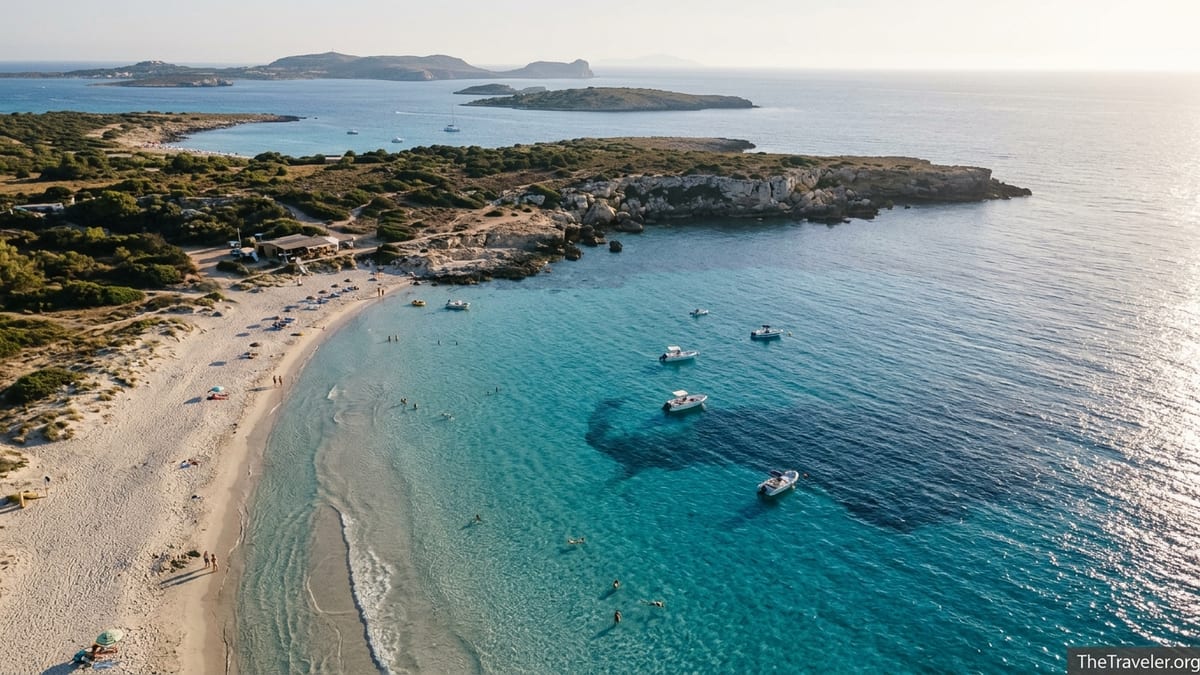
Sardinia generally offers the most consistently white, powdery sand and luminous turquoise shallows, particularly in the northeast around Costa Smeralda, La Maddalena Archipelago and the northwest near Stintino’s La Pelosa. Many regular visitors describe the color of the water here as comparable to the Caribbean, with shallow, sandy bottoms that make wading easy for children and non-swimmers. Boat trips from ports such as Palau or La Maddalena typically cost from around 60 to 100 euros per person in high season, including simple lunch on board, and they are one of the most popular ways to reach small coves you cannot drive to.
Sicily, by contrast, is less about one single “perfect beach” and more about variety. Around San Vito Lo Capo on the northwest coast you will find a long curve of pale sand with clear, usually calm water that is ideal for families, while the east coast around Taormina offers rocky coves such as Isola Bella with excellent visibility for snorkeling. Moving further south, the Vendicari nature reserve near Noto shelters more remote-feeling dunes and coves like Calamosche that reward a short walk with peaceful, protected swimming. This mix means Sicily can work both for sunbed-and-spritz travelers and those seeking wilder landscapes.
Smaller islands like Favignana off western Sicily and Elba in the Tuscan Archipelago appeal to travelers who want to swap long highways for short scooter rides between coves. Favignana’s coastline is largely rocky and carved from pale limestone, so natural platforms and small inlets like Cala Rossa and Cala Azzurra feel almost like private swimming pools when you reach them. Elba, on the other hand, combines sandy family bays such as Fetovaia, Cavoli and Biodola with pebble coves beneath white cliffs like Sansone that are prized by snorkelers for their clear water and marine life.
Further out, Lampedusa delivers that classic magazine-cover image at Spiaggia dei Conigli, often ranked among the most beautiful beaches in the world, while Ischia balances regular sandy beaches with the unusual experience of warm thermal water bubbling up in the sea at places such as Sorgeto and parts of Maronti. Smaller islands like La Maddalena off Sardinia and the Aeolian Islands off Sicily add yet more nuance. In practice, the best choice for you depends on whether your priorities are soft sand, shallow child-friendly water, underwater life, nightlife, or empty coves that require a short hike or boat ride to reach.
White Sand & Turquoise Water: Where the Colors Really Shine
If your main goal is that unreal palette of milky turquoise and electric blue, Sardinia and Lampedusa are the strongest contenders. Around Sardinia’s northeast, beaches such as Capriccioli, Spiaggia del Principe and Cala Brandinchi are famous for luminous shallows over pale sand, which make the sea appear almost opaque light blue on sunny days. On the northwest coast near Stintino, La Pelosa is a narrow spit of almost flour-fine sand with shallow water stretching far out and a view of a 16th century watchtower on an islet. Entry to La Pelosa is now controlled in summer, so expect to pay a modest access fee and book in advance to limit crowds.
Boat excursions from Santa Teresa Gallura or Palau into the La Maddalena Archipelago are a straightforward way to find that color in less crowded settings. Typical day trips stop at beaches like Spiaggia Rosa on Budelli (which is now protected from direct access) and a scattering of pale-sand coves on Spargi and Santa Maria. The boats usually anchor in turquoise coves where you swim directly from the ladder; many operators provide snorkeling masks and a simple pasta lunch. Prices fluctuate each season but tend to start around 70 euros for adults in July and August, with discounts for children and shoulder-season deals in May, June and late September.
Lampedusa’s Spiaggia dei Conigli, sometimes called Rabbit Beach, sits in a protected bay of nearly white sand with a long, shallow gradient and transparent water that often ranks in global “world’s best beaches” lists. Access is on foot down a marked trail, and visitor numbers are capped each day to protect the ecosystem, so summer travelers usually need to go early or accept afternoon entry slots. There are no large permanent structures on the sand, which keeps the view wild, but you will find simple kiosks up near the parking area selling cold drinks, snacks and renting umbrellas that you carry down yourself.
In Sicily, San Vito Lo Capo comes closest to Sardinia’s look, with a broad sweep of pale sand, shallow blue-green water and a relaxed resort town atmosphere. Beach clubs, or lidi, line most of the front, offering two sunbeds and an umbrella that in high summer might cost from around 25 to 40 euros per day, with cheaper options in June and September. Families appreciate being able to step directly from the sand to a promenade of gelato bars and casual seafood restaurants, although those seeking quiet might prefer nearby coves inside the Zingaro Reserve, which require a short hike and have no facilities at all.
Snorkeling & Underwater Life: Clear Water and Rocky Coves
For snorkeling, the formula is slightly different. Instead of long stretches of sand, you are often better off with rocky headlands and small pebble coves where fish shelter among the rocks. Off Sicily’s east coast, the Isola Bella marine reserve below Taormina combines this rocky shoreline with clear, sheltered water, making it a favored spot for casual snorkelers. Renting a mask and fins from the beachside kiosks typically costs the equivalent of a modest restaurant lunch, and small boat tours from nearby Mazzarò often include short snorkeling stops in blue grottoes and along the coast.
The Vendicari reserve in southeastern Sicily is another strong option. Calamosche, a cove framed by rocky promontories and backed by dunes, is known for relatively calm water and a seabed where sand alternates with rocky patches, creating good conditions for spotting fish. You reach it after a walk of about 15 to 20 minutes from the nearest parking area along a marked path, and there are no fixed services on the sand itself, so visitors usually bring their own water and snacks. This combination of short hike and lack of beach clubs helps keep the atmosphere quiet even in busier months.
On Elba, snorkelers are spoiled for choice along the north and west coasts. Sansone, a small white-pebble beach beneath low cliffs, is particularly noted for its clarity, with underwater visibility that often allows you to see schools of fish even from the surface. Nearby La Sorgente shares similar conditions but is usually a little quieter. On the west side, the tiny beach at Pomonte hides a shallow shipwreck just offshore, where swimmers can reach the hull in a few strokes from the rocks; local tour boats and rental kayaks often stop here to let visitors snorkel over the wreck.
Favignana, part of the Egadi Islands off the coast of Trapani, is surrounded by waters protected as a marine reserve. Cala Rossa and Cala Azzurra are carved into pale rock, with terraces and platforms that serve as natural entry points into very clear water. The bays tend to descend quickly from bathtub-warm shallows to deeper blue, and the mix of rock and seagrass makes them attractive for fish. Most visitors rent a bike or electric scooter in Favignana town and spend the day doing a loop of the island, stopping at two or three coves for snorkeling. Local rental shops often provide basic snorkeling gear cheaply, but bringing a well-fitting mask from home is wise if underwater time is a priority.
Beach Clubs, Comfort and Nightlife: Where to Find a Lido Culture
If a comfortable sunbed, waiter service and the option of a sunset aperitivo at your lounger are essential, look first to Sicily’s main resort areas, Ischia and the more developed parts of Sardinia. In Sicily, San Vito Lo Capo, Cefalù and the sandy stretches near Syracuse such as Fontane Bianche all feature a dense line of beach clubs that rent umbrellas and loungers for the day. They typically include showers, changing cabins and a basic restaurant or bar. Prices vary by front-row position, month and fame of the beach, but a pair of loungers with umbrella on a popular strip in August can easily reach 30 euros or more, while simple local lidos on less famous stretches charge far less.
Sardinia’s Costa Smeralda is synonymous with upscale beach clubs, often attached to boutique hotels or chic bars around Porto Cervo. Here you will find polished wooden decks, champagne lists and cushions that attract a yachting crowd, while more down-to-earth clubs line beaches such as Brandinchi, La Cinta near San Teodoro and the family-friendly Marinedda in the north. Many of these operate on a first-come basis in June and September but take advance reservations in late July and August, when the island sees its highest concentration of visitors and Italian holidaymakers.
On Ischia, beach time often mixes with thermal wellness. At Citara, a long sandy bay on the west coast, the large Poseidon Gardens thermal park backs directly onto the sea. Visitors buy a day ticket that includes access to multiple thermal pools set among gardens, spa facilities and a private stretch of beach with sunbeds and umbrellas. Families sometimes choose one parent to enjoy the spa pools while the other stays with children on the sand, since younger kids have restricted access to some of the hottest thermal basins. On the south coast, Maronti Beach offers a mix of simple lidos with sunbeds and informal trattorias set right on the sand, plus the unusual experience of hot sand and fumaroles near certain sections.
Elba and Favignana also offer beach clubs, but on a more modest scale. On Elba’s Fetovaia and Cavoli, for instance, stretches of lidos with umbrellas, pedal boats and snack bars sit alongside small free sections where you can spread your own towel. Beach bars here lean toward a casual, barefoot vibe with early evening aperitivo, rather than full-blown nightlife. Favignana’s rocky coves limit the number of formal clubs directly on the water, so many visitors base themselves in town where there are bars and gelaterie and then head out with portable umbrellas and cool bags during the day.
Family-Friendly Beaches: Shallow Water and Easy Logistics
Families with young children tend to value shallow water, nearby parking or public transport, bathrooms and a choice of places to eat without long transfers. Sardinia scores highly here in areas like the Gulf of Orosei’s easier-access beaches near Cala Gonone, the long sandy arc of La Cinta near San Teodoro and parts of Chia in the south where parking areas sit close to the dunes. These beaches often have lifeguards in high season, playground equipment or inflatable water toys just offshore and kiosks renting paddle boats and stand up paddle boards. Renting a basic umbrella and two loungers on a family-oriented stretch in June can cost less than in the more exclusive north, making the south cost effective for longer stays.
San Vito Lo Capo in Sicily is another archetypal family base. The water stays shallow a long way out, waves are usually gentle and the sand is firm enough for sandcastle building yet soft underfoot. You can walk from most small hotels and apartments in town to the beach in under ten minutes, eliminating the need for constant parking. Beach clubs offer package deals that include loungers, umbrella and sometimes a light lunch for a set price. When children need a change of scene, boat trips along the Zingaro coast or an evening gelato stroll along the promenade fill the gap without long drives.
On Ischia, Maronti and Citara are noted for their wide sandy strips and facilities that work well for families, from easy access to bathrooms and snack bars to shallow areas near the shore. Some sections of Maronti are quieter and more natural, while others are lined with lidos where families can reserve front-row umbrellas. A particular bonus here is visiting in shoulder months such as late May or late September, when sea temperatures remain pleasant but daytime heat is softer and the beaches are less crowded, making it easier to manage naps in the shade and stroller access along the promenade.
Elba’s southern beaches of Fetovaia and Cavoli combine a sheltered orientation with soft sand and clear, mostly calm water, which appeals to families who still want a sense of wild scenery. Parking can be limited at peak times, so many parents aim to arrive either early in the morning or later in the afternoon, planning a long lunch break off the sand in the hottest hours. Simple beachfront bars serve pasta, panini and fruit granitas, making it realistic to spend the entire day by the sea without driving elsewhere for meals.
Secluded Coves & Wild Corners: Escaping the Crowds
Travelers who are willing to walk a little or join a small-boat excursion are rewarded with quieter coves on almost all of these islands. In Sardinia, the Gulf of Orosei between Cala Gonone and Santa Maria Navarrese is known for dramatic limestone cliffs punctuated by small coves such as Cala Luna, Cala Mariolu and Cala Goloritzé. Regular boats and smaller rubber dinghies shuttle visitors from ports along the gulf, with ticket sellers advertising excursions on the seafront. Depending on the type of trip, you might pay from around 40 to 70 euros per person in high summer, visiting several coves for swimming with limited facilities, so bringing water and snacks is essential.
In western Sicily, the Zingaro Nature Reserve between San Vito Lo Capo and Scopello offers a string of coves such as Cala Capreria and Cala dell’Uzzo that can only be reached on foot or by small boat. Visitors enter at one of the reserve gates and follow coastal paths with panoramic views, dropping down to pebble beaches of clear water where there are no permanent structures or beach clubs. The absence of bars and sunbeds makes these less convenient for very young children but ideal for couples and hikers seeking a more natural setting.
Favignana’s appeal lies almost entirely in its coves rather than conventional long beaches. Cala Rossa, for example, is reached by descending paths and steps cut into the old tuff quarries; once there, you spread your towel on flat rocks or small pockets of sand between ledges, and jump directly into intensely turquoise water. There are no services right at the cove, so a common strategy is to pack a picnic in town, cycle or scooter out in the morning, swim and snorkel for a few hours, then retreat to town for a late lunch during the midday heat. Because access requires a little effort, these inlets feel calmer than busier resort beaches, especially outside August weekends.
On Elba, small coves like Seccheto, Sant’Andrea or the less obvious pull inlets along the north coast between Portoferraio and Marciana Marina give a similar feeling of escape. Many are signposted only by small roadside boards or visible as narrow tracks descending from the coastal road, so part of the pleasure is exploratory. In many of these places there are no formal services beyond a modest beach bar or seasonal kiosk, and mobile reception can be patchy, making them better suited to independent travelers rather than those who need guaranteed shade and structured activities.
Island By Island: Which One Is Best for You?
Choosing between these islands is ultimately a matter of matching their personalities to your priorities and travel style. Sardinia makes most sense if uninterrupted white sand, perfect water color and a balance of comfort and wilderness are non-negotiable. The northeast and northwest coasts in particular cater to travelers who want organized beach days, family-friendly shallows and the option of boat trips to otherwise inaccessible coves. Prices in high season can be significant, especially for upscale beach clubs and waterfront restaurants, but visiting in June or September often unlocks better value while preserving warm sea temperatures.
Sicily, being far larger, suits travelers who want beach time woven into a broader cultural and culinary itinerary. You might divide a week between a base like Cefalù or San Vito Lo Capo for extended beach days and a city such as Palermo, Catania or Syracuse for history and nightlife. Beach quality ranges from broad, sandy family favorites to rocky snorkeling spots, so it pays to research your specific base rather than relying on the island’s general reputation. Car rental offers the greatest flexibility, though many locations are also served by seasonal buses and organized boat or coach excursions to nearby coves and islands.
Favignana and Elba work well for travelers who prefer a compact setting where car-free or low-car holidays are realistic. On Favignana, you step off the ferry, walk a few minutes to your accommodation in town and then move primarily by bike or scooter between coves, returning each evening for seafood dinners on the harborfront. Elba has more elevation change and a wider range of villages, but the essential rhythm is similar: choose a base like Marina di Campo, Portoferraio or Capoliveri, then spend your days driving short distances to different beaches, many of which feel very different in character despite being close together.
Lampedusa and Ischia fill more specific niches. Lampedusa is for those willing to travel further south, often via a connecting flight from mainland Italy or Sicily, in exchange for some of the clearest water and most striking beach scenery in the country. Infrastructure is simple but adequate, with small hotels, guesthouses and boat operators offering day trips around the island. Ischia, by contrast, suits travelers who like the idea of combining beach relaxation with thermal spas and garden-like hotel complexes. Here, days can alternate between classic sandy beach time on stretches like Maronti and Citara and half-days soaking in mineral pools or visiting the mediaeval Aragonese Castle just offshore from Ischia Ponte.
The Takeaway
There is no single “best” Italian island for beaches, but there is almost certainly a best one for the kind of holiday you have in mind. If your mental picture is pure white sand, bright turquoise shallows and boat trips to hidden coves, Sardinia or Lampedusa are the obvious front-runners. If you prefer combining beach days with historic towns, food markets and baroque streets, then Sicily, with side trips to Favignana or the Aeolian archipelago, delivers a richer mix.
For travelers who value a smaller-scale experience where you can quickly feel you know the island, Elba and Favignana are compelling, offering easy hops between very different beaches in a single day. Families might gravitate toward the shallow, serviced bays of Sardinia, San Vito Lo Capo or Ischia’s main beaches, while couples and hikers lean toward Zingaro’s coves, the Gulf of Orosei, Favignana’s quarries or Elba’s cliff-backed inlets. In every case, visiting outside the core Italian holiday weeks in August will dramatically change your experience, with more space on the sand, lower prices for sunbeds and a calmer island rhythm.
Whichever island you choose, a few practical steps can improve your trip: book rental cars or scooters early for July and August, pack reliable reef-safe sunscreen and a comfortable mask and snorkel, and be prepared to mix easy-access beaches with at least one hike or boat ride to a more remote cove. That combination of comfort and discovery is where Italy’s islands truly shine, turning a simple beach break into a set of vivid, lasting memories.
FAQ
Q1. Which Italian island is best overall for white sand and turquoise water?
Sardinia is usually the top choice for consistently soft white sand and turquoise water, especially around Costa Smeralda, La Maddalena Archipelago and Stintino’s La Pelosa.
Q2. Where should I go if I want the most beautiful single beach?
If you want one standout beach, Spiaggia dei Conigli on Lampedusa and La Pelosa in Sardinia are often cited as Italy’s most spectacular, though both can be busy in August.
Q3. Which island is best for snorkeling from the beach?
For easy-access snorkeling, look to Sicily’s Isola Bella and Vendicari reserve, Elba’s Sansone and Pomonte, and Favignana’s rocky coves such as Cala Rossa and Cala Azzurra.
Q4. What is the most family-friendly island for a beach holiday?
Sardinia’s long sandy bays, San Vito Lo Capo in Sicily, and Ischia’s Maronti and Citara beaches are especially good for families thanks to shallow water and solid facilities.
Q5. Are Favignana and Elba suitable without a car?
Favignana works very well without a car, as you can get around by bike or scooter. On Elba, a car is helpful, but staying near a major beach town reduces the need to drive daily.
Q6. Which islands have the best beach clubs and nightlife?
Costa Smeralda in Sardinia and resort areas like San Vito Lo Capo, Cefalù and Taormina’s coast in Sicily offer the densest concentration of beach clubs and evening options.
Q7. Where can I find quiet, secluded coves away from crowds?
Consider Sardinia’s Gulf of Orosei, Sicily’s Zingaro Reserve, Favignana’s smaller inlets and Elba’s lesser-known north coast coves, many of which require a hike or boat ride.
Q8. Is Ischia mainly about spas or are the beaches good too?
Ischia is known for thermal spas, but it also has good sandy beaches like Maronti, Citara and San Montano, plus unusual spots where warm springs meet the sea.
Q9. When is the best time of year to visit these islands for beach weather?
Late May to early October generally offers reliable beach weather, with June, early July and September ideal for warm seas, fewer crowds and more reasonable prices.
Q10. If I only have one week, should I combine islands or stay on one?
For a relaxed beach trip, basing on one island is usually best. Shorter hops like Sicily with Favignana or Sardinia with La Maddalena work if you are comfortable with travel days.