

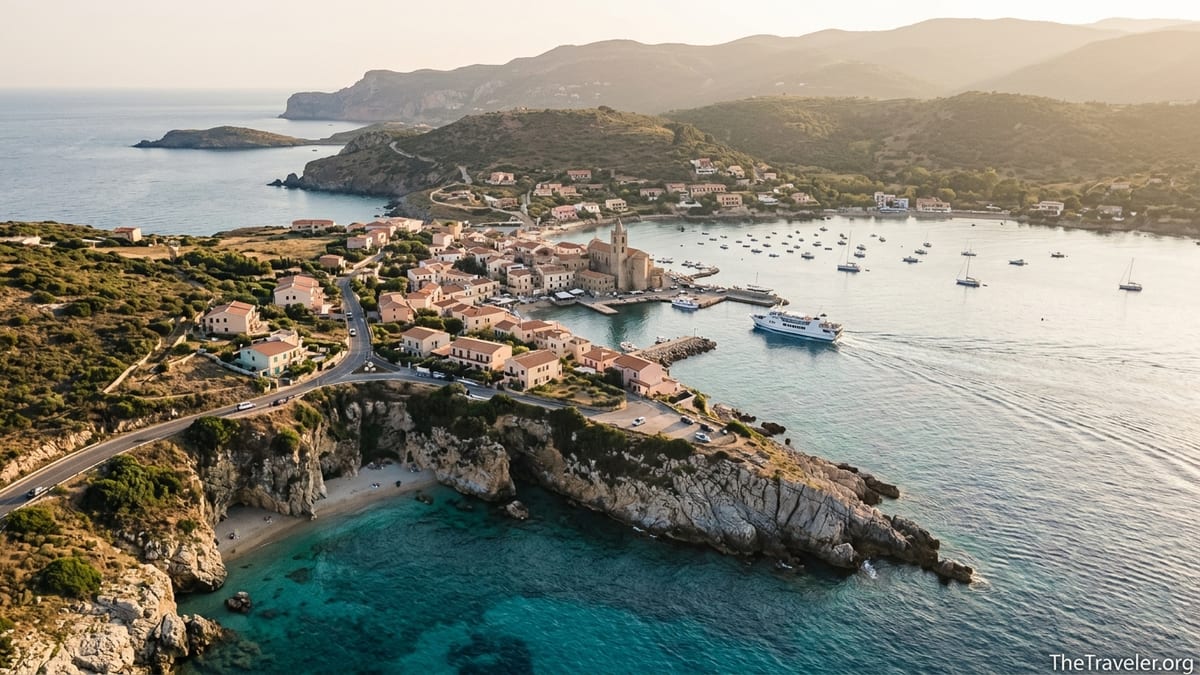
Italy’s islands range from volcanic Sicilian landscapes to the soft coves of Sardinia and the chic terraces of Capri. For a first-time visitor, the choice can feel overwhelming and the logistics confusing: which island suits you, how you actually get there, when to go, and what it all costs. This guide focuses on the main holiday islands and archipelagos that most first-timers consider, with practical, current details to help you turn an idea into a clear itinerary.
How to Choose the Right Italian Island for Your First Trip
Before you start checking ferry timetables, think about what you want most from your island time. For a classic “grand tour” feel with historic cities, baroque churches and ancient ruins alongside beaches, Sicily is usually the best starting point. If you prefer wild coves, Caribbean-style water and a quieter pace, Sardinia tends to deliver. Travelers craving a short, glamorous side trip from Rome or the Amalfi Coast often focus on Capri, Ischia and Procida in the Bay of Naples. Smaller archipelagos such as the Aeolian, Egadi and La Maddalena offer a more local, low-rise atmosphere where the sea and nature are the main events.
Duration matters too. With only four or five days, it is realistic to base yourself on one island with good connections, such as Capri or Ischia from Naples, or Elba from the Tuscan coast. With 10 to 14 days, you can comfortably combine a large island with a nearby cluster: for example, a week in eastern Sicily around Catania and Taormina, plus three nights on the Aeolian island of Lipari; or a Sardinia road trip that finishes with a two-night stay in the La Maddalena archipelago.
Budget is another filter. High-end destinations like Capri and parts of Costa Smeralda in northern Sardinia have summer hotel rates that rival Paris or London, with many four-star rooms starting well above 300 euros per night in July and August. By contrast, family-run B&Bs in Sicilian towns such as Cefalù or Trapani often remain in the 90 to 150 euro range in shoulder season. Smaller islands such as Procida, some Aeolian or Egadi islands, and non-resort towns on Sardinia can still feel affordable if you avoid the peak Italian holiday weeks around mid-August.
Finally, consider your travel style. Independent travelers comfortable with renting a car and navigating mountain roads will find it easier to explore larger islands like Sicily and Sardinia, where public transport is patchy outside major towns. If you prefer not to drive, compact islands with established bus networks such as Capri, Ischia and Procida, or walkable bases like Lipari and La Maddalena town, are simpler options for a first visit.
Getting There: Airports, Ferries and Seasonal Connections
Most international visitors reach the big islands by air. Sicily’s main gateways are Catania Fontanarossa Airport in the east and Palermo Falcone Borsellino Airport in the northwest, both with year-round European connections and increasing seasonal flights from North America. A smaller airport at Comiso serves parts of the southeast around Ragusa and the Val di Noto, while Trapani in the west handles low-cost and seasonal routes. Recent data shows Catania as Sicily’s busiest airport by passenger numbers, ahead of Palermo, highlighting how central it is for eastern Sicily and the Aeolian Islands.
Sardinia has three principal airports: Cagliari Elmas in the south, Olbia Costa Smeralda for the northeast and Costa Smeralda area, and Alghero Fertilia in the northwest. For a La Maddalena or Costa Smeralda-focused trip, many visitors fly into Olbia, rent a car and drive one to two hours to their accommodation or to the ferry port at Palau. On the mainland, Naples Airport serves the Bay of Naples islands, while Pisa and Florence are common gateways for travelers heading to Elba from the Tuscan coast.
Ferries and hydrofoils are the lifelines of the smaller islands. To Capri, frequent high-speed services run in season from Naples Molo Beverello and Sorrento, with additional routes from the Amalfi Coast. To Ischia and Procida, hydrofoils and slower ferries depart from Naples and Pozzuoli, running more frequently between late spring and early autumn and on a reduced schedule in winter. On a recent Ischia route, a standard adult hydrofoil ticket from Naples Beverello has been in the range of roughly 18 to 24 euros one way, depending on company and season; basic ferries that take cars are often slightly cheaper but slower.
For archipelagos, you typically connect via a coastal town: Milazzo or Messina for the Aeolian Islands, Trapani for the Egadi Islands, Palau for La Maddalena, and Piombino in Tuscany for Elba. These crossings are usually short, from about 20 minutes between Palau and La Maddalena to roughly one hour between Milazzo and Lipari. The trade-off is that timetables can be highly seasonal and sensitive to weather, especially for smaller hydrofoils, so first-time visitors should avoid planning tight same-day connections with onward flights, particularly outside July and August.
Sicily and the Aeolian & Egadi Islands
Sicily is Italy’s largest island and feels almost like a separate country, with distinct regional food, architecture and landscapes. For first-timers, a classic route combines Palermo and the northwest with Catania and the east. Palermo offers bustling street markets and easy day trips to seaside Cefalù, while Catania sits under Mount Etna and acts as a natural jumping-off point for Taormina, Siracusa and the Aeolian Islands. With current volcanic activity occasionally disrupting Catania’s airport operations, it is wise to build in flexibility: for example, scheduling important long-haul flights in and out of Rome or Milan, and using Sicily’s airports for European hops.
The Aeolian Islands, north of Sicily, suit travelers dreaming of volcanic scenery and boat excursions. Most visitors base on Lipari, which has the widest range of hotels, apartments and restaurants, and take day trips to neighbouring islands such as Vulcano with its steaming fumaroles, and Stromboli, whose nighttime eruptions can sometimes be seen from boat tours when conditions allow. Expect summer room rates on Lipari to start around 130 to 180 euros per night for a mid-range hotel, with simpler guesthouses and apartments under that in shoulder months like May and late September.
On Sicily’s west coast, the Egadi Islands feel quieter and more low-key. Favignana, the largest, has clear, shallow coves such as Cala Rossa and Cala Azzurra that attract families and snorkelers. The island is small enough that many visitors simply hire bicycles for a day rather than renting a car. Regular ferries from Trapani make Favignana a realistic two or three-night add-on to a western Sicily trip that might already include Palermo, Erice and the ancient site of Segesta. Accommodation here tends to be simpler than on the Aeolian Islands, with family-run B&Bs in Favignana town often starting under 150 euros in shoulder season.
Costs in Sicily remain relatively good value for Italy. A simple espresso in a neighbourhood bar can still be around 1.20 euros, and a plate of pasta alla Norma in a local trattoria in Catania or Siracusa might run 10 to 14 euros. Car rental, on the other hand, can add significantly to a budget in high season, and parking in popular towns like Taormina is limited and expensive. First-time visitors who are uneasy about driving may prefer to concentrate on one area that can be explored by bus and train, such as the Catania–Taormina–Siracusa corridor paired with a guided day trip to the Etna slopes.
Sardinia, La Maddalena and Smaller Northern Islands
Sardinia is famous for its water: a palette of pale turquoise and deep cobalt that draws both Italian families and international visitors each summer. The northeast, especially around Costa Smeralda, is where you find polished marinas, designer boutiques and beach clubs. Hotel rates here climb steeply in July and August, with many four-star properties starting around 350 to 500 euros per night. About a 50-minute drive north of Olbia, the small port town of Palau is the main gateway to the La Maddalena archipelago, a cluster of islands set in a protected national park.
The ferry from Palau to La Maddalena town runs roughly every 20 to 30 minutes in summer and takes about 15 minutes, carrying both foot passengers and vehicles. Prices are modest for such a short crossing, which makes it easy to bring a rental car over for a few days if your contract allows. Once on La Maddalena, a simple ring road takes you to a string of beaches with granite rocks and shallow, clear water. Many visitors also take small-boat excursions to the even more protected islands of Spargi and Budelli, where numbers are controlled and boats must respect strict anchoring rules to protect the seabed.
Elsewhere in Sardinia, the Gulf of Orosei on the east coast, reached from towns like Cala Gonone, offers some of the island’s most dramatic coastal scenery, with high limestone cliffs and boat-access-only coves. Southern Sardinia near Villasimius and Chia delivers long sandy beaches backed by low dunes and is often slightly less crowded than the north in peak weeks. Public buses exist but are limited for beach-hopping, so first-time travelers who want flexibility generally rent a car from Cagliari or Olbia airports and base themselves in one area for at least four or five nights.
Costs vary widely by area and season. In quieter coastal villages away from the main resorts, it is still possible in June or late September to find basic double rooms in family-run hotels from around 100 to 140 euros per night, and a seafood dinner with house wine for two for under 70 euros. On the other hand, beach clubs in the most fashionable parts of Costa Smeralda can charge premium daily rates for a pair of sun loungers and an umbrella. Budget-conscious visitors can often save by using public sections of the beach, bringing simple picnic lunches, and eating main restaurant meals at lunchtime rather than dinner.
Capri, Ischia, Procida and Elba: Classic Holiday Islands
Capri, within easy reach of Naples and the Amalfi Coast, is often the first Italian island name that comes to mind. Its steep cliffs, chic Piazzetta and views of the Faraglioni rock stacks make it a magnet for day-trippers in summer. For a first visit, staying at least one night allows you to enjoy quieter mornings and evenings after the last excursion boats leave. High-speed hydrofoils from Naples Molo Beverello usually take around 50 to 60 minutes, with ticket prices reflecting the island’s popularity. Many visitors without cars rely on the island’s funicular, small buses and taxis to move between Marina Grande, Capri town and Anacapri.
Ischia, by contrast, feels more spread out and lived-in, with several different towns and thermal parks. Hydrofoils from Naples to Ischia Porto or Forio typically take under an hour, with one-way adult tickets often in the 20 to 25 euro range for high-speed services in recent seasons. Slower ferries serving Porta di Massa can take around 90 minutes but are better if you are bringing a rental car. Ischia’s appeal lies in its mix of sandy beaches like Maronti, garden-like thermal parks with a dozen different pools, and a castle-topped headland at Ischia Ponte that looks spectacular at sunset.
Procida, the smallest of the three Bay of Naples islands, is a good choice for travelers who prefer a quieter, local feel. Its pastel harbour at Marina Corricella is one of the most photographed in the region, yet the island has limited hotel capacity compared with Capri or Ischia. This keeps summer prices relatively high for the best-located rooms, but it also prevents the kind of large-scale development found elsewhere. Ferries from Naples and Pozzuoli typically stop here en route to or from Ischia, so journey times are short and it is realistic to visit on a day trip if you are staying in Naples.
On the Tyrrhenian coast further north, Elba sits off Tuscany and has long been a favourite with Italian families. Ferries from Piombino to Portoferraio can take about an hour, and in peak months services are frequent enough that many travelers simply show up at the port and buy tickets on the day, though advance booking is still recommended if you have a car. Elba’s beaches range from wide sandy arcs near Marina di Campo to small pebble coves with remarkably clear water on the north coast. Accommodation is heavily seasonal: simple seaside hotels that might be 120 euros per night in late May can more than double by early August.
Beaches, Seasons and What It Really Costs
Each island group has its own beach character. Sicily’s coastline mixes sand, pebble and dark volcanic rock. Near Taormina, the small bay of Isola Bella offers a scenic but often crowded shingle beach, while areas near Cefalù and San Vito Lo Capo are known for broader sandy stretches suited to families. The Aeolian and Egadi archipelagos lean toward coves, rock platforms and small beaches where water shoes can be helpful. Sardinia and La Maddalena are the place for pale sand and shallow turquoise lagoons, ideal for children and casual swimmers.
In the Bay of Naples, Capri’s best-known bathing spots, such as Marina Piccola, are mostly paid beach clubs or rocky platforms with ladders into deep water. Ischia and Procida offer more sand: Maronti and Citara on Ischia, or Chiaia and Pozzo Vecchio on Procida, are good first-time choices with bars and basic facilities. Elba’s north coast has a mix of sand and pebble beaches like Sansone and Capo Bianco where the clarity of the water is the main draw. For a first island trip, it can be wise to balance a couple of serviced beaches where you rent loungers and umbrellas with days at wilder coves reached by short walks or boat.
Seasonality drives both crowd levels and prices. Late June through early September is high summer, with domestic demand peaking around the Ferragosto holiday on August 15. In this window, room rates and car hire prices are at their highest, and ferries, especially to Capri and the Aeolian Islands, can sell out at peak departure times. Shoulder seasons from May to mid-June and September into early October are often the sweet spot for first-time visitors: sea temperatures are pleasant, many hotels and restaurants are open, and you can still find mid-range doubles between about 120 and 200 euros per night in popular areas if you book ahead.
As a working guideline, a moderate daily budget for two on a big island like Sicily or Sardinia outside peak weeks might look like 150 to 220 euros for a decent double room, 60 to 90 euros for meals and drinks if you mix sit-down restaurants with simpler lunches, plus transport costs such as 40 to 70 euros per day for a compact rental car in shoulder season. On premium islands like Capri or in Sardinia’s most famous resort areas, you may need to increase the accommodation figure significantly in July and August, or adjust expectations towards simpler guesthouses and apartments further from the most iconic viewpoints.
First-Time Planning Essentials: Transport, Booking and Island Hopping
For a first trip, keeping logistics simple pays off. Try to limit long transfers on travel days: for example, if you land in Rome late in the afternoon, consider spending that night in the city and taking a morning train to Naples or a flight to Sicily the next day, rather than attempting to reach an island the same evening. Similarly, avoid scheduling a last hydrofoil back from Capri or Ischia on the same day as a long-haul flight home. Sea conditions can deteriorate quickly, and high-speed boats are more likely than large ferries to be cancelled or rescheduled when winds pick up.
Booking ferries and hydrofoils in advance is advisable in July and August, especially for popular midday sailings and for routes where you need to transport a car, such as Piombino to Elba or Sardinian services to La Maddalena. Outside peak weeks, many travelers still buy tickets a day or two ahead, either online or at port ticket offices, which gives some flexibility to adjust for weather. On short crossings like Palau to La Maddalena, advance purchase is less critical because departures are so frequent, but carrying some cash and arriving at the port 30 to 40 minutes early is still wise in high season.
When designing an itinerary that includes more than one island group, think in terms of regional clusters. One practical combination is “Eastern Sicily plus Aeolian Islands,” using Catania or Palermo as your gateway, then the port of Milazzo for the ferry to Lipari or Vulcano. Another is “Naples, Capri and Ischia,” which works well with flights into and out of Naples and allows you to divide a week between a city base and one or two islands. For Sardinia, “Northern Sardinia plus La Maddalena” is the classic starter route, while “Southern Sardinia plus a short inland stay” offers a quieter mix of beach and countryside near Cagliari.
Accommodation strategy also helps first-timers avoid stress. On the larger islands, choosing two main bases for a week, rather than trying to sleep in a new town every night, means less time packing and checking in and out. For example, three or four nights on Sicily’s east coast near Taormina or Siracusa, followed by three or four nights in Palermo or Trapani, gives enough variety without constant moving. On smaller islands, staying close to the main port or bus hub simplifies arrival and departure days: in Ischia Porto or Capri town you can walk or take short bus rides to most sights instead of relying on taxis for every outing.
FAQ
Q1. Which Italian island is best for a first-time visitor?
For a mix of culture, scenery and beaches, Sicily is usually the strongest single choice. If you want a shorter, easier add-on to a mainland trip, consider Capri or Ischia from Naples.
Q2. Do I need to rent a car on the islands?
On large islands like Sicily and Sardinia, a car gives you far more flexibility, especially for smaller beaches and hill towns. On Capri, Procida, La Maddalena town and many Aeolian islands, you can manage well with buses, taxis and walking.
Q3. When is the best time of year to visit the Italian islands?
May, June, September and early October usually offer the best balance of warm weather, swimmable seas and manageable prices. July and August are the busiest and most expensive months.
Q4. How much should I budget per day on an Italian island?
Outside peak August, many first-time travelers find that 220 to 320 euros per day for two people covers a mid-range hotel, meals, local transport and small activities, though premium destinations like Capri and Costa Smeralda often cost more.
Q5. Are ferries and hydrofoils reliable?
In summer they are generally reliable, but services can be delayed or cancelled in rough seas, particularly hydrofoils. It is safer not to plan tight same-day connections with international flights.
Q6. Can I visit more than one island group on a single trip?
Yes, but it is best to focus on one region. Combining eastern Sicily with the Aeolian Islands, or Naples with Capri and Ischia, works well for a one- to two-week itinerary.
Q7. Is Capri worth staying overnight, or is a day trip enough?
A day trip shows you the main views but can feel crowded. One or two nights let you enjoy quieter mornings and evenings, explore Anacapri and take your time at viewpoints.
Q8. Which island is most family-friendly?
Ischia, Elba and many areas of Sardinia are very family-friendly, with sandy beaches, shallow water and a good choice of apartments and mid-range hotels that suit longer stays.
Q9. Do the islands stay open in winter?
Major islands like Sicily and Sardinia are year-round destinations, but beach services are reduced. Smaller islands see fewer ferries and many hotels, beach clubs and restaurants close from late autumn to early spring.
Q10. How far in advance should I book accommodation and ferries?
For travel in July and August, it is sensible to book hotels and key ferry crossings several months ahead. For May, June, September and early October, booking four to eight weeks in advance is usually enough for most travelers.