

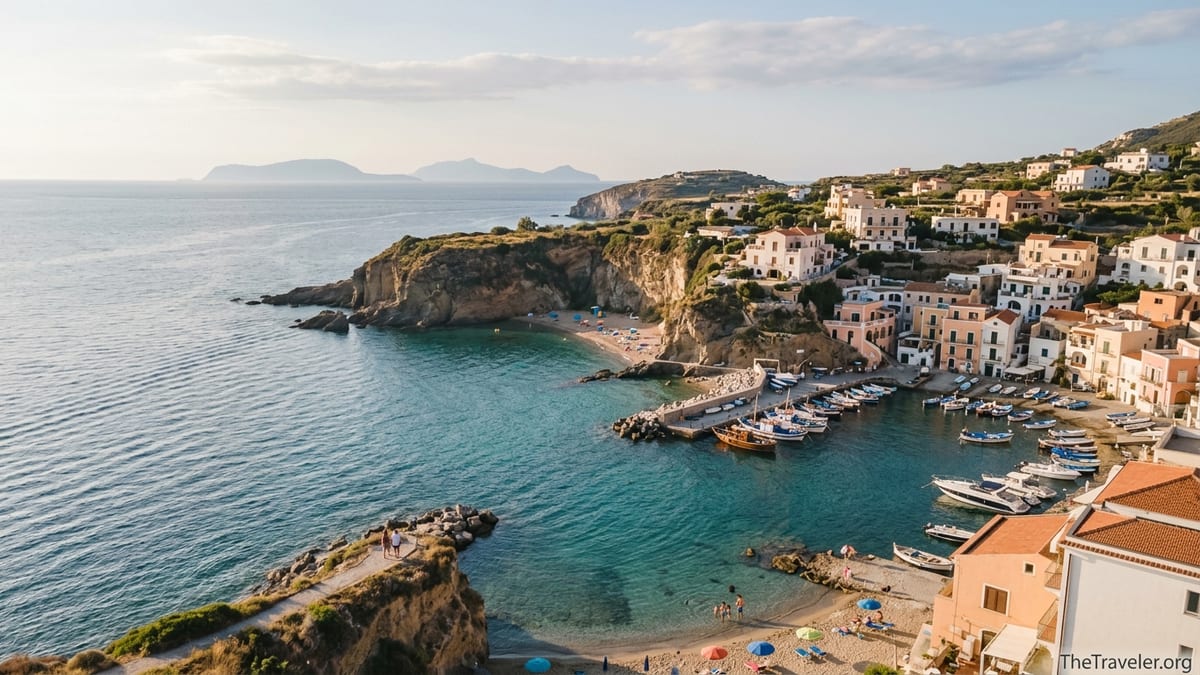
Italy has more than 450 islands, but when you start planning a beach escape, the same names tend to pop up: Sicily, Sardinia, Capri, Ischia, Elba, the Aeolian Islands, the pastel harbors of Procida and the low-key coves of Favignana. Each has its own personality, price point and ideal traveler. This guide compares the major Italian islands that English-speaking travelers ask about most, with on-the-ground examples of what you actually see, spend and experience once you step off the ferry.
How to match an Italian island to your travel style
Before falling for a single aerial photo on social media, it helps to be clear on your priorities. A couple looking for romantic swims, long dinners and boutique hotels will have a very different experience in Capri than a family that needs sandy, shallow beaches and self-catering apartments in Sardinia. Likewise, nightlife in an Aeolian island like Panarea feels nothing like the relaxed promenades on Procida or the early-to-bed rhythm of Salina.
Broadly speaking, Sicily and Sardinia work like small countries, with major airports, highways and multiple regions. Islands such as Capri, Ischia, Elba, Procida, Favignana and the Aeolian group feel like distinct villages where you walk, rent a scooter or rely on small local buses. Costs also vary sharply. A peak-season night in a sea-view hotel in Capri town can easily reach several hundred euros, while a family-run pensione in Elba or western Sicily may start under 120 euros in June, with breakfast and parking included.
Access can be a deciding factor. Capri and Ischia are reached by frequent ferries and hydrofoils from Naples and Sorrento, often taking 45 to 90 minutes. Elba connects by ferry from Piombino on the Tuscan coast in about an hour. Favignana, in the Aegadian Islands, usually requires a flight to Trapani or Palermo and a further ferry, while remote Lampedusa and Linosa involve longer crossings or domestic flights, better suited to seasoned Italy travelers who value frontier-like beaches over convenience.
Once you are clear on how far you want to travel, how much you want to spend and whether you care more about beaches, food, nightlife or nature, you can start to match islands to your style. The following sections break down Italy’s most asked-about islands into practical categories, with real-world examples of where you swim, what you eat and what a typical day actually feels like.
Sicily: Big-island energy, culture and varied coasts
Sicily is the Mediterranean’s largest island and feels like a standalone destination rather than a side trip. It offers volcanic black-sand bays near Taormina, long family-friendly beaches in places like Cefalù and San Vito Lo Capo, and rugged coves in the south. Many travelers combine a week in Sicily with a few nights on nearby island chains such as the Aeolian or Aegadian Islands, reached from ports like Milazzo and Trapani.
For couples, eastern Sicily can feel especially cinematic. Taormina combines Belle Époque hotels, the Greek theater high above the sea and the pebble beaches of Isola Bella, reached by cable car. Evening passeggiata in Ortigia, the island old town of Syracuse, brings lantern-lit bar terraces and wine bars serving Etna reds and seafood crudo. A sample midrange dinner of grilled swordfish, caponata and a shared bottle of local wine often comes to a moderate bill compared with northern Italy, especially outside peak August.
Families tend to favor areas with sandy beaches and easy flights. Cefalù, on the north coast, pairs a long sandy bay with shallow water and a medieval town within walking distance. Many apartments sit a few streets back from the seafront, giving access to bakeries and gelaterie without the price tag of waterfront hotels. Western Sicily near Trapani adds kite-friendly shallows in Stagnone Lagoon and ferries to Favignana for day trips, giving older children the fun of a short boat ride and bike rental on arrival.
Food-focused travelers rarely leave disappointed. Sicily’s street food scene ranges from sfincione pizza slices in Palermo markets to arancini in Catania kiosks and almond granita at bar counters in Noto. Winery visits around Etna or Marsala can be stitched into a coastal itinerary, with many estates offering tastings and vineyard lunches by prior reservation. The variety of landscapes means you can wake to sea views, drive inland to baroque hill towns or olive groves, and return to the coast for sunset aperitivo on the same day.
Sardinia: Wild beaches, families and slow luxury
Sardinia, Italy’s second largest island, is best known for its coastline. Northern stretches around the Costa Smeralda and La Maddalena archipelago offer Caribbean-clear water and granite boulders, drawing yachts and upscale beach clubs where a rented sunbed and umbrella can cost a substantial amount in August. Just a short drive away, however, smaller coves and public beaches still offer a quieter, more local feel, especially in June and September when Italian schools are in session and crowds thin out.
Families often choose the south and east coasts, where long arcs of sand such as Chia or Costa Rei offer space for beach games and shallow entry. Many resort-style hotels in these areas include half-board options, kids’ clubs and pools, which can be helpful for multigenerational groups. Self-catering villas and agriturismo stays in the countryside, where dinners might feature culurgiones pasta, suckling pig and local Cannonau wine, let you balance beach time with quiet evenings under the stars.
For couples, Sardinia’s romance is more about landscape and simplicity than glamour. A typical day might include hiking coastal paths near Golfo di Orosei in the morning, then taking a boat excursion to hidden coves such as Cala Mariolu or Cala Luna. Onboard lunches usually feature simple grilled fish, salads and chilled local white wine served at a communal table. Even in more developed areas like Alghero, the evening scene leans towards sunset aperitivo on ramparts and live music in small bars rather than big clubs.
Bargain hunters should note that Sardinia is easier on the wallet outside July and August. Ferry prices for cars and cabins rise significantly in peak season, while late spring and early autumn often bring better deals on crossings from ports like Civitavecchia, Livorno and Genoa, along with milder temperatures and quieter beaches. Renting a car is almost essential here, both for accessing wild beaches down unpaved lanes and for visiting inland archaeological sites and mountain villages that still see few foreign visitors.
Capri, Ischia and Procida: Bay of Naples icons for romance, wellness and color
Perched off the Campania coast, Capri, Ischia and Procida share sparkling Tyrrhenian water and easy connections from Naples but cater to quite different tastes. Capri is the classic honeymoon choice, with dramatic cliffs, designer boutiques and famous sights like the Blue Grotto. A typical romantic splurge might be a private two or three hour boat tour circling the island, passing under the Faraglioni rock arches and pausing for swims in secluded coves. Prices vary by season and boat type, but many couples treat it as the big ticket experience of their stay.
Capri town and Anacapri offer steep, whitewashed streets, small piazzette and terraces with views back to the Amalfi Coast. Even simple lunches of caprese salad, grilled vegetables and a carafe of wine tend to be more expensive here than on neighboring islands, reflecting the island’s focus on luxury. Nightlife mostly revolves around open-air bars and hotel terraces where live music starts late and dress codes quietly skew smart, especially in July and August.
Ischia, by contrast, spreads out over several villages and beaches, with a more lived-in feel and a long tradition of thermal spas. Towns like Forio and Ischia Porto offer sandy stretches such as Citara beach, where lidos rent out loungers and umbrellas, while nearby thermal parks combine hot-spring pools, saunas carved into rock and shaded gardens. Entrance fees typically cover a full day, making them popular even on cooler or windy days. Accommodation ranges from simple pensions to historic spa hotels with sea-facing pools.
Procida, once a quiet working island, gained attention as an Italian Capital of Culture. Today, pastel facades around Marina Corricella still host fishermen’s boats and small trattorie serving fried anchovies, paccheri with seafood and lemon desserts. Compared with Capri and even parts of Ischia, prices and pace remain gentler. Many visitors stay in Naples or on the mainland and come for the day, arriving by morning ferry, climbing up to Terra Murata for views and lingering over a long lunch before heading back at sunset.
Elba, Favignana and the Aeolian Islands: Nature, snorkeling and slower escapes
Elba, just off the Tuscan coast, offers a compact mix of beaches, hiking and history. Portoferraio, the main town, has pebble beaches like La Sorgente and nearby coves such as Cala dei Frati, sometimes accessible only by boat or footpath. On the south coast, sandy options like Cavoli and Fetovaia appeal to families. The island’s hilly interior hosts walking and mountain-biking routes, and many visitors split their time between coastal swimming and inland trails, staying in family-run hotels or campsite bungalows rather than large resorts.
Favignana, in the Aegadian Islands off western Sicily, is known for clear water and bike-friendly lanes rather than nightlife. Ferries arrive from Trapani in under an hour, and many travelers head straight to rental shops by the port to pick up bicycles or scooters. Beaches such as Cala Rossa and Cala Azzurra offer rocky platforms and turquoise inlets ideal for snorkeling, but limited shade and minimal facilities, so visitors often pack water, fruit and sandwiches from town bakeries before setting out. Evenings revolve around the central piazza, where families promenade and dine outdoors on tuna dishes and local couscous.
North of Sicily, the Aeolian Islands group, which includes Lipari, Salina, Stromboli and Panarea, mix volcanic drama with laid-back village life. Lipari serves as the main hub, with a larger selection of hotels and restaurants and pebble beaches within a short bus ride. Boat excursions from Lipari typically combine swimming stops with views of neighboring islands, and may include evening trips to watch Stromboli’s eruptions from the water when volcanic activity conditions allow.
Salina tends to appeal to travelers seeking quiet, food and greenery. Terraced vineyards produce the sweet Malvasia wine, and small hotels with sea-view pools overlook coves like Punta Scario, where a simple beach setup of loungers and parasols can be rented from locals during the summer months. Compared with busier islands, restaurants here may close earlier and nightlife is limited to wine bars and hotel lounges, making Salina better suited to couples and friends who prefer early morning swims and long lunches to late nights.
Beaches, food, nightlife and budgets compared
For pure beach quality, Sardinia’s granite-framed coves and long sandy bays regularly appear in European rankings, while remote islands such as Lampedusa in the Pelagie group are often cited by Italian sources for exceptionally clear water and fine sand. Closer to the mainland, Elba and parts of Ischia offer a practical balance of family-friendly sands, public access and nearby facilities. Pebble or rocky beaches dominate in the Aeolian chain and Capri, where water clarity is superb but access is sometimes via steps, platforms or boat.
Food is a highlight across all the islands, but certain destinations stand out. Sicily’s street food and pastry culture, from cannoli in Palermo to cassata in Catania, can easily become a theme for an entire trip. Sardinia’s cuisine is distinct from the mainland, with specialties such as bottarga grated over spaghetti, pane carasau flatbread and seadas pastries drizzled with honey. In the Bay of Naples islands, expect lemon to appear in everything from risotto to granita and desserts, with Capri giving its name to dishes like insalata caprese and torta caprese chocolate cake.
Nightlife varies widely. Capri, parts of Ischia and Panarea in the Aeolian group draw a dressy crowd in high summer, with beach clubs morphing into late-night venues and bars staying open into the small hours. Elsewhere, evenings center on passeggiata, gelato and open-air concerts on village squares. On Salina or Favignana, for instance, many establishments close by midnight, and the loudest sound may be clinking cutlery and the sea. Families and light sleepers often prefer these islands to more party-oriented destinations.
Budget is perhaps the clearest dividing line. Capri, Panarea and sections of the Costa Smeralda sit at the top end, where a simple coffee on a main piazza can cost roughly double what you might pay in a provincial Sicilian town. Midrange options include Elba, Ischia, Procida, Lipari and Favignana, where careful travelers can still find guesthouses and apartments at moderate prices outside peak weeks. Sicily and Sardinia, thanks to their size, allow more flexibility, with inland villages and less famous coasts offering better value, particularly for longer stays.
Practical planning: when to go, getting around and who each island suits
Timing matters almost as much as island choice. July and especially August bring school holidays, local festivals and often crowded beaches, along with higher accommodation and ferry prices. Travelers seeking swimming weather without intense heat tend to favor late May, June, September and early October, when sea temperatures remain pleasant in most island regions but evenings are cooler and restaurant reservations easier to secure. Some smaller islands scale back operations outside high season, so shoulder-month visitors should confirm ferry schedules and opening dates in advance.
Getting there usually involves a combination of flight and ferry. Sicily and Sardinia have multiple airports, including Palermo, Catania, Cagliari and Olbia, with seasonal routes from across Europe. From there, ferries and hydrofoils connect to surrounding islands such as the Aegadian and Aeolian groups. For Capri, Ischia and Procida, most visitors pass through Naples or Sorrento, buying tickets at port kiosks or online ahead of time during busy periods. On popular summer weekends, morning departures can sell out, so it is wise to arrive early or pre-book.
On the islands themselves, transport style shapes your experience. Capri’s small buses and funicular can get crowded; many travelers choose to walk between Capri town and quieter Anacapri, or hire a private taxi boat to reach swimming spots. On Favignana and Elba, bike and scooter rentals are popular, though helmets and sun protection are important given minimal shade along some roads. Sardinia, with its size and dispersed beaches, strongly rewards car rental, while smaller islands like Salina or Procida can be enjoyed largely on foot, with occasional local bus rides for hilltop villages.
As a broad guide, couples seeking glamour and dramatic scenery lean towards Capri, Taormina with Aeolian side trips, or the Costa Smeralda. Those preferring quiet romance and nature often choose Salina, Favignana or less developed stretches of Sardinia and Elba. Families appreciate the space and sandy bays of Sardinia, Sicily’s north coast and Elba’s south shore, where self-catering accommodation is common. Food lovers gravitate to Sicily, Salina and Sardinia’s interior, while budget-conscious travelers often find that splitting time between a more famous island and a nearby, less known base offers the best of both worlds.
The Takeaway
No single Italian island is “best” for every traveler. What feels like paradise for a honeymooning couple may seem impractical for a family of five, and the nightlife that excites one group might overwhelm someone else in search of starry silence. The key is matching your priorities to what each island genuinely offers, not just its most photogenic viewpoint.
If you want world-class beaches and do not mind renting a car, Sardinia and the smaller southern islands deliver long days in the water and nights under big skies. For a blend of culture, city life and nearby island escapes, Sicily remains unmatched, especially if you add a few days in the Aeolian or Aegadian archipelagos. Travelers who cherish romance, views and long dinners will likely find Capri or Ischia unforgettable, while fans of color-drenched harbors and slower rhythms often fall hardest for Procida, Elba or Salina.
With reasonable planning, you can also combine islands in a single trip, linking, for example, Naples, Capri and Ischia, or pairing a week in eastern Sicily with a few quiet days on Lipari or Favignana. Whichever combination you choose, remember that Italy’s islands reward unhurried days: long swims, simple seaside lunches and time to watch the sky change over the water. That, more than any single attraction, is what turns a beach holiday into a true island escape.
FAQ
Q1. Which Italian island is best for a first-time visitor?
For a first trip focused on beaches, food and easy logistics, Sicily or Ischia work well. Both combine accessible airports or ferry links, good public transport and a wide choice of accommodations.
Q2. What is the best Italian island for couples and honeymoons?
Capri is the classic choice for glamorous romance, with dramatic cliffs and luxury hotels. For quieter intimacy at lower prices, consider Salina, Procida or parts of Sardinia’s coast.
Q3. Which islands are most family friendly?
Sardinia’s south and east coasts, Elba’s sandy southern beaches, Cefalù in Sicily and Ischia’s Citara and Maronti areas all offer shallow water, space to play and family-oriented hotels or apartments.
Q4. Where can I find the best beaches in Italy’s islands?
Sardinia consistently delivers some of Italy’s clearest water and finest sand, especially around the northeast and south. Remote islands like Lampedusa and smaller coves on Elba and Favignana also stand out for beach quality.
Q5. Which islands are best for food lovers?
Sicily, Salina and Sardinia are particularly rewarding for regional cuisine, from Sicilian street food and pastries to Sardinian specialties such as bottarga, pecorino and slow-cooked meat dishes.
Q6. Are there Italian islands with good nightlife?
Capri, parts of Ischia and Panarea in the Aeolian Islands offer the liveliest scenes in summer, with stylish bars, music and late openings. Most other islands lean towards relaxed evening strolls and low-key bars.
Q7. Which islands are more affordable for budget travelers?
Outside August, Elba, Procida, Lipari, Favignana and many coastal areas of Sicily and Sardinia can still be relatively affordable, especially if you choose self-catering stays and travel in June or September.
Q8. Do I need a car on Italian islands?
A car is very helpful on Sardinia and in many parts of Sicily. On smaller islands such as Capri, Procida, Salina, Favignana and central Elba, you can rely on walking, local buses, taxis and occasional scooter or bike rentals.
Q9. When is the best time to visit Italian islands for swimming?
Sea temperatures are usually comfortable from late May through early October. June and September often offer the best combination of warm water, pleasant air temperatures and manageable crowds.
Q10. Can I visit more than one Italian island in a single trip?
Yes. Popular combinations include Capri and Ischia from a Naples base, or Sicily with side trips to the Aeolian or Aegadian Islands. Just allow enough travel time between ports and avoid packing too many transfers into a short stay.