


The Italian Adriatic coast stretches from the Venetian lagoon all the way down to the Gargano headland and Salento, with hundreds of resorts and literally thousands of hotels competing for your attention. Instead of one confusing master list, this guide looks at the coast region by region, focusing on concrete details that matter when you book: true beachfront position, private beach access, included umbrellas and loungers, pools, parking, meal plans, family rooms and walkability to evening promenades. It also highlights how beach services work in practice, especially along the packed Riviera Romagnola, where the Rimini area alone offers roughly 4,800 listed places to stay in high season.
How Italian Adriatic Beach Hotels Actually Work
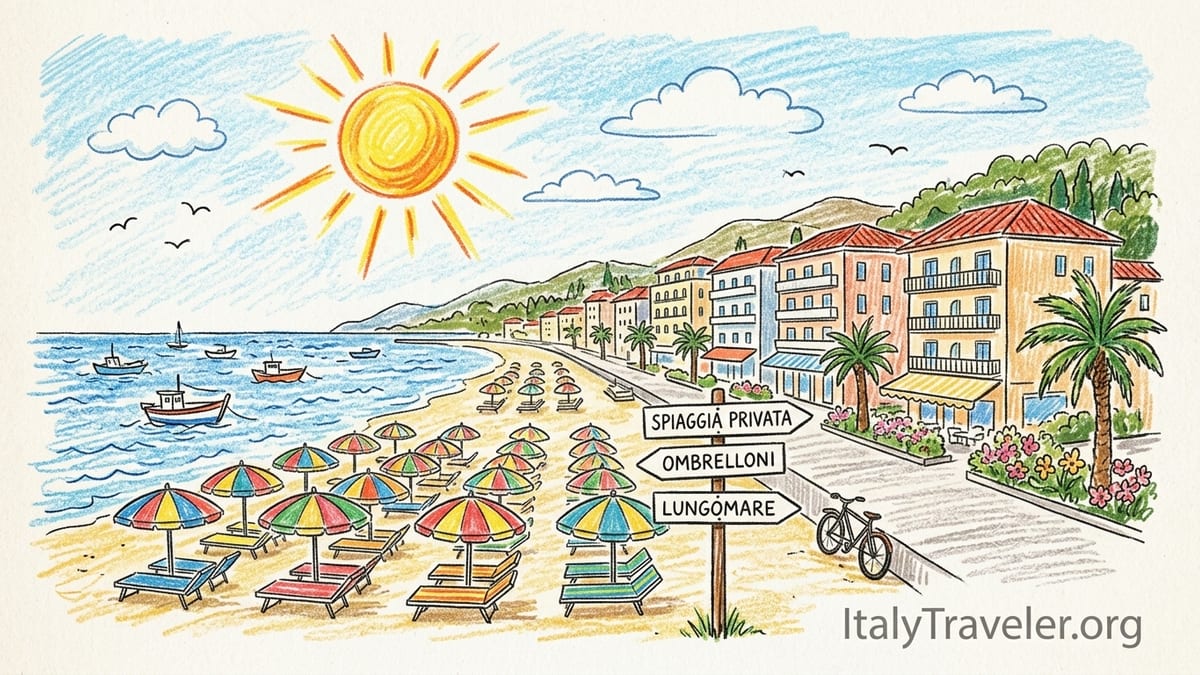
Before diving into specific regions, it helps to understand how Italian Adriatic beach stays are organized. In most destinations, the sandy waterfront is divided into stabilimenti or bagni, privately run beach clubs that manage rows of umbrellas and loungers. Many hotels either sit directly on the seafront promenade or on the second or third line back, and they partner with one of these beach clubs. Your room rate may include one umbrella and two loungers per room, or you may pay a daily supplement on arrival. In some cases, especially at resorts and villages, the hotel actually owns a fully private beach and controls access directly.
For travelers comparing hotels, this means “beachfront” can range from a property with its own dedicated strip of sand to a hotel that sits across a quiet road from the beach club it uses. A typical family hotel might promise a reserved umbrella from the third or fourth row back, while higher end resorts sell first-row or gazebo-style setups at an extra fee. When browsing, look for phrases such as “spiaggia privata” or “private beach,” “ombrellone e lettini inclusi” for included umbrellas and loungers, and check whether parking and half-board are part of a package or priced separately.
Meal plans also play a big role. Many midscale beachfront hotels along the Adriatic work on half-board, bundling buffet breakfast with a multi course dinner. This is popular with Italian families who spend most of the day on the sand, return to shower and dine on site, then stroll the evening promenade for gelato. If you prefer to explore local restaurants, prioritize “bed and breakfast” only rates in walkable areas close to town centers.
Veneto & Friuli: Classic Family Beachfronts from Jesolo to Lignano
The northernmost stretch of the Italian Adriatic, from the Lido di Jesolo near Venice to Bibione, Caorle and Lignano Sabbiadoro in Friuli, is built around long straight beaches, pinewoods and big family hotels. True beachfront properties line the seafront promenades, with an uninterrupted belt of sand on the other side. In Lido di Jesolo, a typical midrange option like a three star superior hotel on Via Bafile might include a reserved umbrella and loungers on its private sector of beach, a small pool and free private parking as part of a half-board package that can start around 50 to 70 euros per adult in shoulder season, rising in August.
Closer to the water, seafront addresses in Jesolo and Caorle often advertise “frontemare” rooms and a dedicated beach sector with guaranteed umbrella and two sunbeds per room. These hotels usually sit directly on the pedestrian promenade, which means you step out of the lobby onto an evening passeggiata lined with family restaurants, mini golf, bike rentals and gelaterie. Parking can be tight in the most central stretches, so travelers driving from elsewhere in Europe should check whether the hotel offers a reserved space in a nearby garage or an open lot behind the property.
Farther east, Bibione and Lignano Sabbiadoro stand out for very organized beach management and a strong focus on families. Many hotels belong to local “family hotel” consortia that guarantee services like cots, high chairs, kids’ menus and supervised play areas, along with integrated beach packages that combine your umbrella, loungers and mini club activities. It is common here for a midscale four star property a short walk from the sand to provide free bike rental, shaded parking and a pool, while the beach itself is fully serviced but accessed across a quiet road or through a pine grove.
Riviera Romagnola: Rimini, Riccione and the Northern Super-Resorts
The Riviera Romagnola, running from roughly Ravenna down through Cervia, Cesenatico, Bellaria Igea Marina, Rimini, Riccione and Cattolica, is the densest hotel strip on the Italian Adriatic. Rimini alone is estimated to have around 4,800 listed accommodations in high season, from simple guesthouses to iconic grand hotels. Here, the key distinction is not only whether a place is technically beachfront, but how it connects to its beach club and what is bundled into your rate. Almost all hotels stand either directly on the seafront promenade or one block back, separated from the sand by the lungomare and the line of numbered bagni.
In practice, that means a family friendly three star hotel in Rimini or Riccione might sit on the promenade with a small pool and playground, while your daily life happens at a partner beach club 100 to 200 meters away. Your booking might include a “beach package” covering an umbrella and two loungers in a mid-row sector, shared use of showers and changing cabins, and access to kids’ play areas and beach volleyball courts. If your hotel rate seems surprisingly low, check whether the beach service is extra, as high season pricing for a week of umbrella and loungers can significantly add to the total cost for a family.
High end properties on this coast often distinguish themselves with better pools, spa areas, underground parking and more spacious family rooms rather than with radically different beach access, because the strip is fairly uniform. Iconic seafront hotels in Rimini may also have their own clearly branded beach sector right in front of the property, sometimes marketed as a private or semi private beach for guests. In Riccione, many four star addresses focus on wellness and design, pairing rooftop or courtyard pools with well equipped beach clubs a short stroll away, where guests can book cabanas, front row loungers and kids’ entertainment.
Walkability is a major advantage here. Staying anywhere between northern Rimini and central Riccione generally puts you within a few minutes’ flat walk of both the beach and an evening scene of carousels, street markets, bars and restaurants. This makes the Riviera Romagnola particularly attractive to families with small children and to travelers arriving without a car. The main trade off is crowding. By July and August, both the hotels and the bagni are heavily booked, so anyone wanting a specific type of beach setup or a particular hotel pool should reserve early and pay close attention to room types and included services.
Conero & the Marche: Scenic Coves and Small-Scale Beach Hotels
South of the flat sands of Romagna, the Marche region’s Conero Riviera offers a dramatic change of scenery. Around Mount Conero, near Sirolo, Numana and Portonovo, white cliffs plunge into clear water, and many beaches are pebbly coves reached by steep paths or shuttle boats. This geography limits the number of huge resorts and favors smaller hotels and guesthouses, some on the cliff edge and others right on lower level waterfront promenades. A handful of properties are set effectively on the beach itself, including long established family run hotels in Numana bassa and Sirolo that sit just steps from the water with a row of umbrellas reserved for guests.
In practice, Conero accommodations divide between three categories. First, scenic hilltop or cliff-edge hotels in Sirolo and Numana alta that offer panoramic sea views and shuttle access or a walk down to the beach clubs below. Second, compact beachfront addresses in Numana and Marcelli where you cross a small road or promenade to reach your reserved umbrella on a mixed sand and pebble strand. Third, countryside resorts and agriturismi a short drive inland, which pair pools and rural calm with easy day trips to the coast. Many of the beachfront hotels include at least one umbrella and two loungers in front of the property, but you should always confirm whether this is built into your room rate or charged per day.
Beyond Conero, the Marche coast becomes flatter and more similar to Romagna, with resort towns like Senigallia, Fano and San Benedetto del Tronto offering broad sand, family friendly promenades and midrise seafront hotels. In these destinations, you can expect the familiar Adriatic pattern of a lungomare lined with three and four star properties, each tied to a section of organized beach. Pools are common but not universal, so if you are traveling outside peak summer when the sea can be cooler, it is worth prioritizing hotels with heated or at least sheltered pools for children.
Abruzzo’s Coast: Relaxed Seaside Towns with Family Facilities
Abruzzo’s Adriatic shoreline, especially around Giulianova, Alba Adriatica, Tortoreto, Roseto degli Abruzzi and Pescara, combines wide sandy or fine pebble beaches with a slightly less hectic pace than the Romagna and northern Veneto giants. Many towns here are popular with Italian families from inland cities, and hotel stock runs from simple seafront pensions to sizeable resort style properties with pools, playgrounds and entertainment teams. Beachfront hotels generally sit across a promenade from the sand, with their own marked sector of umbrellas and loungers, often included in the half-board or full-board rate.
The region has worked in recent years to improve cycling infrastructure, and one practical difference travelers notice is the long, flat bike paths that hug the coast. Midscale hotels in Alba Adriatica or Tortoreto may offer free bike rental along with parking, breakfast and a reserved place on the beach. For families, this makes it easy to move from hotel to playground to gelato without using a car. As in other parts of the Adriatic, half-board is common, and buffets tend to be generous, with a strong emphasis on seafood at dinner. If you prefer to dine out frequently, look for bed and breakfast only options closer to town centers rather than isolated resort compounds.
Because Abruzzo’s coastal towns are a little less dominated by international tourism than certain Riviera Romagnola areas, prices for midrange hotels with pool and beach service can be comparatively favorable, especially in June and early September. However, you should still pay close attention to how far your hotel is from the main promenade. Second or third row properties can be quieter at night but involve a slightly longer walk to the sand, which matters if you are carrying beach gear for several children.
Gargano & Northern Puglia: Private Bays and Resort Compounds
Farther south, the Gargano peninsula and the northern Adriatic side of Puglia offer a mix of dramatic headlands, pine forests and sweeping sandy bays. Around Peschici and Vieste, several resort style properties have truly private or semi private beaches directly connected to the hotel grounds. In Peschici, for example, resort complexes tucked into coves or valleys may advertise a private bay limited to hotel guests, with a 300 meter beach lined with umbrellas and loungers, beach bars and water sports, all accessible on foot from the rooms without crossing public roads.
In Vieste and along the road that connects it to Peschici, some hotels sit just behind the main coastal road and own or manage a private strip of sand directly in front. Guests often simply cross the road to reach an equipped lido, with umbrellas spaced to provide privacy, children’s play zones and shallow entry into the warm Adriatic. In these cases, your beach package can be a major part of the value, especially when it includes one umbrella and two loungers per room along with daytime animation for kids. Parking is often in internal lots shaded by pines or in designated spaces just behind the hotel.
These Gargano resorts typically operate on a full-board or at least half-board basis, with buffet breakfast and lunch plus evening dinners focused on Apulian dishes, fresh fish and local olive oil. If you enjoy exploring independent restaurants, check the resort’s distance to the nearest town center, as some complexes sit several kilometers from Peschici or Vieste and are designed for guests who mostly remain on site. For more independent stays, there are also seafront residences and camping villages with direct beach access, where each unit includes a space on the private lido but cooking and dining are self managed.
How to Compare Beachfront, Private Beach and Resort Stays
Across all these regions, comparing hotels comes down to understanding a few core variables. First, the exact relationship between the building and the shoreline. A seafront hotel right on the lungomare in Jesolo, Rimini or Alba Adriatica offers instant access to the promenade and a short walk to its partnered beach club, while a “beachfront” resort in Gargano might be set inside a bay with its own sand directly in front of the pool terrace. Both count as beachfront in marketing language, but the feel is very different. If stepping from your breakfast terrace directly onto the sand is important, prioritize smaller bays and resort properties in Gargano or certain pockets of the Marche and Conero where hotels are the only structures on the beach.
Second, clarify what “private beach” really means. On much of the Adriatic, private usually refers to a concession that the hotel either owns or controls in partnership with a lido, rather than a completely secluded cove. Italians are used to paying for umbrella and lounger rental, but many hotels now integrate this into their rates. When comparing offers, check whether the beach service covers your entire stay, whether it includes front-row seating or mid-row only, and what facilities the associated beach club actually has. Small differences, like an on-site kids’ pool or fenced playground at the lido, can transform how family friendly a hotel feels.
Finally, look at the total holiday picture. A basic seafront three star in Riccione with included breakfast, parking and a solid partner beach club may give you better overall value than a more luxurious inland hotel that requires a daily drive and separate beach payments. On the other hand, travelers who prioritize quiet evenings and spacious rooms might prefer a countryside resort in the hills behind Conero or Abruzzo, using the pool as their primary water feature and treating beach days as occasional excursions.
The Takeaway
Choosing the best hotel on Italy’s Adriatic coast is less about finding a single “number one” property and more about matching each region’s character to your travel style. Veneto and Friuli specialize in ultra-organized, family friendly sands with efficient beachfront hotels and long promenades. The Riviera Romagnola from Rimini to Riccione delivers maximum walkability, nightlife and choice, trading on dense hotel strips partnered with lively beach clubs. Conero and the Marche bring more varied topography and a mix of cliffside views, pebble coves and classic seafront stays, while Abruzzo offers a slightly calmer version of the traditional Adriatic beach town.
Farther south, Gargano and northern Puglia introduce resort compounds with more truly private-feeling bays and integrated beach services, ideal if you want to park the car once and forget about logistics. Across all of these destinations, the same comparison points apply: how close you are to the actual sand, whether umbrellas and loungers are included, what the pool and parking situation looks like, how family rooms are configured, and whether you will mostly dine on site or out in town. With those questions in mind, travelers can use regional differences to their advantage and find a stretch of Italian Adriatic that feels tailor made for their version of a perfect beach holiday.
FAQ
Q1. What is the difference between beachfront and seafront hotels on the Italian Adriatic?
Many Italian hotels call themselves beachfront if they face the sea, even if a promenade or small road separates the building from the sand. Truly seafront or on-the-beach properties usually open directly onto a lido or private bay, while most town hotels sit on the lungomare across from their partnered beach club.
Q2. Are umbrellas and loungers usually included in Adriatic hotel rates?
In major resorts like Jesolo, Rimini, Riccione and Bibione, midrange hotels often include one umbrella and two loungers per room in their own beach sector or at a partner lido, at least in mid and high season. Budget hotels may charge a daily supplement, while higher end resorts in Gargano and Puglia are more likely to bundle beach service into the overall package price.
Q3. How important is a pool when booking a hotel on the Italian Adriatic coast?
A pool is not essential if you travel in peak summer and plan to spend all day on the sand, but it can be very useful shoulder season or for families who like a quieter place for children to play. In Veneto, Romagna and Abruzzo, many three and four star hotels have at least a small outdoor pool, while more compact cliffside areas around Conero may offer sea access instead.
Q4. Do I need a car to enjoy the main Adriatic beach resorts?
In large, flat resorts such as Rimini, Riccione, Jesolo and Alba Adriatica, you can comfortably arrive by train or bus and walk or cycle everywhere. A car becomes more useful in areas with scattered bays and hilltop villages, like the Conero Riviera, parts of Abruzzo and especially Gargano, where many resorts sit a few kilometers from the nearest town center.
Q5. Are Adriatic beach hotels good for families with small children?
Yes, the Italian Adriatic is one of Europe’s most family oriented coasts. Many hotels offer family rooms or interconnecting units, kids’ menus, cots and high chairs, while partner beach clubs provide shallow water, lifeguards, playgrounds and mini clubs. Towns like Jesolo, Bibione, Rimini, Riccione and Alba Adriatica are particularly geared to families.
Q6. How does half-board work at Italian seaside hotels?
Half-board typically includes breakfast and dinner. Breakfast is usually a buffet with pastries, fruit and some savory items, while dinner may be a served multi course meal with a choice of dishes. Drinks are sometimes extra. This arrangement suits travelers who spend the day on the beach and prefer the convenience of eating evening meals on site.
Q7. When is the best time to book Adriatic coastal hotels for summer?
For stays in July and August, especially in high demand areas like Rimini, Riccione, Jesolo, Bibione and Gargano resorts, it is wise to book several months in advance. If you travel in June or early September, you can often find more flexible availability and better rates, particularly in Abruzzo and the Marche.
Q8. How walkable are the main Adriatic seaside towns in the evening?
Most classic Adriatic resorts have lively evening promenades along the lungomare or main pedestrian streets, with restaurants, bars, fairground rides and shops. Choosing a hotel on or very close to these promenades in Rimini, Riccione, Jesolo, Senigallia or Alba Adriatica means you can walk out after dinner without needing a car or public transport.
Q9. Are there quieter areas on the Adriatic for couples?
Couples looking for quieter stays often prefer the Conero Riviera around Sirolo and Numana, smaller Marche towns outside peak weeks, or certain stretches of Abruzzo’s coast away from big amusement areas. Select Gargano resorts set in private bays also suit travelers who want more seclusion and are happy with a self contained environment.
Q10. What should I check before booking a so-called private beach hotel?
Confirm whether the beach is truly restricted to hotel guests or simply a concession managed by the hotel within a larger resort strip. Ask how far the walk is from your room to the sand, whether umbrellas and loungers are included for the whole stay, what row you are likely to be in, and whether there are extra charges for towels, parking or use of pools and water sports.