


Choosing the best time to visit Italy is not just about the weather. It is a three way tradeoff between temperatures, crowd levels and how much you pay for flights, hotels and everyday travel costs. A week in Rome and the Amalfi Coast in late May can feel completely different from the same itinerary in August or November. This guide walks through the Italian year month by month, comparing spring, summer, autumn and winter across key regions such as Rome, Venice, Tuscany, the Amalfi Coast, Sicily, the beaches and the mountains so you can match your dates to the trip you actually want.
How Italy’s Seasons Really Feel: A Quick Overview
Italy has four classic seasons, but the country stretches from the Alps to almost North Africa, so “spring” in the Dolomites is not the same as “spring” in Sicily. As a rule of thumb, the most comfortable months for city sightseeing are April to early June and mid September to October, when daytime highs tend to sit around the high teens to mid 20s Celsius and humidity is moderate. Travel editors and itinerary planners widely describe these shoulder seasons as the sweet spot for balancing weather, crowds and prices.
Summer, from late June through August, brings long, bright days and reliably warm seas. It is the prime time for Italian beach resorts from the Amalfi Coast to Sardinia and Sicily, but also the most crowded and expensive period of the year, especially around major holidays like Ferragosto on 15 August. Winter is quieter and cheaper away from Christmas and New Year, with cool, damp days in cities such as Rome and Florence and snow driven peak season prices in the Alps and Dolomites.
Prices track these patterns closely. On the Amalfi Coast, for example, a mid range three star room in Positano that can sell for more than 300 euros a night in July or August typically drops to close to a third of that in April or late October, if the hotel is open. In cities, a standard double in a central three star in Rome or Florence may run 120 to 200 euros a night in April or November, climbing well over 250 euros for the same room in peak summer or during major events.
Crowds are now heavy through much of spring and autumn in icons such as Rome, Florence and Venice, but there are clear differences. Day trippers fill Venice’s alleys on sunny weekends and public holidays, while midweek in November you can still walk onto some museums without advance reservations. Understanding how these patterns change month by month is the key to planning.
Month by Month: Weather, Crowds and Prices
January in Italy is low season almost everywhere except ski areas and New Year’s week. Expect short days, with daytime highs often around 8 to 12 degrees in Rome and Florence and closer to 4 to 7 degrees in Venice. Snow is common in the Alps and Dolomites, where resorts like Cortina d’Ampezzo and Madonna di Campiglio are in full swing with high accommodation rates. City hotel prices are comparatively soft, and you can often find double rooms in central Rome under 130 euros per night, even at well reviewed mid range properties.
February remains cool and relatively quiet outside the mountains, although Venice’s Carnival typically brings a sharp spike in both hotel rates and occupancy for about ten days. In Rome, Naples and Palermo you will find locals in heavy coats, but many outdoor sites are open as usual and queues at the Colosseum or the Uffizi are significantly lighter than in spring. Sicily and the southern mainland can see pleasant sunny days, but beach clubs and many island hotels are still closed.
March feels like a transitional month. In Rome and Tuscany you can get crisp mornings and afternoons in the mid teens Celsius, with the first terrace tables reappearing in piazzas. On the Amalfi Coast, local tourism offices note that most hotels start reopening from late March, gearing up for Easter and the new season. Venice can still be chilly and damp with fog, but crowd levels are manageable, which makes March attractive for travelers who prioritize museums over beaches.
April is when Italy really wakes up. Shoulder season begins in earnest in Rome, Florence, Venice, Tuscany and the Amalfi Coast. Mediterranean destinations report that almost all hotels and restaurants are open by early April, especially once Easter has passed. You can expect mild temperatures, with many central and southern areas reaching the high teens to low 20s Celsius in the afternoon. However, Easter week, when it falls in April, sends prices and crowds soaring in Rome and the Vatican, so travelers looking for value tend to avoid that specific week.
Late Spring and Early Summer: May and June Across Italy
May is widely regarded by Italian travel specialists as one of the best all round months to visit. In Rome and Florence, daytime temperatures typically sit around 20 to 25 degrees, terraces are lively, and days are long enough for lingering evening strolls. In Venice, you are more likely to have blue skies than in early spring, yet peak summer humidity has not arrived. In Tuscany, vineyards around Montepulciano and Chianti are lush green, and agriturismi report strong but not overwhelming bookings, with double rooms at many farmhouse stays in the 120 to 200 euro range per night including breakfast.
Coastal regions also shine in May. On the Amalfi Coast, local guides and hotel associations often single out May as the month that combines warm, sunny days with sea temperatures just starting to feel swimmable. Crowds are noticeable but not yet wall to wall, and restaurant prices are still on their standard high season menus rather than peak summer premiums. In Sicily, particularly around Taormina and the south eastern baroque towns, May offers pleasantly warm days and a chance of early beach time without the intense heat common in July.
June is a month of two personalities. The first half of June can feel like an extension of May: long days, generally comfortable temperatures and still manageable crowds in cities. By mid June, Italian school holidays begin and beach and mountain resorts fill up. In Venice, cruise ship schedules and day trippers make weekends especially congested, and popular sights such as St Mark’s Basilica can see queues starting early in the morning. Along the Amalfi Coast and in popular Tuscan hill towns, availability tightens and prices rise, though they may still be slightly below the July and August peak.
From a beach perspective, June is attractive because sea temperatures from Liguria to Puglia have warmed up enough for reliable swimming, beach clubs are fully open, and there is still some room to move on the sand. In Sicily, June offers properly hot beach weather around Cefalù and the Aeolian Islands but is still tolerable for day trips to Palermo or hikes on Mount Etna if you start early in the morning.
High Summer: July and August in Cities, Coasts and Mountains
July and August are true high summer in Italy. In much of the center and south, average daytime highs regularly climb above 30 degrees, and heat waves can push temperatures well past that in cities such as Rome, Florence, Naples and inland Sicily. Sightseeing in the middle of the day often means queuing in full sun and seeking out air conditioned churches and museums for relief. Early starts and late evening walks become essential if you are sensitive to heat.
Crowds in July are intense in all major destinations. Venice continues to grapple with over tourism, with measures such as entry fees for day trippers on peak days in place but not dramatically reducing visitor numbers. Trains and ferries to coastal areas like the Cinque Terre and the Amalfi Coast run at or near capacity on many days, and popular boat excursions around Capri or the Amalfi villages can sell out well ahead of time. In practical terms, this means booking well in advance and being prepared for busy restaurants, packed buses and little last minute flexibility.
Prices reflect this demand. Along the Amalfi Coast, benchmark comparisons from Italian travel planners show that a standard three star room in Positano which might be around 100 to 150 euros in April or late October can easily rise above 300 euros and in some cases much higher in July and August. Similar patterns appear in other beach destinations like Sardinia’s Costa Smeralda, where many four star hotels charge several hundred euros per night during peak weeks. Even inland, a basic double in Florence or Venice is typically significantly more expensive in these months than in November or February.
August adds another layer because it is also the traditional vacation month for Italians. Around the national holiday of Ferragosto on 15 August, many small family run shops and restaurants in the cities close for a week or more, while seaside and mountain resorts become even busier. For example, Rome’s historic center can feel noticeably quieter at midday apart from tourists, yet the beaches near Naples, the Amalfi Coast and Sicilian seaside towns see every available sun lounger in use. If you are planning a beach focused trip and can only travel in summer, August will deliver hot weather and warm seas but at the price of premium rates and dense crowds.
Autumn: From September Sweet Spot to November Quiet
September is often described by Italian tourism professionals as the second golden month after May. In the first half of September, sea temperatures on the Amalfi Coast, in Sicily and along much of the Tyrrhenian and Adriatic coasts remain comfortably warm from the summer, while the sun is slightly less fierce. In central Italy, vineyard regions around Siena, Montalcino and Chianti move into harvest season, with grape picking, village festivals and cooler mornings that are ideal for countryside walks. Cities like Rome and Florence remain busy but lose a little of the high summer intensity.
Prices in early September usually remain close to mid summer levels in beach destinations such as the Amalfi Coast and some parts of Sicily, with many hotels holding high season rates until mid month. By the last third of September, especially after schools return across Europe, you may start to see more availability and occasional rate drops. In urban destinations, hotel nights might be 10 to 20 percent cheaper than in August, though still above low season. Visitors focused on beaches in southern regions find that September offers a good compromise between the warmth of summer and the first signs of quieter travel.
October brings more pronounced regional differences. In Rome, Florence and Tuscany, early October can still feel like late summer, with outdoor dining and comfortable daytime temperatures, while later in the month rain becomes more frequent and evenings cool sharply. Tuscany’s countryside is at its most atmospheric, with autumn colors and wine harvest events. In Venice, mist and cooler air return, but crowd levels tail off compared with September, especially midweek.
On the coasts, October is more variable. The Amalfi Coast stays pleasant in the first half of the month, though some beach clubs begin to wind down operations. In many villages, seasonal hotels and restaurants close between late October and early November, leaving a smaller year round core. Sicily and the southern mainland often hold onto beach friendly weather a little longer, especially in places like the southern Sicilian coast where locals may still swim well into October. However, travelers should not expect the full range of summer services late in the season, and evenings are noticeably cooler.
Winter: City Culture, Ski Resorts and Seasonal Closures
By November, Italy has shifted firmly into low season across most of the country. In Rome and Florence, expect cooler, wetter weather with daytime highs often in the low to mid teens, short daylight hours and a more local feel. Museums and major monuments stay open, and for travelers who prefer skipping crowds to chasing sunshine this can be an excellent time for intensive sightseeing. You may find last minute hotel deals, such as central three star rooms around 100 euros per night, particularly midweek.
Coastal destinations tell a different story. On the Amalfi Coast, a large proportion of tourist facing hotels and restaurants close from early November through March, with only a few year round places operating in towns such as Amalfi itself. Buses and ferries switch to off season schedules, and beach clubs pack away their loungers. You can still visit, walk the coastal paths and enjoy the scenery, but it becomes a quiet, local experience rather than the lively seaside scene many travelers imagine. Sicily remains more active, with cities like Palermo and Catania hosting local cultural events, but even here some island resorts operate on reduced hours or close altogether.
December brings Christmas markets, religious celebrations and festive lights to cities and many towns. In Rome, St Peter’s Square becomes a focal point for visitors, while in northern cities like Milan and Verona, Christmas markets add atmosphere despite the cold. From late December through early January, hotel and flight prices increase sharply around the holidays, particularly in cities and ski areas. In the Alps and Dolomites, December to March is the prime ski season, with resort towns charging high season rates and advance bookings required for popular dates.
January and February cycle back to the pattern of quiet cities and lively mountains. Apart from a temporary spike during events such as Venice Carnival, winter remains a time for good value in most urban destinations. Restaurants in Rome or Florence may offer lunch menus starting from around 15 euros per person, and attractions that are booked out months ahead in May can be visited with relatively little lead time. The tradeoff is short, sometimes damp days and limited coastal options, which makes winter better suited to travelers focused on museums, food, and slower paced neighborhood exploration.
Regional Nuances: Rome, Venice, Tuscany, Amalfi Coast, Sicily, Beaches and Mountains
Rome is one of Italy’s most visited cities year round, but its character changes with the seasons. April to early June and late September to October bring an appealing combination of warm weather, café terraces and busy but bearable crowds around the Colosseum, the Forum and the Vatican Museums. July and August can be stiflingly hot, with temperatures regularly at or above 30 degrees and queues formed under direct sun. During mid August, some smaller local businesses close, although major sights and most central restaurants stay open to serve tourists.
Venice is even more sensitive to crowd patterns because the historic center is compact. Spring and autumn weekends can feel as busy as summer when cruise arrivals and day trippers peak, while winter weekdays bring a more hushed, local atmosphere, with fog curling over the canals. Travelers who want both reasonable weather and a bit of breathing room often target late March, April, early May or October and plan to explore the city early in the morning and in the evening, when organized tour groups are thinner on the ground.
In Tuscany, the main decision is between countryside and cities. Florence is busy from spring through autumn, but the surrounding hill towns and rural areas offer more space. Late April through June and September through October are prized months for agriturismo stays, with comfortable temperatures for driving between medieval villages, visiting wineries near Montalcino or Montepulciano and walking in the countryside. July and August can be very hot inland, and some smaller accommodations close or reduce services in the coldest part of winter, but there is no wholesale closure as on some coasts.
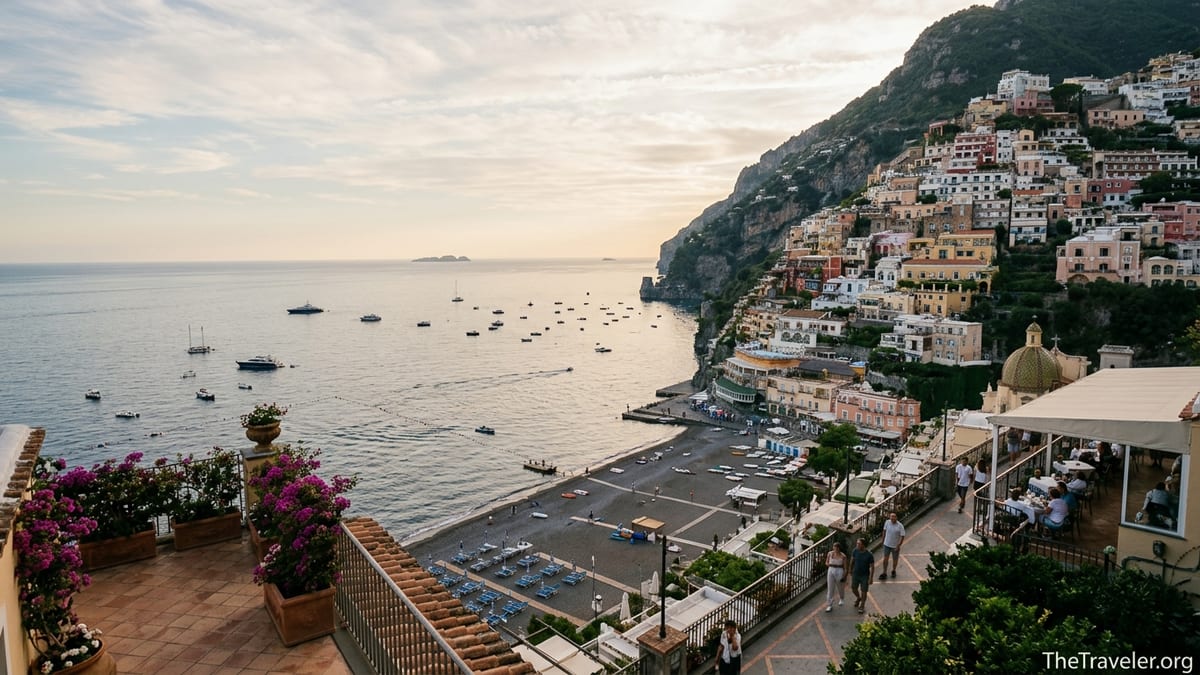
The Amalfi Coast has one of the most pronounced seasonal swings in Italy. Industry guides point to late March through October as the operating season for many hotels, with May, June and September among the most recommended months for first time visitors. July and August bring maximum crowds and prices but also the liveliest beach scene and warmest seas. From November through early spring, most hotels and many restaurants in villages like Positano and Praiano close, buses run less frequently and the area feels more like a string of quiet local towns. Travelers who come in this period are usually seeking solitude and sea views rather than a full resort experience.
Sicily’s longer, warmer season creates a different set of options. From late April through October, you can combine city visits to Palermo, Catania or Syracuse with beach days on the north or south coasts. Peak heat in July and August can make midday sightseeing uncomfortable, especially inland, but coastal towns like Cefalù and San Vito Lo Capo thrive on the summer buzz. In September and often into October, sea temperatures remain inviting and many travelers consider these months the ideal compromise between beach weather and more moderate heat.
For mountain and lake regions such as the Dolomites, the Italian Alps, Lake Como and Lake Garda, two main seasons stand out. Winter brings ski tourism from roughly December through March, with higher prices and busy slopes, while late June through September is prime hiking and cycling season, with open mountain huts and clear trails. May and October are shoulder or in between seasons: quieter, sometimes with patchy weather and a few lifts or facilities closed, but attractive for travelers happy with cooler temperatures and fewer people.
Choosing the Right Season for Your Trip Style
If your main goal is classic city sightseeing in places like Rome, Florence, Venice and Milan, the months that usually align best are April, May, late September and October. In these windows, you can walk comfortably for hours, sit outdoors at cafés and see major sights without the extreme queues of high summer. Prices for mid range hotels are generally high but not at their absolute peak, and availability is better than in July and August, although still tight around holidays and major events.
Travelers focused on beaches and islands, including the Amalfi Coast, Cinque Terre, Sardinia and Sicily, face a different calculus. For these trips, late May through September is the period with the most reliable beach weather and fully open beach clubs. June and September often emerge as sweet spots, giving warm seas and long days but slightly softer crowds and prices than July and August. In practice, that might mean paying 200 to 250 euros per night for a double room in a mid range Amalfi hotel in June rather than a significantly higher figure for the same room in peak August.
For wine country, countryside stays and food focused travel, many visitors favor May, June, September and October. These months align with key agricultural moments such as spring flowering and autumn harvest in Tuscany, Piedmont and Umbria. Walking through vineyard rows near Siena or Alba is more pleasant when temperatures are in the low 20s than during high summer. Rates at agriturismi and rural boutique hotels are often a little lower in early spring and late autumn than in the core summer weeks, and there is more space at popular wineries and restaurants.
Budget conscious travelers or those who enjoy a more local atmosphere often choose the late autumn and winter months outside the Christmas and New Year peak. November, January and February in particular can offer significantly lower airfares and hotel prices in major cities, and restaurant menus do not change drastically by season. The compromise is the weather: you may encounter grey, rainy days and cool temperatures, so building in indoor activities such as museum visits, cooking classes and wine tastings becomes important.
The Takeaway
There is no single best time to visit Italy. Instead, there is a best time for the type of trip you want to have. Shoulder seasons in spring and autumn consistently provide the most balanced combination of pleasant weather, manageable crowds and reasonable prices for city and countryside itineraries. Summer delivers the beach days and late light that many travelers dream of, but you will share that experience with many others and pay for the privilege, especially in icons like the Amalfi Coast and the Cinque Terre.
Winter, outside of holiday peaks and ski resorts, remains Italy’s best kept secret for value and atmosphere in its cities. A February afternoon spent in a half full museum in Florence or at a quiet trattoria in Rome can be just as memorable as a July evening in a crowded piazza, especially for travelers who are less focused on sunshine. Ultimately, the key is to be honest about your priorities, whether they are warmth, swimming, festivals, photography, budget or simply elbow room.
When planning, map those priorities onto Italy’s regional and seasonal patterns. If you dream of driving through Tuscan vineyards, make sure harvest has not yet finished and that days are still long enough for scenic detours. If your heart is set on sea views from Positano, check that your preferred hotels and restaurants are actually open in your chosen month. With a little homework, Italy can reward you in every season, just in very different ways.
FAQ
Q1. What is the single best month to visit Italy overall?
Many experienced travelers and planners point to May or late September as the best overall months, thanks to comfortable temperatures, vibrant cities and good access to both countryside and coasts without the most extreme summer crowds and prices.
Q2. When is the best time to visit Rome for sightseeing?
April, May, late September and October are ideal for Rome, with long enough days for exploring, mild weather and queues at major sights that are busy but more manageable than in July and August.
Q3. When should I visit Venice to avoid the worst crowds?
To reduce crowds while keeping decent weather, aim for late March, April, early May or October, and consider traveling midweek and exploring early in the morning and in the evening when day trippers are fewer.
Q4. What is the best time for beaches and the Amalfi Coast?
For a balance of warm sea, open beach clubs and tolerable crowds, June and September stand out, while July and August offer the hottest weather and liveliest atmosphere at the highest prices.
Q5. Are there months when the Amalfi Coast largely shuts down?
Yes, many hotels and seasonal restaurants close from early November through March, leaving only a smaller number of year round businesses open in larger towns such as Amalfi.
Q6. When is the best season to visit Tuscany and the countryside?
Late April through June and September through October are favored for Tuscany, offering comfortable temperatures, green hillsides or harvest colors and good conditions for driving, walking and winery visits.
Q7. What is the best time to visit Sicily?
Late April to June and September to October provide warm, often beach friendly weather while keeping inland sightseeing in places like Palermo and the baroque towns comfortable.
Q8. Is winter a good time to visit Italy?
Winter can be an excellent time for budget friendly, culture focused trips to cities such as Rome, Florence and Milan, provided you are happy with cool, sometimes wet weather and early nightfall.
Q9. When is ski season in the Italian Alps and Dolomites?
Most ski resorts in the Alps and Dolomites operate from December into March, with Christmas, New Year and February school holiday periods typically the busiest and most expensive weeks.
Q10. How far in advance should I book for peak season in Italy?
For July and August stays in high demand areas such as the Amalfi Coast, the Cinque Terre or popular Tuscan hill towns, booking accommodation at least six months ahead is wise, while shoulder season city trips often allow more flexibility if you are not tied to specific hotels.